


 Tiếng Việt
 English
Dental implant placement is one of the most popular tooth restoration methods available today. However, for the implant fixture to osseointegrate effectively with the jawbone and achieve long-term clinical success, post-operative dietary management during the initial healing period requires special attention. So, what should you eat and avoid after dental implant placement to support a rapid recovery?
How Long After Dental Implant Surgery Can You Resume a Normal Diet?
The dental implant treatment protocol consists of 2 main clinical phases: the surgical placement of the implant fixture into the jawbone and the subsequent prosthetic crown restoration over the implant. Throughout post-operative recovery, dietary intake must be adjusted according to each specific healing stage.
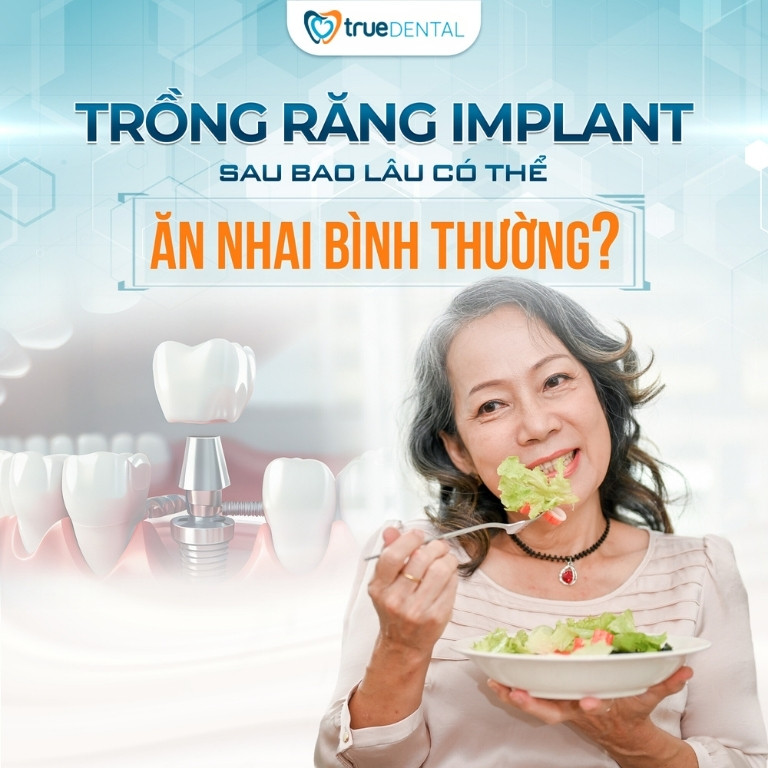
Following surgical placement of the implant fixture into the jawbone, the peri-implant soft tissues require time for primary healing. Typically, over a period of 3 to 6 months post-surgery, the implant fixture undergoes progressive osseointegration into the jawbone, gaining rigid stability. Throughout this stage, strict dietary precautions are necessary to avoid mechanical disruption to the surgical site; patients should strictly consume soft, easily swallowable foods and refrain from chewing directly over the implant area.
Once complete osseointegration is achieved and the definitive prosthetic crown has been permanently attached to the implant, patients may resume a completely normal diet without restrictions.
READ MORE: PROPER POST-IMPLANT DENTAL CARE PROTOCOLS
Post-Implant Dietary Guide: What to Eat and What to Avoid
A common question among patients is: what should you eat and avoid after dental implant placement to promote rapid wound healing and ensure long-term implant durability? Alongside clinician expertise and fixture quality, post-operative nutrition plays a vital role in recovery. Understanding what to eat and avoid after dental implant surgery accelerates osseointegration, lowers the risk of post-operative complications, and ensures predictable long-term outcomes.
At True Dental, our specialists provide comprehensive nutritional guidelines tailored to each recovery phase. Read on to learn all about what to eat and avoid after dental implant placement.
Why Is Post-Implant Dietary Compliance Essential?
Supports Tissue Regeneration and Wound Healing
Following fixture placement, the body requires systemic energy and micro-nutrients to repair soft tissues. Following clear rules on what to eat and avoid after dental implant placement promotes faster surgical wound healing.
Enhances Osseointegration Rates
Jawbone remodeling requires essential minerals and vitamins to form structural bonds with the titanium fixture. Balanced nutrition accelerates bone integration. Consequently, adhering to recommendations on what to eat and avoid after dental implant surgery directly impacts clinical success.
Prevents Post-Surgical Complications
Consuming unsuitable foods can trigger peri-implant inflammation, pain, or even fixture rejection. Therefore, specialists emphasize that patients strictly follow guidelines regarding what to eat and avoid after dental implant placement.
Recommended Foods After Dental Implant Surgery
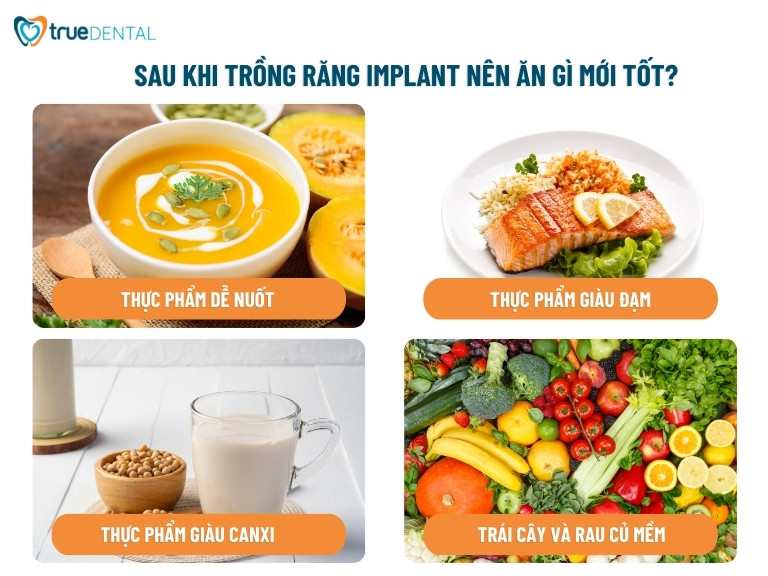
What are the optimal foods to consume after dental implant placement? This is a primary inquiry during patient consultations at True Dental. Clinicians at True Dental recommend a scientifically balanced diet to accelerate tissue repair and minimize post-operative infection risks after implant surgery. Key recommended foods include:
- Easily Swallowable Foods: Porridge, smooth soups, soft cheese, yogurt, and liquid cereals. These nutrient-dense, easily digestible foods strengthen host immunity without requiring heavy masticatory forces. Prioritizing soft foods minimizes mechanical trauma to the surgical wound.
- Protein-Rich Foods: Protein is vital for tissue synthesis and wound repair. Choose soft meats and fish, processed via puréeing or steaming for easy consumption. Soft tofu is another excellent plant-based protein source that requires minimal chewing.
- Calcium-Rich Foods: Calcium is essential for bone remodeling and osseointegration. Dairy milk serves as an ideal calcium source. Almonds, chia seeds, and walnuts provide beneficial healthy fats and calcium, but should be blended into liquids to prevent direct mastication.
- Soft Fruits and Vegetables: Select soft fruits loaded with vitamins and essential minerals, consumed whole or blended. Vegetables such as spinach, celery, and carrots provide dietary fiber to support healing; they should be thoroughly steamed until soft or consumed as fresh juices.
Foods to Avoid After Dental Implant Surgery
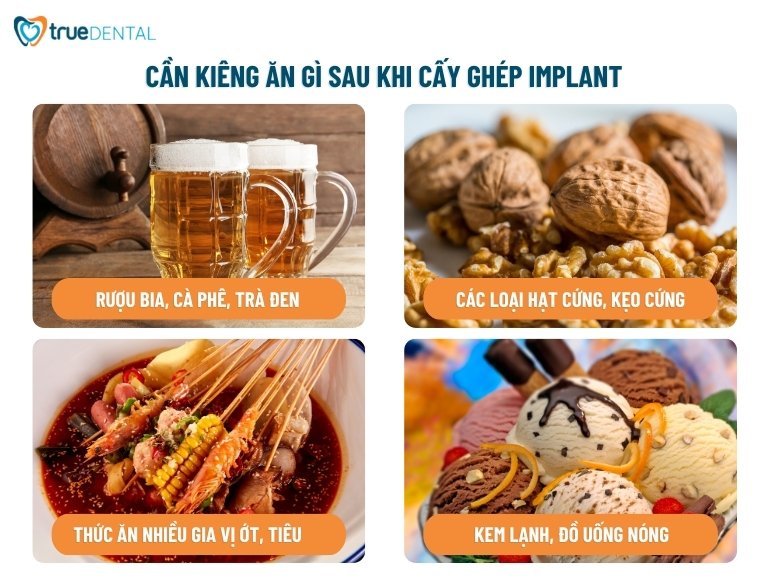
What foods should be avoided following dental implant surgery? To ensure an uneventful, rapid recovery, patients must refrain from consuming foods that cause thermal/chemical irritation or exert excessive occlusal forces on the implant fixture, including:
- Alcoholic beverages, coffee, and black tea. Alcohol and caffeine impair immune response and cause systemic dehydration, hindering normal wound healing.
- Hard nuts, tough candies, and crusty items. These foods require heavy bite forces, risking mechanical injury to the surgical site.
- Highly seasoned or spicy foods containing chili, pepper, or acidic ingredients. Spicy foods irritate surgical wounds, cause localized discomfort, and delay tissue repair.
- Ice cream, ice-cold beverages, and scalding hot foods. Extreme temperatures induce thermal shock at the surgical site, escalating discomfort and inflammatory swelling.
Post-Implant Dietary Milestones by Healing Stage
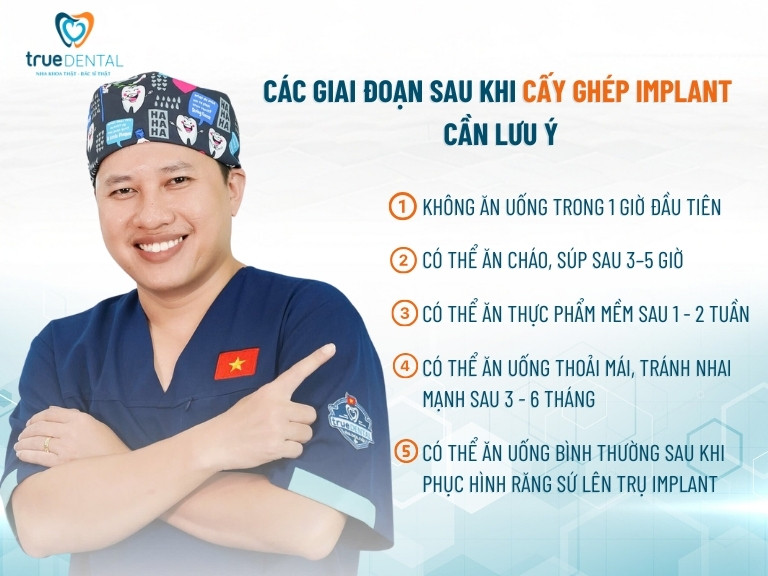
As noted previously, the post-operative period requires strict dietary management to optimize fixture osseointegration and promote rapid tissue recovery. Key timeline milestones include:
- During the first hour post-surgery, refrain from all food and liquid intake to allow undisturbed blood clot formation at the surgical site.
- Between 3 to 5 hours post-surgery, consume soft, cool, liquid foods such as smooth porridge, cold soup, or yogurt. Avoid chewing near the implant site to prevent fixture disturbance.
- During the first 1 to 2 weeks post-surgery, as initial wound closure occurs, incorporate soft items like mashed potatoes, tender fish, and well-cooked vegetables. Avoid hard or chewy foods to minimize micro-motion on the implant fixture.
- Between 3 to 6 months post-surgery, active osseointegration is underway within the jawbone. Patients can expand their diet, though soft foods should still be prioritized to avoid excessive occlusal pressure over the healing site.
- Once complete osseointegration is confirmed and the final porcelain crown is permanently attached, normal dietary habits can be fully resumed without restrictions.
This article outlines essential post-implant dietary guidelines to promote smooth healing. If you are seeking safe, comfortable, and minimally invasive dental implant treatment, contact True Dental today via our hotline 090 6636 456.
Stage-by-Stage Dietary Timeline After Implant Placement
First 24 Hours
What to eat: Smooth porridge, milk, fresh fruit juices.
What to avoid: Vigorous mouth rinsing, hot foods/drinks, hard items.
First Week
What to eat: Soft dishes like soup, soft cheese, eggs, steamed fish.
What to avoid: Spicy foods, hard nuts, forceful chewing.
After 1 Month
What to eat: Gradually return to a normal diet, continuing to favor easy-to-chew foods.
What to avoid: Limit alcohol and tobacco use to protect long-term implant stability.
Following stage-specific recommendations on what to eat and avoid after dental implant placement maximizes surgical success and shortens clinical recovery timelines in dentistry.
Financial Outlay and Its Relationship to Post-Implant Nutrition
Financial investment is a frequent consideration for implant patients. However, regardless of the chosen implant system, treatment success heavily depends on maintaining proper post-implant dietary compliance.
Reference Fee Schedule at True Dental:
Korean Implant System: from 12,000,000 VND / fixture (reference fee)
US Implant System: from 18,000,000 VND / fixture (reference fee)
Straumann Implant System (Switzerland): from 25,000,000 VND / fixture (reference fee)
Note: Fees serve as reference estimates. Patients should undergo an in-person clinical evaluation at True Dental for an exact quote.
Frequently Asked Questions: Post-Implant Dietary Guidelines
How long must post-implant dietary restrictions be maintained?
Generally, strict dietary precautions should be maintained for the first 1 to 2 weeks post-operatively, after which dietary options can be expanded gradually.
What should be consumed to reduce post-operative swelling quickly?
Consuming vitamin C-rich fruits/vegetables alongside cold compress therapy during the initial 48 hours effectively minimizes swelling.
What occurs if post-implant dietary instructions are neglected?
Failure to comply increases risks of peri-implant inflammation, pain, and fixture rejection, compromising treatment outcomes.
Conclusion
In conclusion, following clear guidelines on what to eat and avoid after dental implant placement is critical to surgical success and implant longevity. From prioritizing nutrient-dense soft foods to avoiding hard, spicy, and alcoholic items, strict compliance is essential.
At True Dental, we not only provide high-quality implant procedures but also guide our patients through comprehensive post-operative dietary protocols, ensuring a safe, rapid, and predictable recovery.

Sức Khỏe Răng Miệng
Сколько времени занимает процесс установки зубных имплантатов?
Восстановление утраченных зубов влияет не только на эстетику...
Sức Khỏe Răng Miệng
Сколько стоит замена коренного зуба? Какой метод наиболее эффективен?
Первые и вторые моляры — большие жевательные зубы...
Sức Khỏe Răng Miệng
Сколько стоит замена одного зуба? Прейскурант на 2026 год
Современное протезирование зубов — это эффективный способ восстановить...
Sức Khỏe Răng Miệng
Из какой страны зубные имплантаты Nobel? Сколько они стоят?
Дентальные имплантаты Nobel Biocare выделяются благодаря ускоренной остеоинтеграции,...
Sức Khỏe Răng Miệng
Зубные имплантаты Straumann: особенности, происхождение и стоимость
Дентальные имплантаты Straumann — премиальный выбор пациентов, планирующих...
Sức Khỏe Răng Miệng
Что такое зубные имплантаты? В каких случаях они необходимы?
Потеря зубов отражается не только на эстетике улыбки,...
Tôi đang tìm 1 Nha Khoa để điều trị cho tôi, nhưng rất lo lắng và sợ gặp phải NHA TẶC hoặc bị chèo kéo.
HÃY GIÚP TÔI TƯ VẤN THẬT
254 Điện Biên Phủ, Xuân Hòa, TP.HCM
HƯỚNG DẪN ĐƯỜNG ĐI