


 Tiếng Việt
 Русский
Tooth loss affects far more than just smile aesthetics—it also impairs masticatory efficiency and compromises long-term oral health. Dental implantology has emerged as the gold-standard restorative solution, replacing missing teeth with lifelike function and appearance. So, what is a dental implant, and when is implant placement indicated? Read this clinical guide from True Dental to get complete answers from our specialists.
What Is a Dental Implant?
A dental implant is a small, biocompatible titanium fixture surgically placed into the jawbone at an edentulous site to function as an artificial tooth root. Once the implant fixture achieves biological osseointegration with the surrounding alveolar bone, a custom porcelain crown is secured on top—creating a complete, fixed tooth replacement that mirrors natural dentition in both strength and aesthetics.
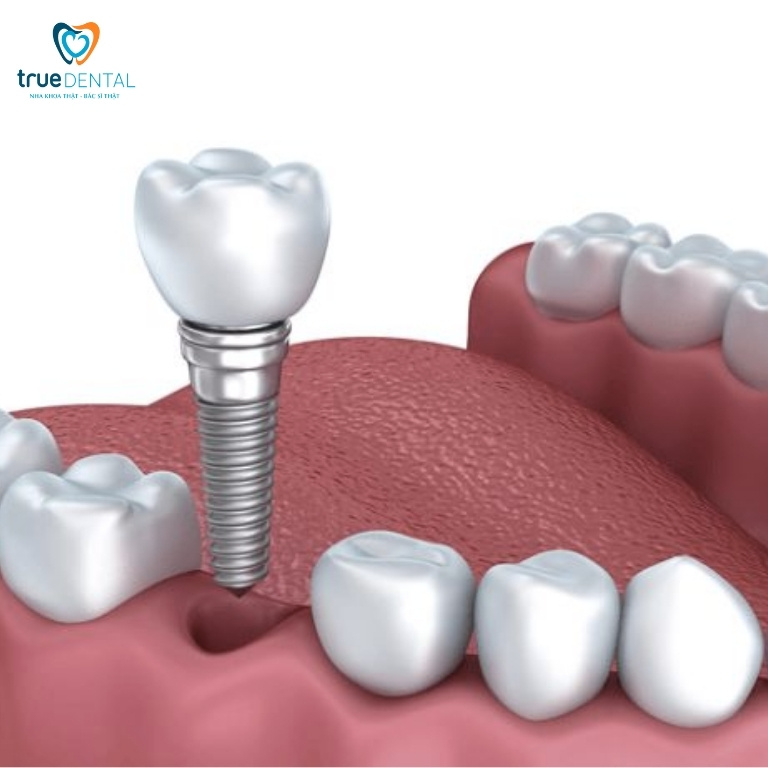
Dental implant placement is an advanced prosthodontic procedure in which an endosseous titanium fixture is anchored directly into the jawbone. Acting as a stable root substitute, it provides a durable foundation for a single porcelain crown, fixed bridge, or full-arch prosthesis, restoring comfortable chewing and natural facial harmony.
Advantages and Disadvantages of Dental Implants
Dental implants are widely recognized as the premier treatment modality for tooth replacement, offering substantial clinical advantages over conventional tooth-supported bridges or removable dentures. Nevertheless, patients should weigh both the benefits and practical considerations before proceeding with treatment.
Clinical Advantages
- Restores Natural Masticatory Function: Implants deliver exceptional mechanical strength and occlusal stability, enabling comfortable biting and chewing comparable to natural teeth.
- Prevents Alveolar Bone Resorption: Functional load transfer through the implant stimulates surrounding jawbone, halting the progressive bone loss that follows tooth extraction.
- Natural, Lifelike Aesthetics: Custom-milled ceramic crowns replicate natural tooth anatomy, translucency, and shade for a seamless, confident smile.
- Exceptional Long-Term Longevity: With diligent oral hygiene and routine professional maintenance, dental implants can last decades—or even a lifetime.
Limitations and Considerations
- Higher Initial Investment: Upfront treatment costs exceed those of conventional dental bridges or acrylic removable dentures.
- High Surgical & Technological Requirements: Successful placement requires an experienced implantologist and advanced diagnostic infrastructure, including 3D CBCT imaging and sterile operating suites.
- Extended Biological Healing Timeline: Complete osseointegration typically spans 3 to 6 months, requiring patient patience and adherence to post-operative care protocols.
Anatomy of a Complete Dental Implant Restoration
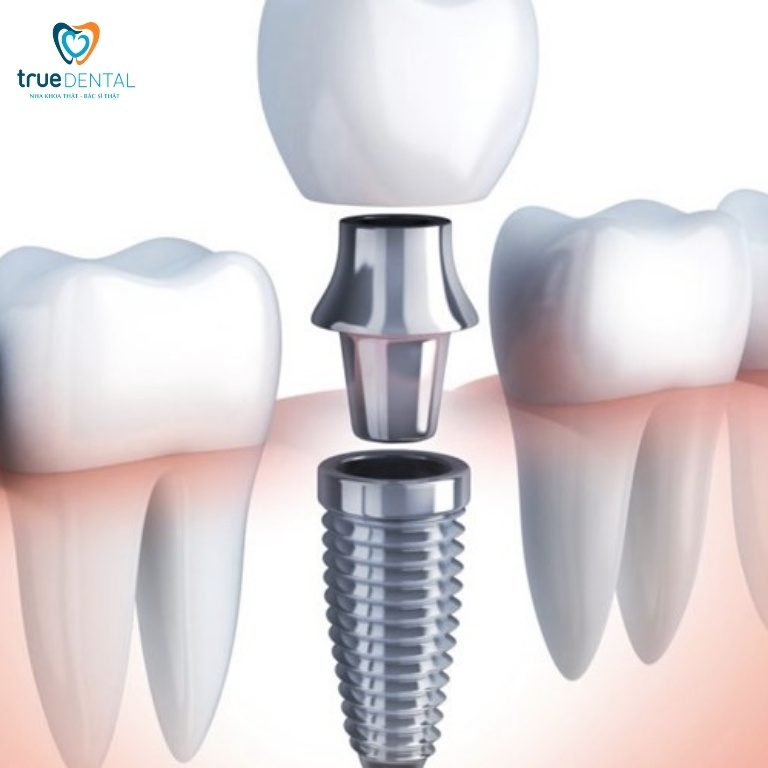
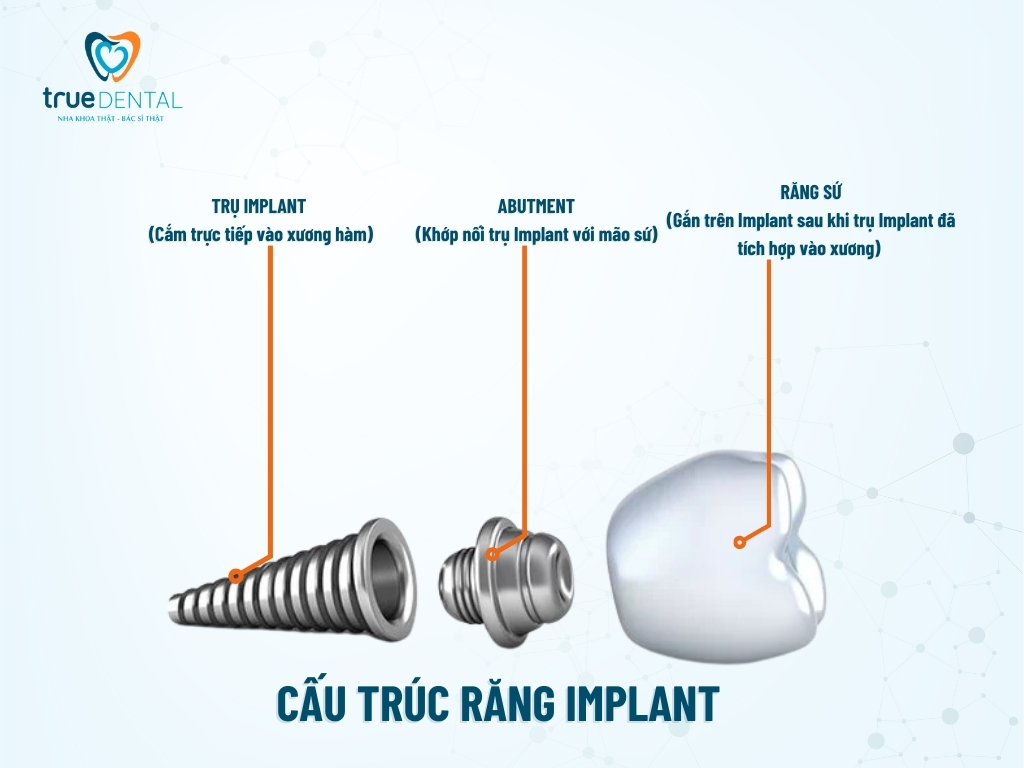
A complete single-tooth dental implant restoration consists of three precision-engineered components: the endosseous implant fixture, the prosthetic abutment, and the ceramic crown.
Endosseous Implant Fixture
The implant fixture serves as the artificial tooth root anchored directly into the jawbone. Machined from medical-grade commercially pure titanium, it features a tapered screw-like profile typically measuring 10 to 16 mm in length with continuous macro-threads and micro-textured surfaces to maximize primary stability and bone-to-implant contact.
Because titanium exhibits superior biocompatibility without eliciting foreign-body reactions, host osteoblasts grow directly onto the fixture surface—creating a rigid biological bond capable of supporting lifelong occlusal loads.
Prosthetic Abutment
The abutment is the transmucosal connector linking the subgingival implant fixture to the visible porcelain crown, functioning much like a prepared tooth core. Fabricated from medical-grade titanium or zirconia ceramic, its base locks securely into the implant’s internal connection once osseointegration is complete, while its coronal portion supports the definitive crown.
Abutment material selection depends on anatomical location and aesthetic demands: custom zirconia abutments are often chosen for high-visibility anterior teeth to prevent gray gingival shadowing, whereas titanium abutments are favored in posterior molar zones for maximum fracture resistance.
Porcelain Prosthetic Crown
The porcelain crown is the visible prosthetic tooth secured onto the abutment to complete the restoration. Custom-crafted from high-strength dental ceramics to match the shade, contour, and dimensions of adjacent teeth, its internal intaglio surface fits precisely over the abutment to form a unified, durable structure.
Fabricated from high-precision digital or physical arch impressions, the crown establishes balanced occlusion and natural tactile feel during chewing.
When Is Dental Implant Placement Indicated?
Dental implant therapy is clinically indicated across a broad spectrum of edentulous scenarios:
- Single or Multiple Missing Teeth: Replaces one or several missing teeth independently without grinding down healthy adjacent teeth for a conventional bridge, while preserving alveolar bone volume.
- Complete Edentulism (Full-Arch Tooth Loss): When all teeth are missing in the maxilla, mandible, or both arches, full-arch protocols such as All-on-4 or All-on-6 anchor a fixed full-arch bridge on 4 to 6 implants.
- Non-Restorable, Severely Compromised Teeth: Teeth affected by extensive caries, untreatable endodontic infection, or vertical root fracture that cannot be saved are best extracted and replaced with an implant to preserve surrounding bone.
5-Step Clinical Workflow for Dental Implant Placement
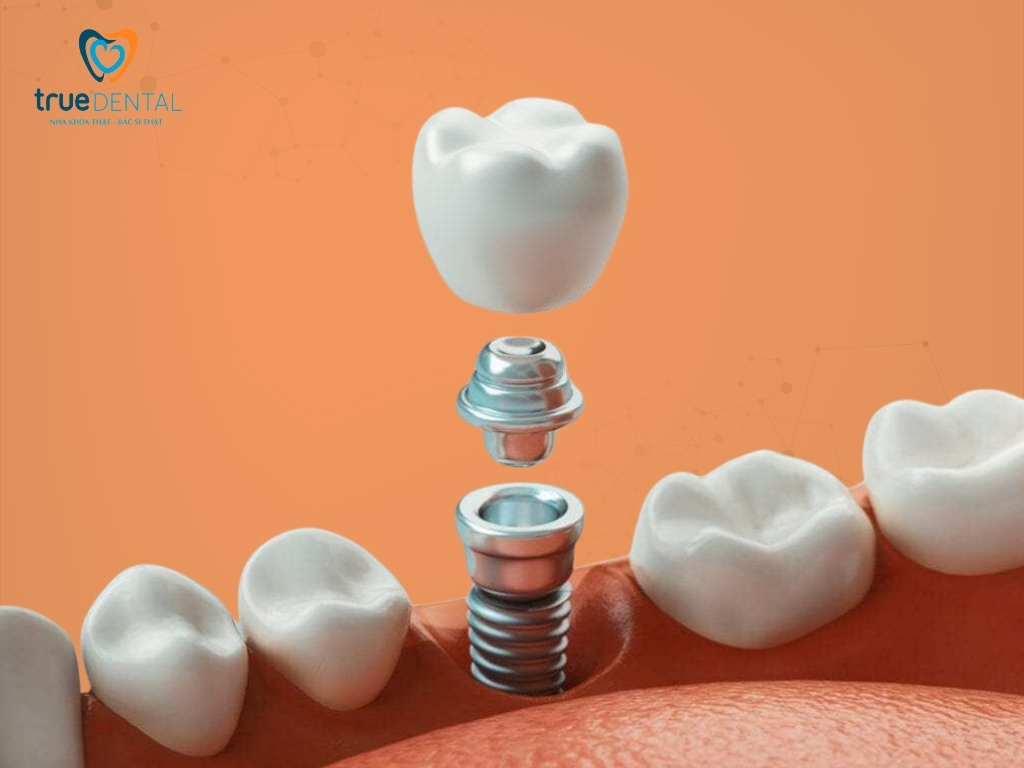
Dental implant therapy at an accredited dental clinic follows a standardized medical workflow to ensure surgical precision and predictable osseointegration:
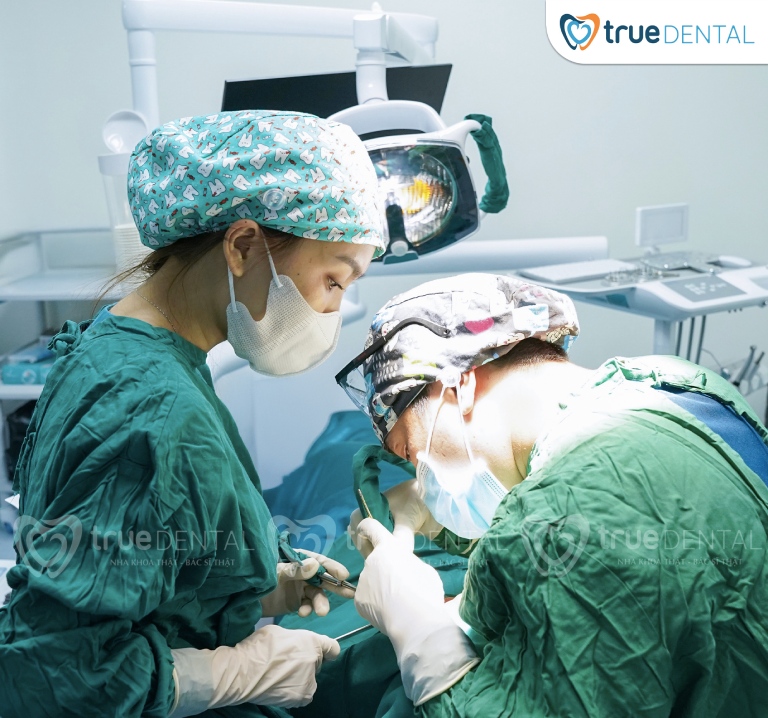
Below are the five core stages of standard implant treatment:
- Step 1 — Comprehensive Examination & Diagnostic Imaging
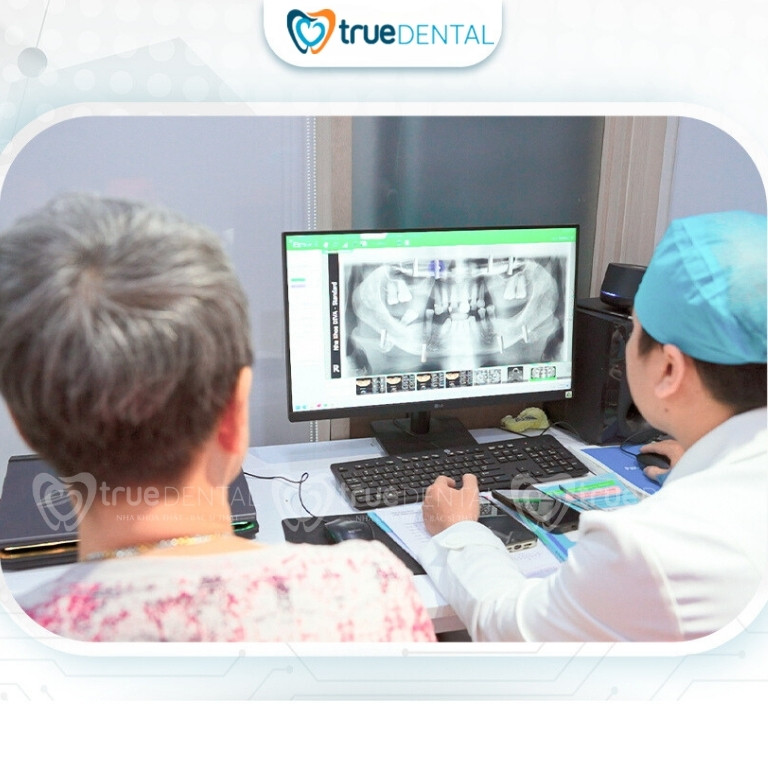
The specialist evaluates oral health, periodontal status, and 3D radiographic scans to determine clinical candidacy and discuss appropriate restorative options.
- Step 2 — Personalized Treatment Planning
Based on diagnostic findings, the clinician formulates a tailored plan specifying fixture brand, dimensions, exact 3D placement coordinates, and projected healing timelines.
- Step 3 — Aseptic Implant Fixture Placement
Under effective local anesthesia in a sterile operating suite, the titanium fixture is placed into the alveolar bone—a minimally invasive procedure typically requiring just 20 to 30 minutes per implant.
- Step 4 — Osseointegration Healing Phase
Over the next 3 to 6 months, the fixture biologically fuses with the surrounding bone while the patient maintains diligent oral hygiene and attends scheduled follow-up reviews.
- Step 5 — Abutment & Definitive Porcelain Crown Delivery
Once complete osseointegration is confirmed, the abutment and custom porcelain crown are secured, restoring full chewing function and smile aesthetics.
4 Key Factors When Choosing a Dental Implant Fixture
Selecting the optimal implant fixture is critical for long-term restorative success. Keep these four technical criteria in mind:
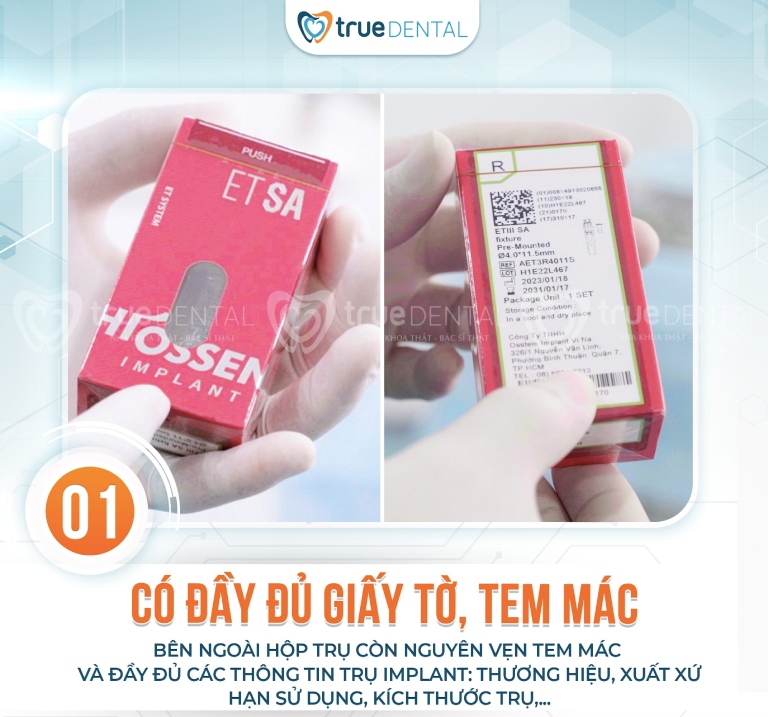
Manufacturer Origin & Certification
Choose certified fixtures from established global manufacturers backed by clinical research, international regulatory approvals, and written warranties. Uncertified or counterfeit fixtures carry high risks of early rejection, peri-implant infection, or mechanical fracture.
Biocompatibility & Bone Compatibility
Medical-grade commercially pure titanium or titanium-zirconium alloys maximize tissue biocompatibility, promoting rapid bone apposition and minimizing biological complications.
Optimal Fixture Dimensions (Diameter & Length)
Selecting the proper fixture diameter and length matched to your available alveolar ridge height and width ensures strong primary stability without encroaching on adjacent tooth roots or vital nerves.
Surface Micro-Topography & Osseointegration Speed
Advanced surface treatments such as SLA or hydrophilic SLActive accelerate osteoblast attachment, shortening healing timelines and improving predictability even in compromised bone.
6 Most Popular Dental Implant Systems Today
Leading implant systems trusted worldwide for clinical durability and osseointegration include:
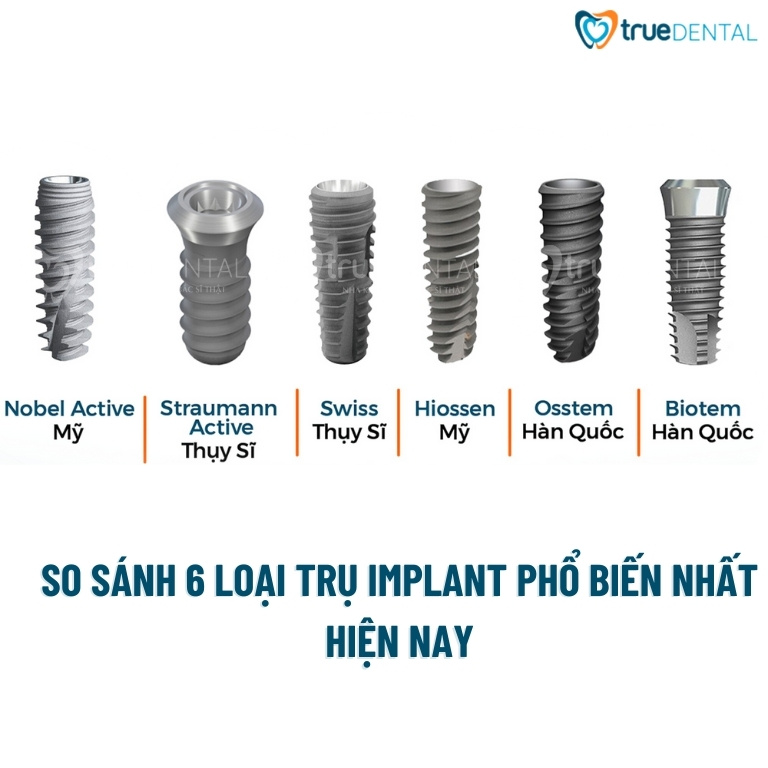
Straumann (Switzerland)
Manufactured by Straumann Group in Switzerland, Straumann implants are globally acclaimed for medical-grade pure titanium and Roxolid alloys paired with SLA/SLActive surface technology—accelerating osseointegration to approximately 6 weeks and offering lifelong durability with proper maintenance.
Nobel Biocare (Sweden / USA)
Nobel Biocare implants feature the proprietary anodized TiUnite surface and a tapered conical macro-design that promotes rapid bone apposition and soft-tissue stability—ideal for low-density trabecular bone and immediate post-extraction placement.
Swiss Implant (Switzerland)
Manufactured in Switzerland from high-purity titanium, Swiss Implants combine rapid osseointegration, balanced occlusal load distribution, and high mechanical strength at an accessible price point.
Hiossen (USA)
Crafted in the United States from high-purity titanium with a hybrid straight-tapered body, Hiossen fixtures achieve rapid primary stability across diverse anterior and posterior implant sites.
Osstem (South Korea)
Adopted across nearly 60 countries, South Korea’s Osstem implants feature biocompatible medical-grade titanium and specialized thread geometry that provides reliable stability even in softer bone, achieving clinical success rates up to 99.6–100%.
Biotem (South Korea)
Manufactured in South Korea from pure titanium, Biotem fixtures offer dependable osseointegration and safe, predictable tooth replacement at an economical investment.
5 Essential Precautions Before Undergoing Dental Implant Surgery
To ensure safe surgery and predictable long-term healing, observe these five clinical precautions:
- Evaluate Alveolar Bone Volume via 3D Imaging: Adequate bone height and density are required at the implant site; preoperative 3D CBCT scans determine whether preparatory sinus floor elevation or bone grafting is needed.
- Complete Systemic Health Screening: Patients with diabetes, cardiovascular disease, or coagulation disorders must undergo medical clearance and stabilize chronic conditions prior to surgery.
- Abstain from Tobacco and Alcohol: Smoking and alcohol impair microvascular healing and increase implant failure rates; discontinue tobacco use at least 2 to 4 weeks before and after surgery.
- Prepare Physically and Mentally: Get adequate rest before surgery and maintain a calm, relaxed mindset to support optimal physiological recovery.
- Follow Post-Operative Care Instructions Strictly: Adhering to prescribed medications, soft-diet guidelines, gentle oral hygiene, and scheduled follow-ups prevents infection and safeguards osseointegration.
Frequently Asked Questions About Dental Implants
Patients considering implant therapy frequently ask about candidacy, success factors, comfort, longevity, and treatment timelines. True Dental’s specialists answer the five most common questions below:
Who Is a Good Candidate for Dental Implants?
Dental implants are suitable for adults missing one, several, or all teeth who seek a fixed, independent restoration without altering adjacent teeth. Ideal candidates have good general health (with any chronic conditions such as diabetes well controlled) and sufficient alveolar bone density and volume—or eligibility for bone grafting.

What Factors Determine the Success of Dental Implant Surgery?
Clinical success depends on the implantologist’s surgical expertise, authentic certified implant fixtures, modern diagnostic and sterile operating infrastructure (such as 3D CBCT and AI-guided surgery), the patient’s systemic health, and diligent post-operative oral hygiene.
Is Dental Implant Surgery Painful?
Implant placement is performed under effective local anesthesia, ensuring a pain-free procedure. Mild post-operative soreness or swelling during the first 1 to 3 days is normal and typically resolves completely within a week with standard prescribed medication.
How Long Do Dental Implants Last?
With proper daily oral hygiene and regular professional dental checkups, dental implants routinely last 20 to 30 years—and frequently a lifetime.
How Soon After Implant Placement Can the Porcelain Crown Be Attached?
Depending on bone density and the chosen implant system’s surface technology, definitive porcelain crown delivery typically takes place 3 to 6 months after fixture placement once complete biological osseointegration is verified.
READ MORE:
Dental implant placement offers a modern, biologically sound solution to restore natural chewing strength and smile aesthetics. If you are experiencing tooth loss, jawbone resorption, or difficulty chewing, visit True Dental today for a complimentary 3D examination and personalized specialist consultation!

Sức Khỏe Răng Miệng
How long does it take to complete the process of getting dental implants?
Tooth replacement affects far more than just smile...
Sức Khỏe Răng Miệng
How much does it cost to replace a molar? Which method is most effective?
First and second molars—commonly referred to in Vietnamese...
Sức Khỏe Răng Miệng
How much does it cost to replace a single tooth? 2026 Price List
Tooth replacement is an effective restorative solution for...
Sức Khỏe Răng Miệng
Which country are Nobel dental implants from? How much do they cost?
Nobel Biocare dental implants stand out for rapid...
Sức Khỏe Răng Miệng
Straumann Dental Implants: Features, Origin, and Cost
Straumann dental implants are widely chosen by patients...
Sức Khỏe Răng Miệng
What are dental implants? When are dental implants needed?
Tooth loss affects far more than just smile...
Tôi đang tìm 1 Nha Khoa để điều trị cho tôi, nhưng rất lo lắng và sợ gặp phải NHA TẶC hoặc bị chèo kéo.
HÃY GIÚP TÔI TƯ VẤN THẬT
254 Điện Biên Phủ, Xuân Hòa, TP.HCM
HƯỚNG DẪN ĐƯỜNG ĐI