


 Tiếng Việt
 Русский
Tooth replacement affects far more than just smile aesthetics and masticatory efficiency—it directly safeguards your long-term oral and systemic health. How long tooth replacement takes depends on the chosen prosthodontic modality, alveolar bone volume, and clinical complexity of each case. This clinical guide from True Dental outlines exact treatment timelines across today’s leading restorative options—from removable dentures and fixed porcelain bridges to dental implants.
Why Is Prompt Tooth Replacement Essential?
When one or more teeth are lost, the consequences extend well beyond difficulty chewing. Prolonged edentulism triggers a cascade of oral, functional, and structural complications:
- Reduced Masticatory Efficiency & Gastrointestinal Strain: Missing teeth impair proper food trituration, increasing gastrointestinal workload and elevating risks of indigestion and reduced nutrient absorption.
- Alveolar Bone Resorption & Facial Collapse: Without functional occlusal forces transmitted through the tooth root, the edentulous jawbone progressively resorbs—causing sunken cheeks, perioral wrinkling, and premature facial aging.
- Adjacent Tooth Drifting & Malocclusion: Unopposed neighboring teeth tilt into the edentulous gap while opposing teeth supra-erupt, creating occlusal interferences and temporomandibular joint (TMJ) strain.
- Periodontal Inflammation & Neurosensory Discomfort: Untreated edentulous spaces trap plaque and food debris, accelerating gingivitis, gingival recession, and occlusal tension headaches.

In short, timely tooth replacement restores confident smiling and efficient chewing while preserving alveolar bone volume and preventing broader oral and systemic complications.
What Are the Main Tooth Replacement Options?
Selecting the right restorative treatment starts with understanding the clinical scope and trade-offs of the three primary prosthodontic options: removable dentures, fixed porcelain bridges, and dental implant placement.
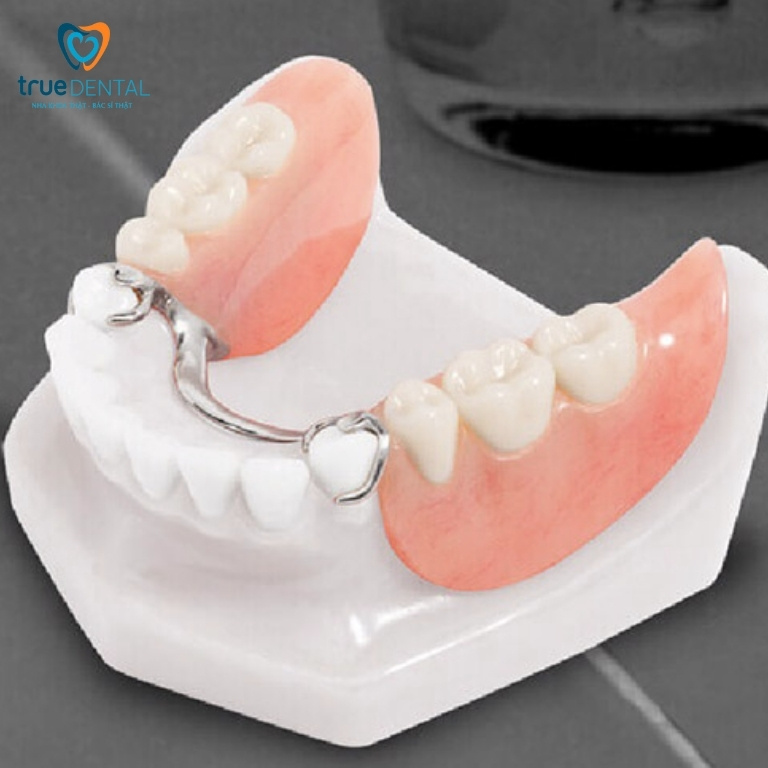
Removable Dentures
Removable partial or complete dentures feature acrylic or porcelain prosthetic teeth mounted on an acrylic resin base or cast metal framework. While economical and non-invasive—making them suitable for older adults or multi-tooth loss—they offer lower retention, do not prevent alveolar bone resorption, and require daily removal for hygiene.
Fixed Porcelain Bridges
A fixed porcelain bridge utilizes healthy adjacent teeth as prepared abutments supporting a suspended ceramic pontic. Bridges deliver fixed comfort, fast turnaround, and natural aesthetics at a moderate investment.
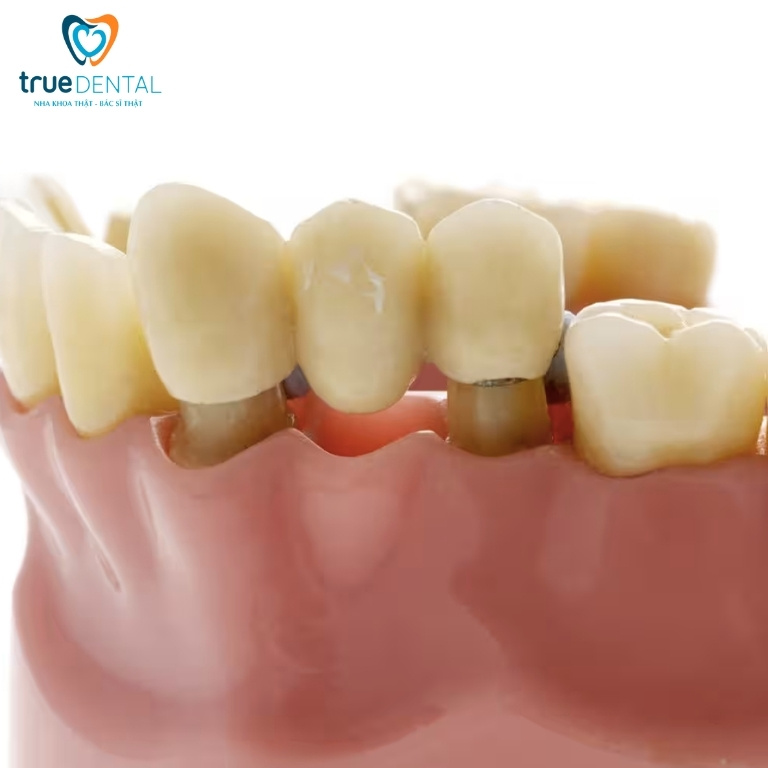
However, preparing two healthy neighboring teeth involves irreversible enamel reduction. Additionally, fixed dental bridges do not halt bone loss beneath the pontic and require diligent sub-pontic flossing to prevent recurrent caries or gingival inflammation.
Dental Implant Placement
Dental implants represent the gold standard in restorative dentistry: a biocompatible titanium fixture is anchored directly into the jawbone to replace the missing root, topped with a custom porcelain crown. Implants restore natural chewing strength, preserve alveolar bone, leave adjacent teeth untouched, and last decades with proper care.
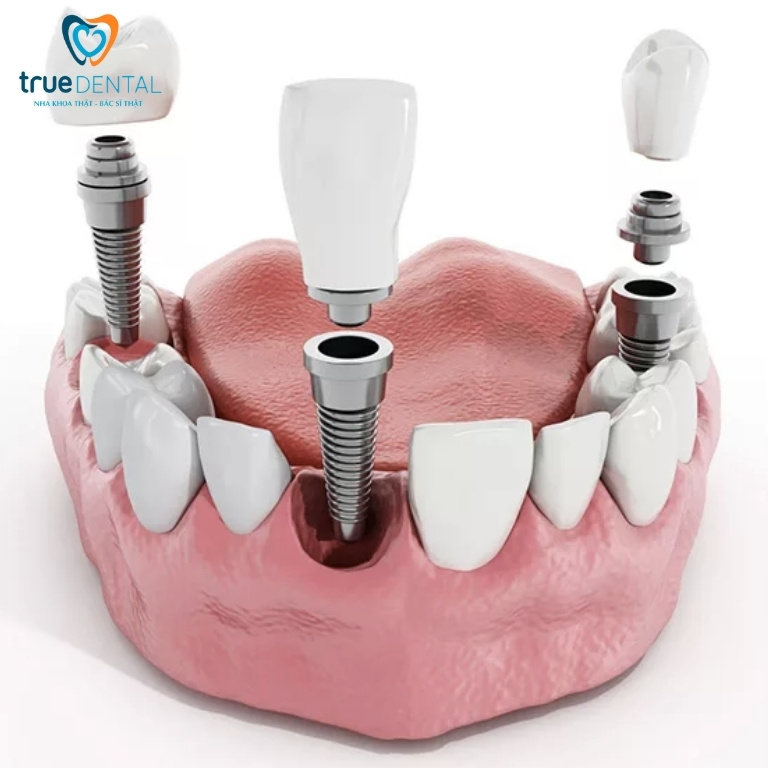
Because implant placement involves microsurgical precision and biological bone healing, it requires a credentialed implantologist, a higher initial investment, and a longer overall timeline than conventional bridges or dentures.
How Long After Tooth Extraction Can You Get a Replacement Tooth?
Waiting times between tooth extraction and prosthetic restoration depend on soft-tissue healing, socket bone regeneration, and the restorative method chosen:
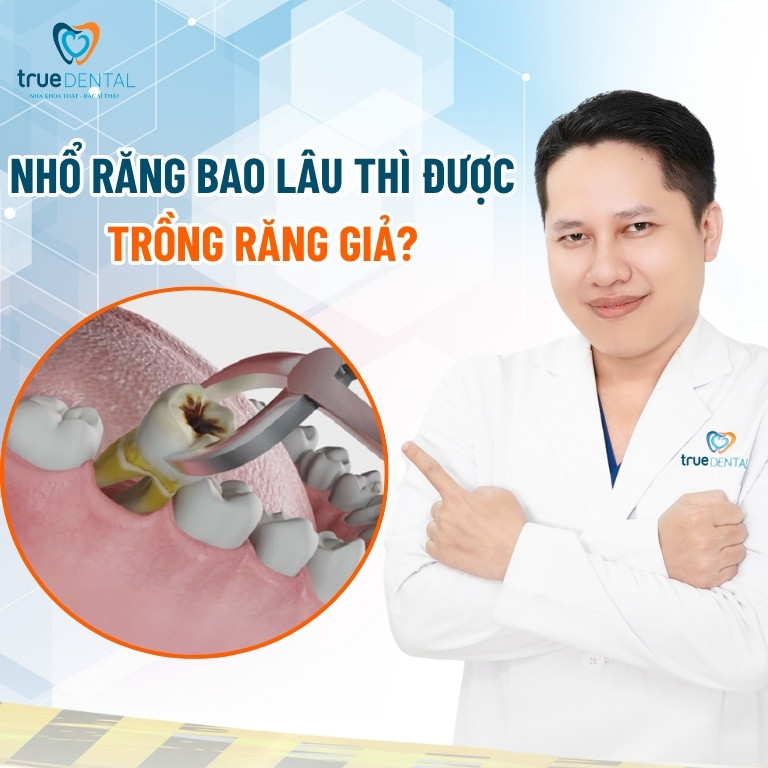
Recommended healing windows by treatment modality:
Removable Dentures or Fixed Porcelain Bridges
Because neither option relies on endosseous bone integration, initial gingival closure is sufficient. Preliminary impressions can begin as early as 2 to 4 weeks post-extraction once acute inflammation subsides, with the ideal window for definitive bridge or denture fabrication at 1 to 2 months after extraction.
Dental Implant Placement
Implant placement requires stable alveolar bone and infection-free tissues, following three evidence-based clinical timing protocols:
- Immediate Implant Placement (Same Day as Extraction):
Indicated when the extraction socket is free of acute infection, buccal cortical bone thickness is intact, and the site safely clears the maxillary sinus or inferior alveolar nerve. Immediate placement preserves tissue contours and shortens total treatment time for eligible candidates.
- Early Implant Placement (4 – 8 Weeks Post-Extraction):
Allows initial soft-tissue closure and keratinized mucosa maturation while preserving socket bone volume—offering a predictable balance of safety and efficiency.
- Delayed Implant Placement (3 – 6 Months Post-Extraction):
Indicated following severe periapical infection, periodontal bone loss, or socket preservation bone grafting, ensuring mature, dense bone to stabilize the implant fixture.
How Long Does Tooth Replacement Take to Complete?
Total active treatment duration at an accredited dental clinic ranges from just a few days to several months depending on the restorative modality:
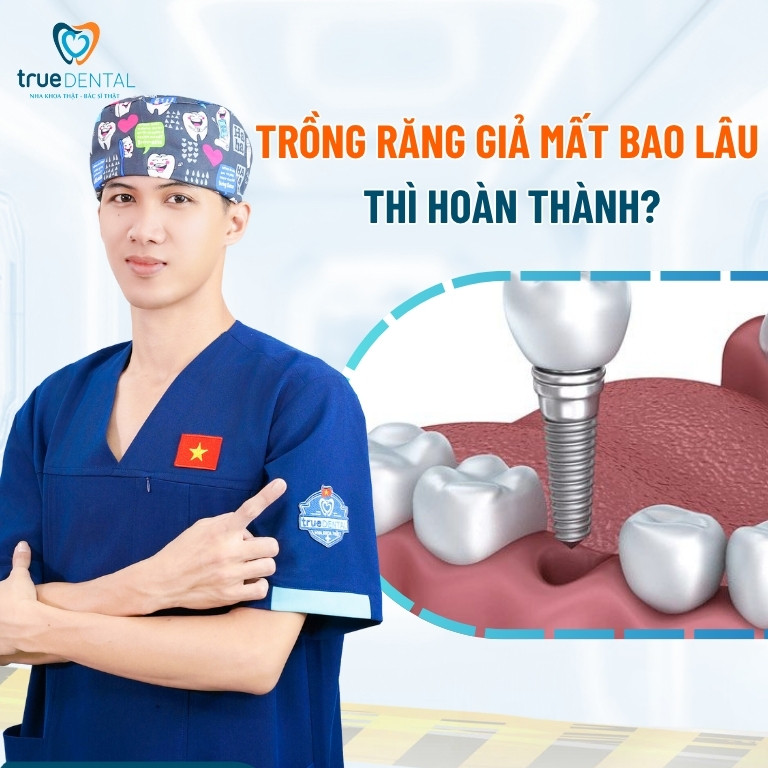
Dental Implant Timeline
While delivering lifelong results, dental implant therapy requires biological osseointegration before definitive crown loading:
- Standard Clinical Cases: Typically 3 to 4 months in total—comprising 3D CBCT diagnostics and fixture placement (20–30 minutes per implant), a 6 to 12-week osseointegration healing phase, and final abutment and porcelain crown delivery.
- Complex Cases Requiring Bone Augmentation: When sinus floor elevation or bone grafting is needed to rebuild resorbed ridges, total healing spans 4 to 6+ months depending on graft maturation.
Fixed Porcelain Bridge Timeline
A conventional 3-unit porcelain bridge is typically completed in 3 to 5 days across 2 to 3 clinical visits:
- Visit 1: Clinical examination, abutment tooth preparation, and precision arch impression/3D scan.
- Visit 2: Ceramic framework try-in and shade/occlusion verification.
- Visit 3: Definitive cementation of the finished porcelain bridge.
While fast and moderately priced, patients should consult an experienced prosthodontist to verify that adjacent abutment teeth are structurally sound enough to support long-term occlusal loads.
Removable Denture Timeline
Removable dentures require just 2 to 4 days across 1 to 2 appointments for arch impressions, bite registration, try-in, and final delivery—making them the fastest non-surgical option, though with lower biting stability than fixed restorations.
How Long Do Replacement Teeth Last?
Prosthetic longevity depends on restorative modality, biomaterial quality, clinical precision, and daily oral hygiene:
Dental Implants
Dental implants offer the longest clinical lifespan of any tooth replacement option—routinely lasting 25+ years and frequently a lifetime when placed in healthy bone and maintained properly.

Because medical-grade titanium resists corrosion and integrates permanently with host bone, the endosseous fixture remains stable indefinitely, while the overlying ceramic crown typically lasts 10 to 15+ years and can be replaced independently if ever needed.
Fixed Porcelain Bridges
Fixed porcelain bridges typically last 7 to 10 years—and up to 15 years with high-strength monolithic zirconia and meticulous interdental hygiene.
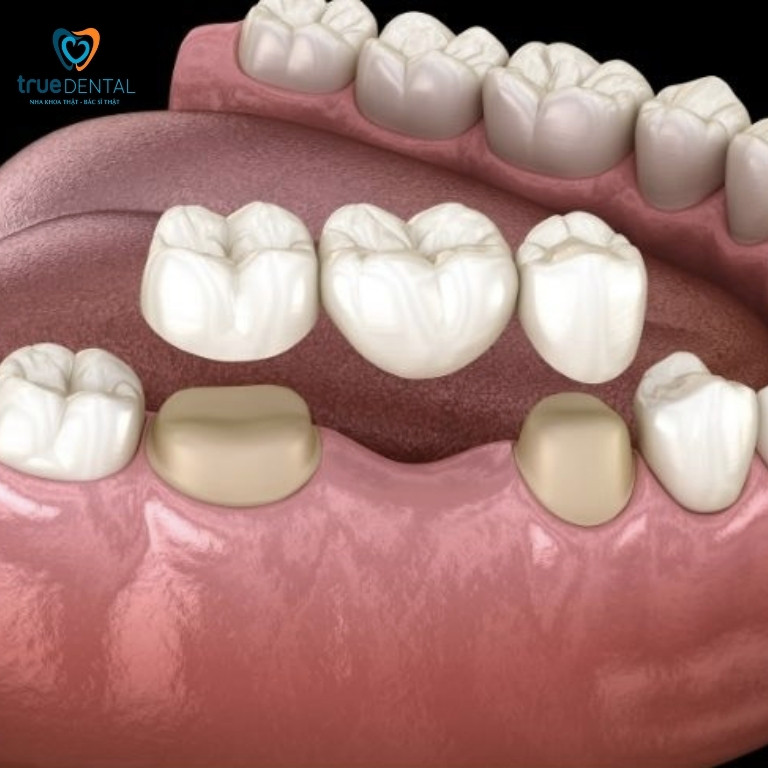
Long-term bridge survival relies directly on the health of the supporting natural abutment teeth; daily super-flossing and professional cleanings prevent recurrent decay, gingival recession, and periodontal breakdown.
Removable Dentures
Removable dentures generally last 3 to 5 years (up to 7 years for cast metal-framework partials).
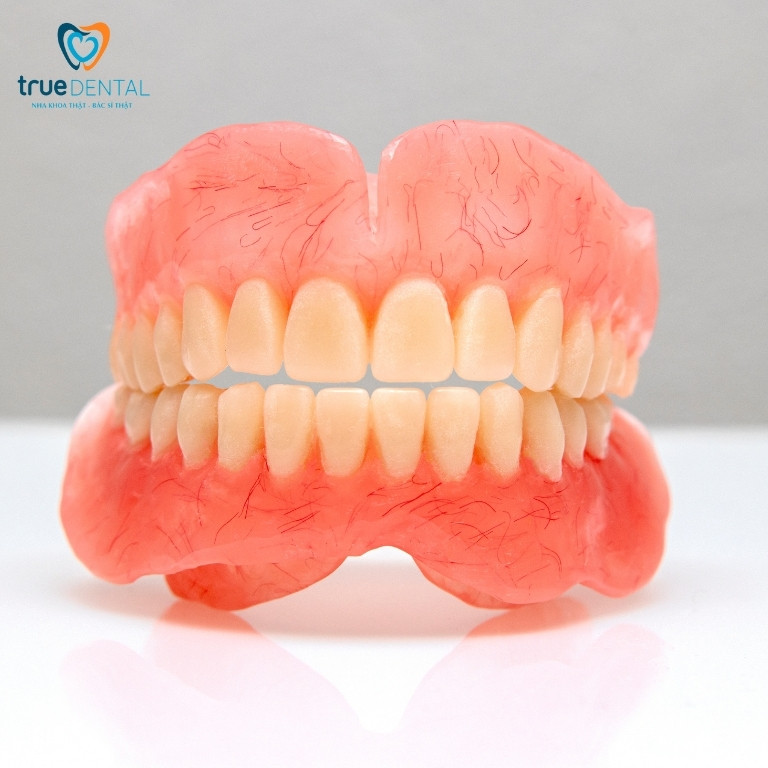
Because removable bases rest on the mucosa without stimulating underlying bone, progressive ridge resorption gradually loosens denture fit, requiring periodic relining or replacement.
6 Key Factors That Influence Tooth Replacement Timelines
Overall treatment duration varies from patient to patient based on six primary clinical variables:
- Alveolar Bone & Soft-Tissue Health: Dense, healthy bone and intact gingiva allow immediate or standard placement, whereas severe bone atrophy requires preparatory grafting that adds 3 to 6 months.
- Chosen Restorative Modality: Dental implants require multi-month biological osseointegration, whereas porcelain bridges and removable dentures are completed within days.
- Systemic Health & Medical History: Conditions such as uncontrolled diabetes, osteoporosis, or bone-modifying medications can slow osteogenesis and prolong healing phases.
- Daily Oral Hygiene & Lifestyle Habits: Smoking, bruxism (teeth grinding), or inadequate plaque control impair tissue healing and delay final crown placement.
- Specialist Expertise & Digital Technology: Experienced clinicians utilizing 3D Cone Beam CT (CBCT) imaging, AI-guided surgical templates, and hydrophilic implant surfaces streamline surgical precision and accelerate recovery.
- Number of Missing Teeth: Single-tooth restorations progress faster than complex multi-unit or full-arch All-on-4/All-on-6 rehabilitations.
READ MORE:
How long tooth replacement takes depends on your chosen restorative modality and baseline oral health—spanning just a few days for fixed bridges or removable dentures, and 3 to 6 months for lifelong dental implants. Contact True Dental today to schedule a complimentary 3D examination and receive a personalized treatment timeline from our specialists!

Sức Khỏe Răng Miệng
How long does it take to complete the process of getting dental implants?
Tooth replacement affects far more than just smile...
Sức Khỏe Răng Miệng
How much does it cost to replace a molar? Which method is most effective?
First and second molars—commonly referred to in Vietnamese...
Sức Khỏe Răng Miệng
How much does it cost to replace a single tooth? 2026 Price List
Tooth replacement is an effective restorative solution for...
Sức Khỏe Răng Miệng
Which country are Nobel dental implants from? How much do they cost?
Nobel Biocare dental implants stand out for rapid...
Sức Khỏe Răng Miệng
Straumann Dental Implants: Features, Origin, and Cost
Straumann dental implants are widely chosen by patients...
Sức Khỏe Răng Miệng
What are dental implants? When are dental implants needed?
Tooth loss affects far more than just smile...
Tôi đang tìm 1 Nha Khoa để điều trị cho tôi, nhưng rất lo lắng và sợ gặp phải NHA TẶC hoặc bị chèo kéo.
HÃY GIÚP TÔI TƯ VẤN THẬT
254 Điện Biên Phủ, Xuân Hòa, TP.HCM
HƯỚNG DẪN ĐƯỜNG ĐI