


 Tiếng Việt
 Русский
Following dental implant surgery, proper post-operative care accelerates osseointegration between the implant fixture and the jawbone while ensuring rapid soft tissue healing. In this article, True Dental summarizes 5 essential post-operative care guidelines to promote optimal recovery after dental implant placement.
Clinical Phases of Dental Implant Therapy
Dental implant placement is an advanced restorative procedure requiring a multi-stage clinical protocol to guarantee predictable outcomes and absolute patient safety. Before reviewing post-operative precautions, patients should understand the sequential stages of implant therapy to tailor their care regimen effectively at each step.
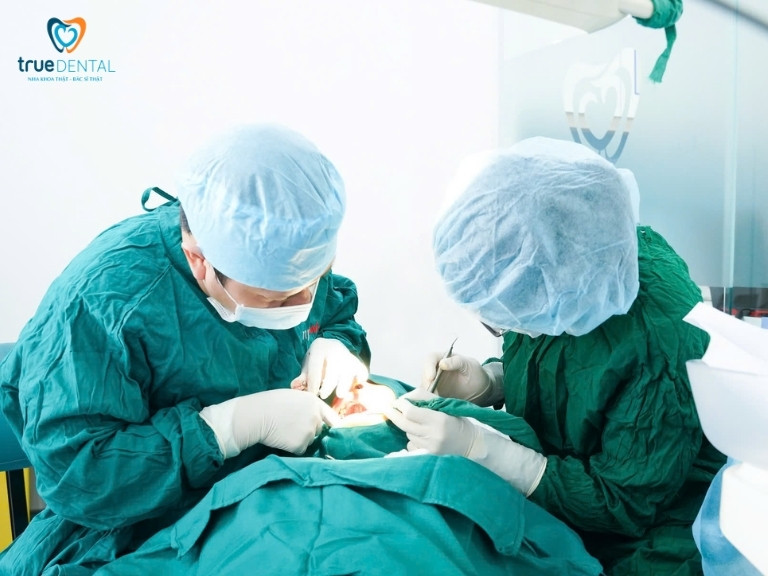
The clinical phases of dental implant therapy include:
This is the foundational and most critical surgical step in the workflow. Prior to surgery, the oral cavity undergoes thorough antiseptic disinfection, followed by local anesthesia administration to ensure a painless procedure and minimize infection risk. The specialist then prepares the osteotomy and places the implant fixture into the edentulous site within the jawbone.
In cases presenting with insufficient alveolar ridge width or height, adjunctive regenerative procedures—such as guided bone regeneration (bone grafting) or sinus floor elevation (sinus lift)—may be performed to establish adequate bone support for fixture stability.
Following single-unit dental implant placement, patients can typically resume normal daily routines almost immediately. Conversely, multiple fixture placements or full-arch surgeries require an extended recovery interval tailored to individual clinical parameters.
Following fixture insertion, a dedicated healing interval is required for biological osseointegration—the direct structural and functional fusion between living bone and the micro-textured implant surface. This phase spans 3 to 6 months as osteoblasts remodel and anchor onto the fixture threads.
During this period, diligent post-operative care is vital to prevent peri-implant infection or mechanical micro-motion. Maintaining strict oral hygiene and attending scheduled follow-up evaluations minimize complications and promote predictable bone integration.
Once clinical and radiographic evaluations confirm complete osseointegration, the specialist proceeds with definitive prosthetic restoration—the final phase restoring full masticatory function and smile aesthetics.
Prior to crown delivery, the clinician verifies mechanical fixture stability and attaches the Abutment—the precision intermediate connector joining the endosseous implant fixture to the overlying ceramic crown.
This restorative phase may span several weeks depending on the number of implants, bone remodeling status, and gingival tissue maturation. In selected cases, a custom provisional restoration is delivered first to sculpt soft tissue emergence contours and maintain aesthetics prior to final prosthesis placement.
READ MORE: MEDICALLY STANDARDIZED GST BIOLOGICAL DENTAL IMPLANT WORKFLOW
5 Essential Post-Operative Care Tips After Dental Implant Surgery
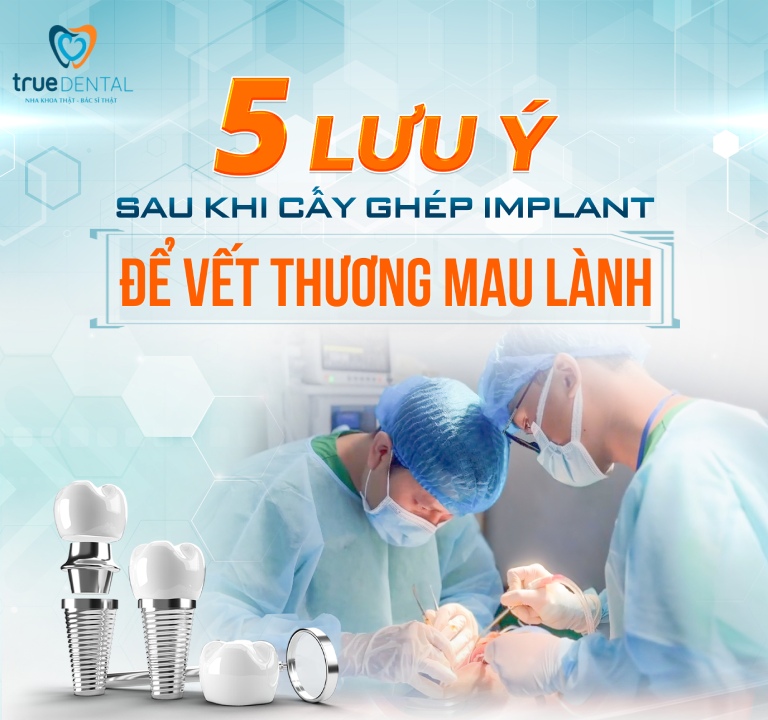
Adhering to evidence-based post-surgical care prevents surgical site infection and accelerates osseointegration. Observe the following 5 essential precautions to optimize recovery and achieve superior restorative outcomes:
Immediately following surgical fixture placement, bite down gently yet firmly on sterile gauze over the surgical site for 30 to 60 minutes to establish hemostasis and promote stable blood clot formation.
Additionally, apply an external ice pack intermittently to the cheek over the surgical area during the first 2 hours post-operatively to minimize localized edema and discomfort.
Tobacco smoking severely impairs microvascular perfusion and soft tissue healing, elevating the risk of surgical site infection and early implant fixture failure. Patients must strictly abstain from smoking during the initial healing window to create optimal biological conditions for osseointegration.
During the first 2 days post-surgery, avoid vigorous physical exertion such as running, heavy gym workouts, or lifting heavy objects. Elevated blood pressure and physical strain can trigger post-operative bleeding, exacerbate swelling, or compromise primary fixture stability.
Drink plenty of cool or room-temperature water following implant surgery to keep the oral cavity clean and soothe mucosal tissues. Consume soft, nutrient-rich foods—such as porridge, soups, and broths—to avoid excessive masticatory pressure over the surgical site.
Avoid hard, crunchy, spicy, or extreme-temperature (piping hot or ice-cold) foods and beverages, as thermal or mechanical irritation can disrupt clot stability and delay tissue healing.
Following surgery, brush remaining teeth gently using an extra-soft-bristled toothbrush while avoiding direct mechanical trauma to the surgical wound and sutures. Use prescribed antimicrobial mouth rinses (such as chlorhexidine) gently as directed by your clinician to control bacterial biofilm.
Furthermore, refrain from probing the surgical site with your fingers or tongue, and chew carefully on the opposite side of the arch to prevent food impaction.
What to Do If You Notice Warning Signs of Complications
While dental implant surgery has a high clinical success rate, post-operative complications can occasionally arise—often linked to unaccredited dental facilities, inexperienced operators, or inadequate post-surgical oral care.
Warning signs of post-implant complications include persistent or worsening swelling, severe throbbing pain unresponsive to prescribed analgesics, continuous bleeding, purulent discharge, or high fever. If you experience any of these symptoms, contact your treating specialist immediately for prompt clinical evaluation and intervention.
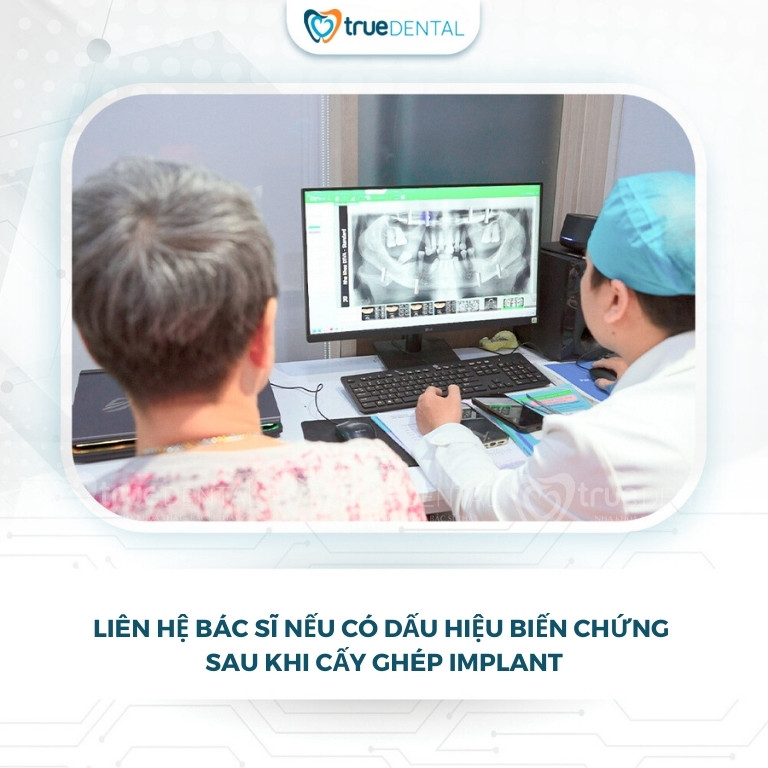
Additionally, if you previously underwent implant surgery at an unaccredited clinic and are experiencing complications, seek a comprehensive second-opinion evaluation from certified specialists at a reputable center. Based on diagnostic findings, the specialist will formulate a targeted corrective treatment plan.
In summary, adhering strictly to post-operative care guidelines shortens recovery timelines, accelerates osseointegration, and safeguards long-term implant survival. For any questions regarding dental implant procedures or post-surgical recovery, contact True Dental today via hotline 090 6636 456 to schedule a consultation with our experienced implant specialists.

Sức Khỏe Răng Miệng
How long does it take to complete the process of getting dental implants?
Tooth replacement affects far more than just smile...
Sức Khỏe Răng Miệng
How much does it cost to replace a molar? Which method is most effective?
First and second molars—commonly referred to in Vietnamese...
Sức Khỏe Răng Miệng
How much does it cost to replace a single tooth? 2026 Price List
Tooth replacement is an effective restorative solution for...
Sức Khỏe Răng Miệng
Which country are Nobel dental implants from? How much do they cost?
Nobel Biocare dental implants stand out for rapid...
Sức Khỏe Răng Miệng
Straumann Dental Implants: Features, Origin, and Cost
Straumann dental implants are widely chosen by patients...
Sức Khỏe Răng Miệng
What are dental implants? When are dental implants needed?
Tooth loss affects far more than just smile...
Tôi đang tìm 1 Nha Khoa để điều trị cho tôi, nhưng rất lo lắng và sợ gặp phải NHA TẶC hoặc bị chèo kéo.
HÃY GIÚP TÔI TƯ VẤN THẬT
254 Điện Biên Phủ, Xuân Hòa, TP.HCM
HƯỚNG DẪN ĐƯỜNG ĐI