


 Tiếng Việt
 Русский
Bone grafting surgery in dental implant placement is an advanced surgical procedure that must be performed by a qualified dental specialist. This technique regenerates and augments jawbone density and volume to support dental implant placement. When host jawbone density or volume is insufficient, bone augmentation becomes clinically essential to ensure the implant fixture is rigidly anchored and functions effectively long-term.
What Is Bone Grafting Surgery in Dental Implant Placement?
Bone grafting surgery in dental implant therapy is the surgical process of augmenting or regenerating jawbone tissue at edentulous sites. This technique establishes a stable osseous foundation for safe implant fixture placement, ensuring optimal osseointegration into the host bone. Consequently, implant-supported prosthetic restorations achieve superior structural durability and load-bearing capacity. Depending on individual bone deficiency patterns, clinicians select suitable augmentation techniques, such as autogenous block grafting, particulate bone grafting, or platelet-rich fibrin (PRF) membrane applications.

Bone augmentation techniques utilize various graft materials, including:
- Autogenous Bone Grafting (Autograft): Harvested directly from the patient’s own body, typically from the iliac crest, mandibular symphysis (chin), or ramus. This method yields superior biocompatibility, osteogenic potential, and predictable osseous integration.
- Allogeneic Bone Grafting (Allograft): Derived from screened human donors and processed to ensure immunogenic safety and biocompatibility. This technique eliminates secondary donor-site morbidity, though it carries a slight risk of immune response.
- Synthetic Bone Grafting (Alloplast): Utilizes biocompatible synthetic biomaterials, commonly calcium phosphate compounds (such as Hydroxyapatite or Tricalcium Phosphate), mimicking natural bone matrix. This avoids risks associated with biological tissues, though overall incorporation timelines may be extended.
READ MORE: CLINICAL INDICATIONS FOR MAXILLARY SINUS FLOOR ELEVATION IN DENTAL IMPLANT SURGERY
Why Is Bone Grafting Necessary Prior to Dental Implant Placement?
A primary prerequisite for successful dental implant placement is adequate jawbone height and width to surround and anchor the implant fixture. However, many patients fail to meet these parameters because tooth loss triggers progressive alveolar ridge resorption due to the absence of physiological masticatory stimulation. Over time, the jawbone becomes deficient and porous, rendering it unable to support an implant fixture.
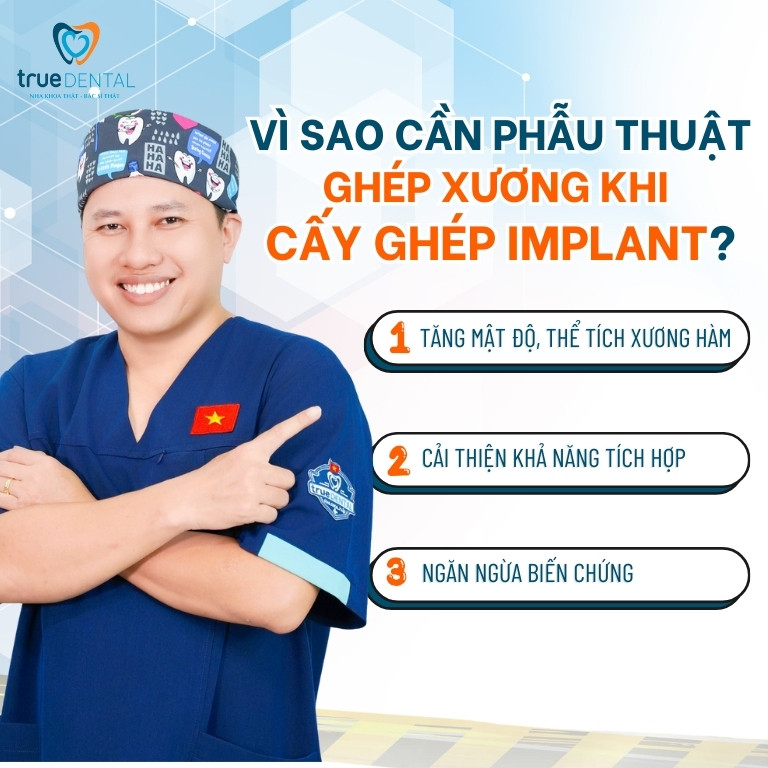
Performing bone grafting surgery prior to or alongside implant placement helps:
- Augment Jawbone Density and Volume: Bone grafting restores sufficient bone volume and ridge dimensions for safe, precise fixture placement.
- Optimize Primary Stability and Osseointegration: Meeting target bone density criteria secures initial mechanical fixture stability, ensuring predictable osseointegration.
- Prevent Post-Surgical Complications: Placing implants into compromised bone without prior bone augmentation leads to fixture mobility, peri-implantitis, or complete implant failure.
Which Cases Require Bone Grafting for Dental Implants?
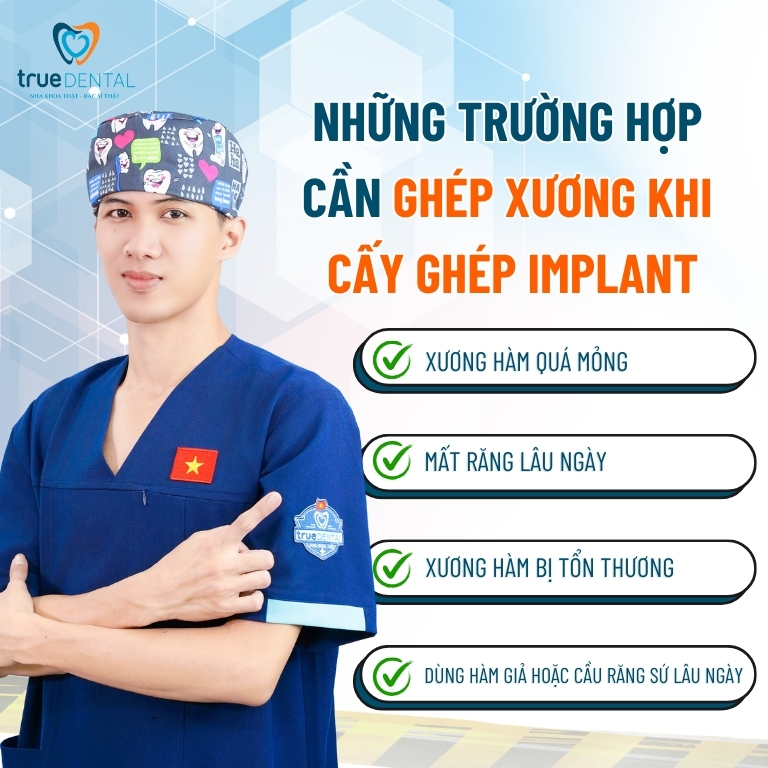
Not every patient undergoing dental implant placement requires bone augmentation. Specialists prescribe bone grafting in the following clinical scenarios:
- Severely Deficient Alveolar Ridge Width or Height: This represents the most common indication for pre-implant bone augmentation.
- Long-Standing Edentulism: Prolonged tooth loss results in significant horizontal and vertical bone resorption over time, leaving insufficient bone mass to retain an implant fixture. Bone grafting is indicated to rebuild adequate bone dimensions prior to placement.
- Reconstruction of Periodontally Damaged Osseous Defect Sites: Patients with extensive bone loss due to severe periodontitis require bone augmentation to regenerate missing alveolar bone prior to implant therapy.
- Long-Term Use of Removable Dentures or Fixed Dental Bridges: Conventional removable prostheses or tooth-supported bridges do not arrest alveolar bone resorption. Patients transitioning to dental implant restorations often require bone grafting to rebuild lost bone tissue.
Essential Clinical Precautions for Bone Grafting Procedures
Bone grafting prior to or during implant placement is a critical step in securing fixture stability and predictable osseointegration, significantly elevating surgical success rates.
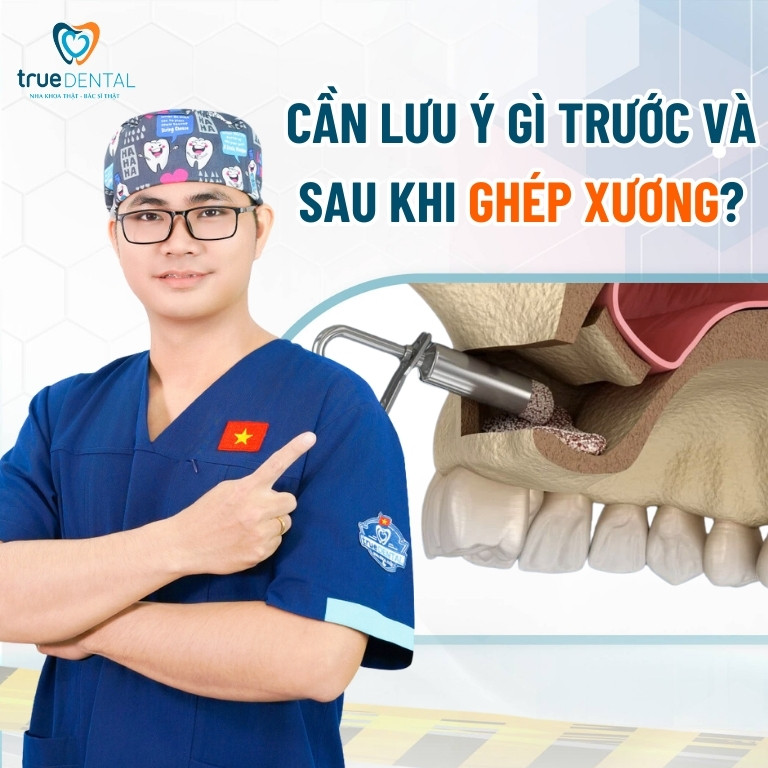
To ensure uneventful healing, patients must adhere to the following precautions:
Pre-Operative Considerations:
- Select a Reputable Dental Center: Choose a facility with accredited surgical specialists and advanced diagnostic infrastructure to ensure surgical safety and clinical efficacy.
- Comprehensive Systemic Evaluation: Confirm the absence of unmanaged systemic conditions (such as uncontrolled diabetes, cardiovascular pathologies, or osteoporosis) that impair soft tissue healing and bone remodeling.
- Abstain from Tobacco and Alcohol: Stop smoking and consuming alcohol for at least 4 to 6 weeks prior to surgery to improve localized tissue perfusion and healing capacity.
- Sinus Elevation Assessment (When Indicated): For posterior maxillary implants, pneumatized sinus cavities due to bone resorption may require sinus floor elevation prior to or concurrent with bone grafting.
- Pre-Operative Psychological Preparation: Maintain a relaxed mindset to facilitate a smooth surgical experience.
Post-Operative Management:
- Maintain firm biting pressure on sterile gauze for 30–60 minutes to achieve initial hemostasis; refrain from eating, drinking, or spitting during the initial post-operative hours.
- Apply intermittent cold packs extraorally for the first 24 hours and administer prescribed analgesics and anti-inflammatory medications as directed.
- Brush non-operated teeth gently using a soft-bristled toothbrush, avoiding the surgical site; use prescribed antimicrobial mouth rinses as directed.
- Maintain a cool, soft food diet during the first week. Avoid hot, spicy, or hard foods to prevent mechanical or thermal disruption to the surgical wound.
- Avoid strenuous physical activity or exercise for the first few days to prevent elevated microvascular pressure at the graft site.
- Attend all scheduled post-operative follow-up visits for suture removal and clinical monitoring of tissue healing.
In summary, bone grafting in dental implant therapy is a crucial procedure indicated for patients presenting with deficient host bone parameters. If you are considering dental implants but have concerns about your jawbone volume, contact True Dental today via hotline 090 6636 456 to schedule your complimentary examination and clinical consultation.

Sức Khỏe Răng Miệng
How long does it take to complete the process of getting dental implants?
Tooth replacement affects far more than just smile...
Sức Khỏe Răng Miệng
How much does it cost to replace a molar? Which method is most effective?
First and second molars—commonly referred to in Vietnamese...
Sức Khỏe Răng Miệng
How much does it cost to replace a single tooth? 2026 Price List
Tooth replacement is an effective restorative solution for...
Sức Khỏe Răng Miệng
Which country are Nobel dental implants from? How much do they cost?
Nobel Biocare dental implants stand out for rapid...
Sức Khỏe Răng Miệng
Straumann Dental Implants: Features, Origin, and Cost
Straumann dental implants are widely chosen by patients...
Sức Khỏe Răng Miệng
What are dental implants? When are dental implants needed?
Tooth loss affects far more than just smile...
Tôi đang tìm 1 Nha Khoa để điều trị cho tôi, nhưng rất lo lắng và sợ gặp phải NHA TẶC hoặc bị chèo kéo.
HÃY GIÚP TÔI TƯ VẤN THẬT
254 Điện Biên Phủ, Xuân Hòa, TP.HCM
HƯỚNG DẪN ĐƯỜNG ĐI