


 Tiếng Việt
 Русский
Dental implant placement is a widely trusted, effective restorative modality for replacing missing teeth. However, in rare instances, dental implant failure (non-osseointegration or rejection) can occur due to various biological or surgical factors, affecting both oral health and overall patient well-being.
What Is Dental Implant Placement in Restorative Dentistry?
Dental implant placement is an advanced prosthodontic treatment that replaces missing teeth by surgically anchoring an endosseous Titanium fixture into the jawbone to function as an artificial tooth root. Medical-grade Titanium exhibits exceptional biocompatibility, enabling direct biological osseointegration with living bone to minimize rejection risks and ensure long-term durability.
An implant-supported restoration replicates natural tooth anatomy while restoring full masticatory efficiency and natural proprioception. This protocol is indicated for single-tooth loss, multiple missing teeth caused by trauma or periodontal disease, and congenital anodontia—providing a comprehensive solution to rebuild your smile and quality of life.
How Does Dental Implant Failure Occur?
An implant fixture is surgically inserted into the alveolar ridge to replace a lost natural root. Dental implant failure occurs when biological osseointegration fails to establish—or breaks down—between the host bone and the fixture surface. Without rigid bone-to-implant anchorage, the fixture becomes unstable, loses load-bearing capacity, and can trigger serious peri-implant complications if left untreated.
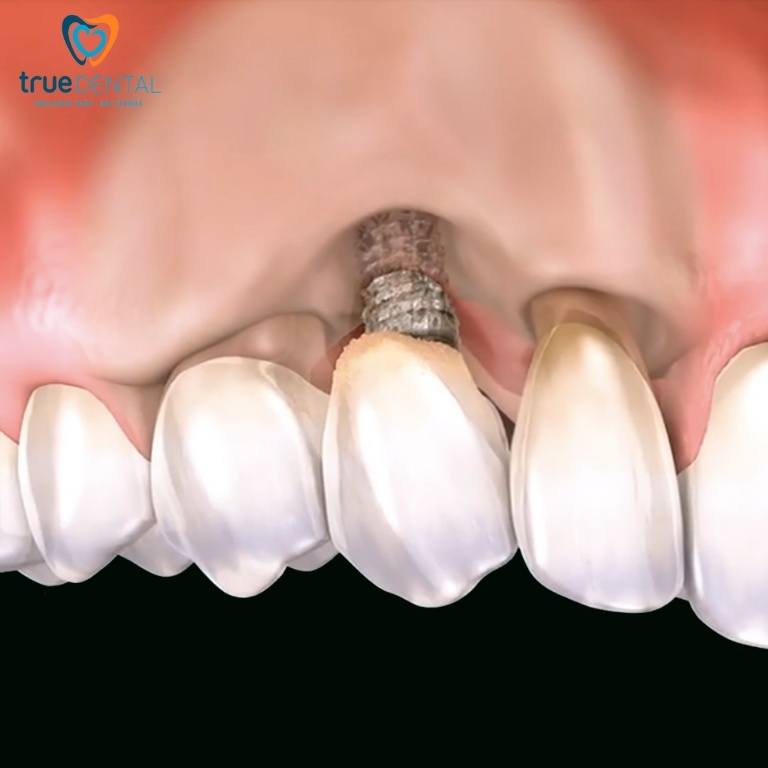
Multiple etiologies contribute to implant failure, including suboptimal surgical technique, compromised host healing capacity, or uncontrolled systemic conditions. Managing a failed implant typically requires fixture explantation, site debridement, and regenerative procedures such as guided bone regeneration (GBR) prior to placing a replacement fixture.
READ MORE: POTENTIAL COMPLICATIONS OF IMPROPER DENTAL IMPLANT SURGERY YOU NEED TO KNOW
Clinical Warning Signs of Dental Implant Failure
Monitoring osseointegration following implant surgery is essential to ensure long-term stability and function. Recognizing early warning signs of fixture failure enables prompt clinical intervention before extensive alveolar bone loss occurs.
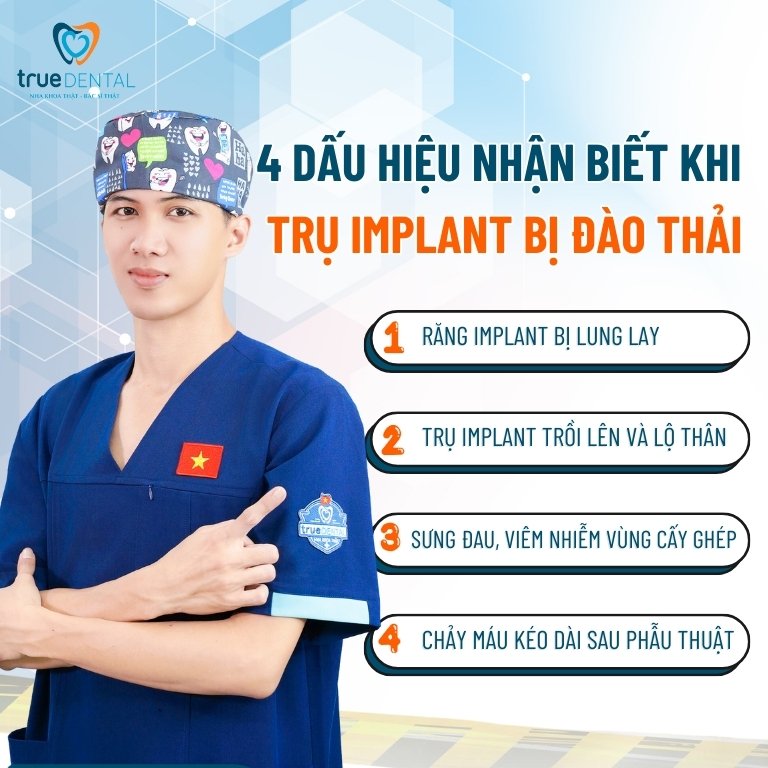
Key clinical indicators of a failing dental implant include:
- Implant Fixture Mobility: Any perceptible movement or looseness indicates fibrous encapsulation rather than true osseointegration—often caused by low trabecular bone density, premature occlusal overload, or surgical thermal necrosis.
- Fixture Extrusion and Thread Exposure: Visible exposure of the implant collar or threads above the gingival margin signals progressive crestal bone loss, severe peri-implantitis, or improper 3D placement trajectory.
- Persistent Localized Pain, Swelling, and Inflammation: While mild post-operative soreness and edema are normal during the first 48–72 hours, worsening pain, erythema, or suppuration beyond the initial healing window points to acute peri-implant infection or failure.
- Prolonged Post-Operative Bleeding: Continuous bleeding persisting beyond 24 hours post-surgery—especially when accompanied by fever or acute swelling—requires urgent clinical evaluation to rule out infection or hemostatic complications.
Primary Causes of Dental Implant Failure
Implant failure can stem from surgical, anatomical, or patient-related factors. Identifying these root causes helps patients take preventive precautions and guides specialists in formulating targeted remediation plans.
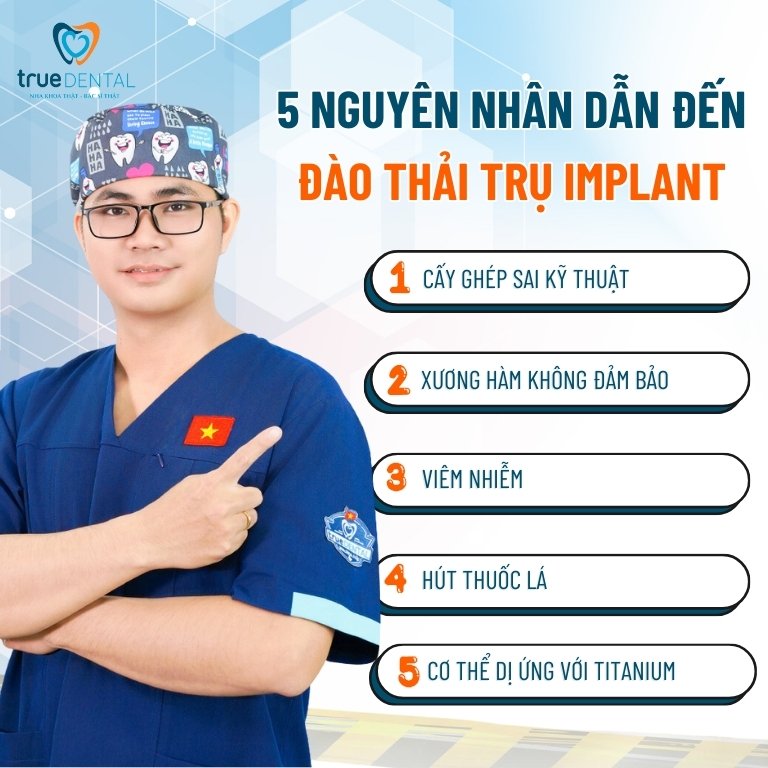
The five most common causes of dental implant failure include:
- Suboptimal Surgical Technique: Improper osteotomy preparation, inadequate irrigation leading to bone overheating, or inaccurate 3D fixture angulation compromises primary stability and prevents osseointegration.
- Unfavorable Alveolar Bone Quality or Volume: Extremely dense cortical bone (Type D1) has limited vascularity, elevating the risk of ischemic bone necrosis; conversely, overly porous trabecular bone (Type D4) lacks mechanical rigidity for primary stability. Severe post-extraction ridge atrophy also compromises fixture anchorage.
- Peri-Implant Infection: Inadequate post-operative plaque control allows bacterial biofilm colonization around the fixture, triggering peri-implant mucositis and destructive peri-implantitis.
- Tobacco Smoking: Nicotine induces peripheral vasoconstriction, reducing microvascular perfusion to healing bone and gingiva, impairing osteoblast activity, and significantly elevating infection rates.
- Hypersensitivity to Implant Alloys: Although commercially pure Titanium is highly biocompatible, rare allergic sensitivity to trace alloy elements can provoke chronic inflammatory tissue rejection.
Clinical Management of a Failed Dental Implant
When implant failure is diagnosed, prompt clinical management is vital to arrest bone destruction and preserve surrounding oral structures. Treatment protocols vary based on the severity and underlying etiology:
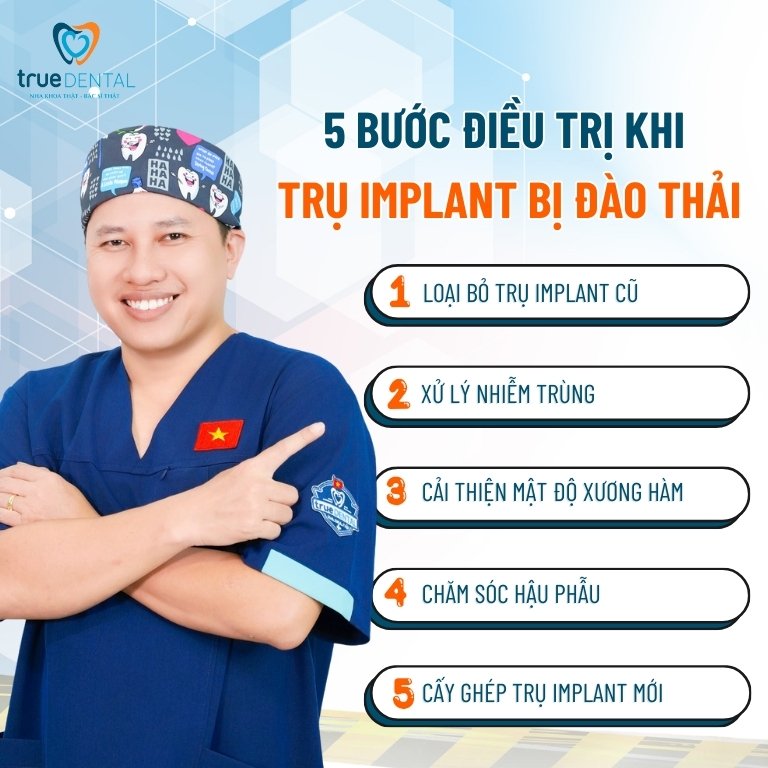
The five standard clinical steps for managing dental implant failure include:
- Atraumatic Fixture Explantation: Non-integrated or severely mobile fixtures are carefully removed using reverse-torque instruments to prevent further alveolar bone trauma.
- Infection Eradication and Site Debridement: Granulation tissue is thoroughly curetted, and targeted antibiotic therapy along with antimicrobial irrigation is administered to eliminate bacterial pathogens.
- Alveolar Ridge Augmentation (Bone Grafting): If crestal bone loss has compromised ridge dimensions, guided bone regeneration (GBR) is performed to rebuild dense, healthy bone volume.
- Post-Explantation Healing and Aftercare: Patients follow strict oral hygiene, a soft diet, and complete tobacco cessation while the site heals and bone matures.
- Re-Implantation of a New Fixture: Once full bone regeneration and tissue health are confirmed via 3D CBCT imaging, a new implant fixture is placed using precision computer-guided surgery.
Patients should consult their implant specialist immediately upon noticing any abnormal symptoms so diagnostic radiographs and clinical tests can identify the cause early.
How to Prevent Dental Implant Failure
Proactive prevention is the most effective safeguard against implant complications. First, select an accredited dental implant center staffed by credentialed implantologists with extensive clinical experience and 3D CBCT diagnostic technology.
Equally critical is meticulous daily oral hygiene. Following dental implant placement, keeping the peri-implant sulcus plaque-free prevents bacterial colonization. Use an extra-soft toothbrush, specialized implant floss or interdental brushes, and prescribed antimicrobial rinses to protect surrounding tissues.
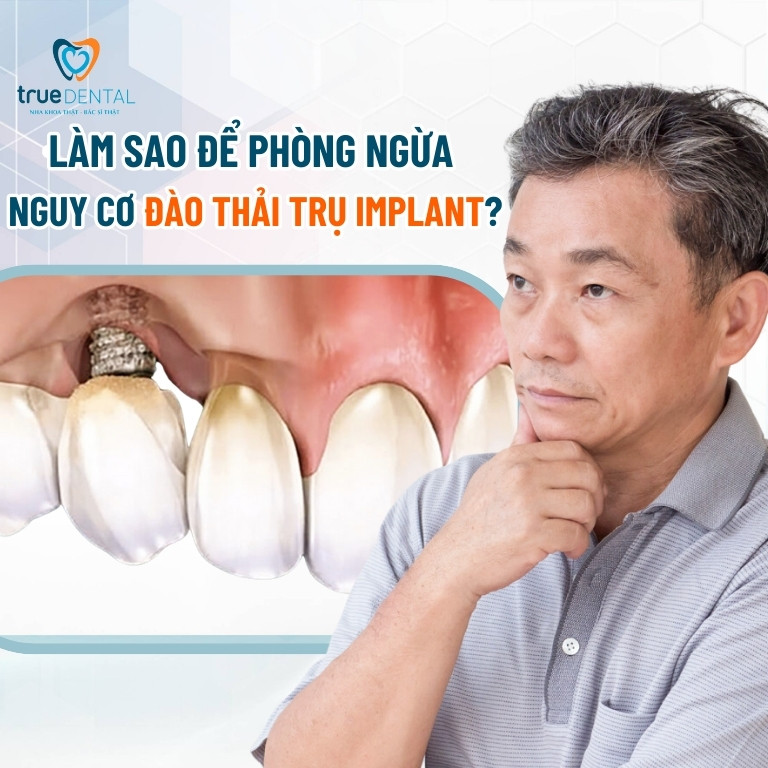
Abstain from smoking to preserve healthy gingival blood supply and bone remodeling, and attend all scheduled maintenance visits so your clinician can monitor osseointegration and occlusal balance.
Finally, maintain a balanced diet rich in calcium and vitamin D to support strong bone mineralization, while avoiding excessively hard or highly acidic foods during early healing.
While dental implant failure is a serious complication that can arise during healing or post-restoration, early recognition and evidence-based clinical management can successfully restore oral health. Choosing an accredited dental center, maintaining rigorous oral hygiene, and supporting systemic health ensure lifelong implant success.

Sức Khỏe Răng Miệng
How long does it take to complete the process of getting dental implants?
Tooth replacement affects far more than just smile...
Sức Khỏe Răng Miệng
How much does it cost to replace a molar? Which method is most effective?
First and second molars—commonly referred to in Vietnamese...
Sức Khỏe Răng Miệng
How much does it cost to replace a single tooth? 2026 Price List
Tooth replacement is an effective restorative solution for...
Sức Khỏe Răng Miệng
Which country are Nobel dental implants from? How much do they cost?
Nobel Biocare dental implants stand out for rapid...
Sức Khỏe Răng Miệng
Straumann Dental Implants: Features, Origin, and Cost
Straumann dental implants are widely chosen by patients...
Sức Khỏe Răng Miệng
What are dental implants? When are dental implants needed?
Tooth loss affects far more than just smile...
Tôi đang tìm 1 Nha Khoa để điều trị cho tôi, nhưng rất lo lắng và sợ gặp phải NHA TẶC hoặc bị chèo kéo.
HÃY GIÚP TÔI TƯ VẤN THẬT
254 Điện Biên Phủ, Xuân Hòa, TP.HCM
HƯỚNG DẪN ĐƯỜNG ĐI