


 Tiếng Việt
 Русский
Have you recently undergone a tooth extraction and are wondering whether you should proceed with dental implant placement? Implant therapy not only restores natural masticatory function but also preserves alveolar bone volume and long-term smile aesthetics. However, what is the optimal clinical timing for placement? Explore this guide or contact True Dental for a personalized specialist consultation!
Clinical Indications for Dental Implant Placement
Dental implant placement following tooth loss is the gold-standard solution for patients seeking to restore full chewing efficiency and preserve jawbone architecture. Key clinical indications for post-extraction or delayed implant therapy include:
- Single or Multiple Tooth Loss: Including teeth lost due to severe caries, dental trauma, or non-restorable teeth requiring extraction. Endosseous implants replace the natural tooth root, ensuring durable function and natural aesthetics.
- Alveolar Bone Resorption or Long-Standing Edentulism: Prolonged tooth loss leads to progressive jawbone atrophy, weakening the surrounding ridge. Timely post-extraction implant placement arrests bone loss and maintains ridge volume.
- Preserving Adjacent Healthy Teeth (Avoiding Fixed Bridges): When neighboring teeth are intact or structurally compromised, dental implants eliminate the need for irreversible enamel preparation required by conventional fixed dental bridges.
- Dissatisfaction with Removable Dentures: For patients experiencing instability, mucosal irritation, or discomfort with removable partial or complete dentures, dental implant fixtures provide a fixed, comfortable, and highly stable alternative.
- Desire for Full Masticatory Efficiency: Osseointegrated implants withstand physiological occlusal forces, allowing patients to chew tough or fibrous foods comfortably without slippage.
- Adults with Stable Systemic Health: Implant placement is indicated for skeletally mature adults (typically aged 18 and older) in stable general health without uncontrolled systemic contraindications such as poorly controlled diabetes mellitus, severe osteoporosis, or impaired wound healing.

Should You Get a Dental Implant After Tooth Extraction?
Dental implant placement after tooth extraction is widely recommended to restore occlusal function and prevent post-extraction ridge collapse. By transmitting functional chewing loads into the bone, the implant prevents alveolar resorption and maintains natural facial contours. However, not every patient is an immediate candidate on the day of extraction.
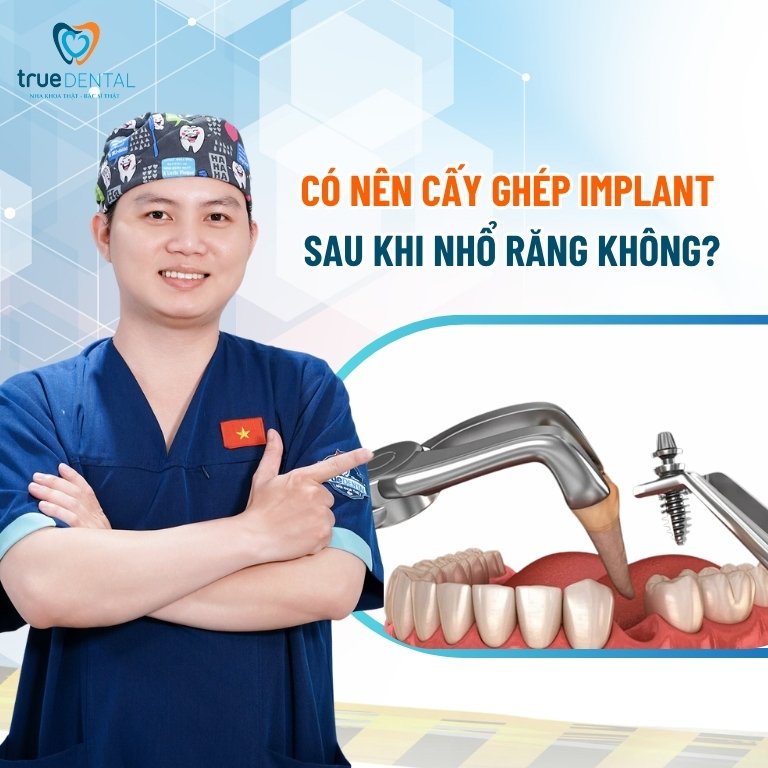
When sufficient alveolar bone volume, intact buccal plate thickness, absence of acute infection, and good systemic health are present, immediate post-extraction implant placement is the optimal approach. This protocol shortens overall treatment duration, reduces surgical appointments, and minimizes postoperative discomfort. Conversely, if socket walls are compromised or periapical infection is present, clinicians typically recommend a healing interval of 2 to 4 months (or longer) to allow soft and hard tissue regeneration—maximizing osseointegration predictability and preventing gingival recession or peri-implant complications.
Ultimately, determining the ideal post-extraction placement protocol requires thorough clinical and radiographic evaluation at an accredited implant center.
How Long After Tooth Extraction Can an Implant Be Placed?
The clinical timing of implant placement following extraction depends on socket morphology, alveolar bone quality, gingival biotype, presence of infection, and systemic health. Standard evidence-based placement timelines include:
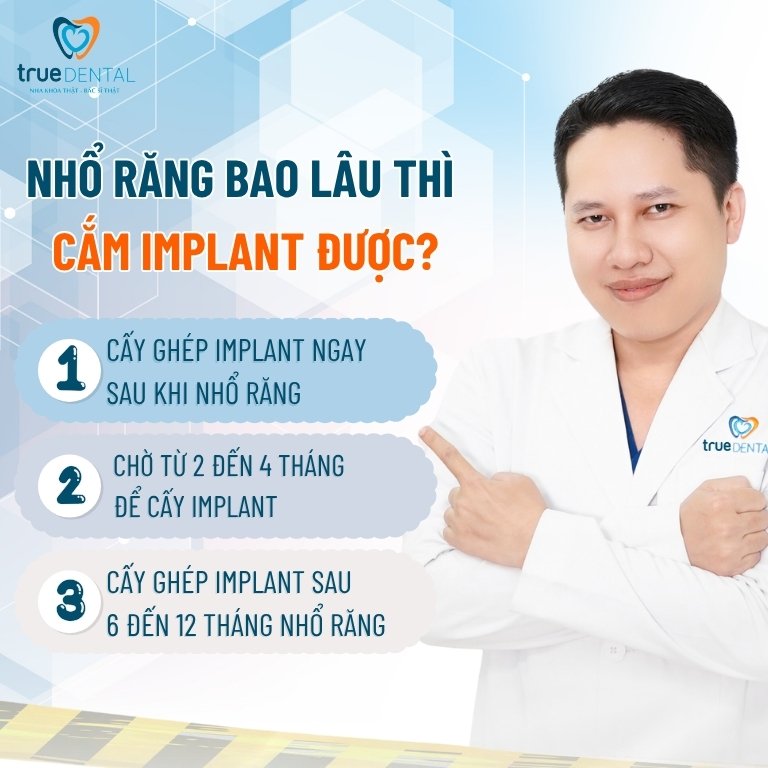
Immediate Implant Placement (Type 1 — Same Day as Extraction)
Immediate implant placement is performed within the same surgical appointment immediately following atraumatic tooth extraction. This approach condenses treatment timelines, preserves soft tissue architecture, and eliminates a second surgery—provided the extraction socket exhibits adequate apical bone for primary stability and zero acute purulent infection.
Early Implant Placement (Type 2/3 — 2 to 4 Months Post-Extraction)
Waiting 2 to 4 months allows complete soft tissue closure and partial trabecular bone fill within the extraction socket, substantially lowering infection and mucosal recession risks. This timeline is ideal when mild periapical pathology was present or when simultaneous contour bone grafting is planned to optimize aesthetic emergence profiles.
Delayed Implant Placement (Type 4 — 6 to 12 Months Post-Extraction)
Indicated for cases involving extensive alveolar bone destruction, large cystic lesions, or severe ridge atrophy following extraction. An extended healing period—often combined with staged guided bone regeneration (GBR) or sinus floor elevation (sinus lift)—establishes a dense, stable osseous foundation prior to fixture insertion.
Key Factors Determining Post-Extraction Implant Timing
Implant specialists determine the safest placement window by evaluating multiple biological and surgical variables to ensure predictable osseointegration and patient safety:
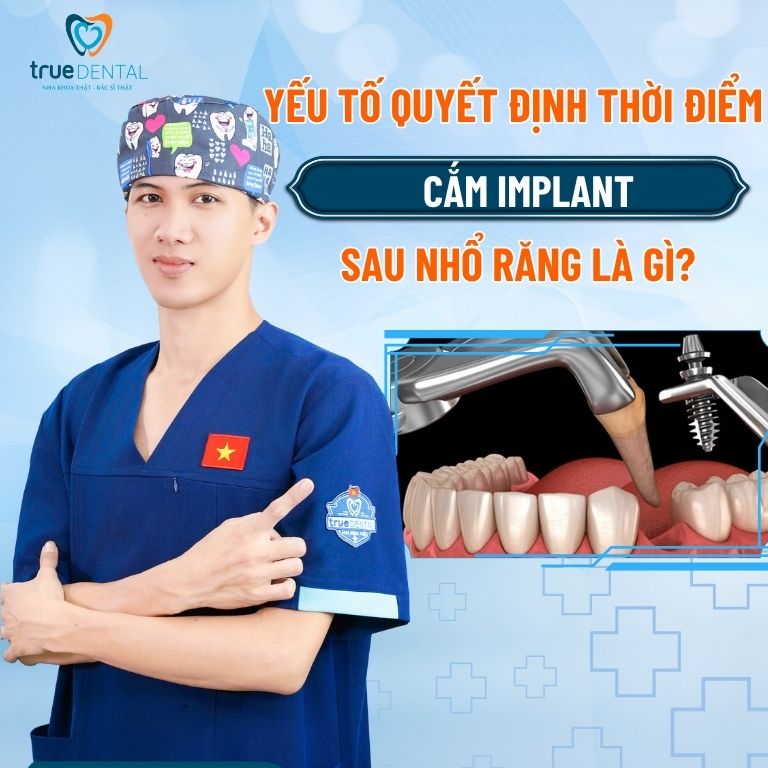
Alveolar Bone Volume and Gingival Biotype
Adequate bone height, ridge width, and density are prerequisites for achieving primary implant stability. If severe ridge resorption or buccal plate dehiscence exists, bone grafting is indicated prior to or concurrent with placement. Additionally, healthy, keratinized mucosa free of inflammation is essential to support proper peri-implant soft tissue sealing.
Pre-Existing Oral or Periapical Infection
The extraction socket must be thoroughly debrided and free of active infection. If acute periapical abscess, active periodontitis, or suppuration is present, implant insertion is deferred until the infection is completely resolved to prevent early implant failure.
Atraumatic Extraction Technique
Minimally invasive, atraumatic extraction techniques (using periotomes or piezosurgery) preserve fragile buccal cortical bone and periodontal ligament blood supply, accelerating socket healing and enabling immediate or early implant placement.
Systemic Health Status
Systemic conditions such as uncontrolled diabetes mellitus, coagulation disorders, or cardiovascular disease impair angiogenesis and bone remodeling, requiring medical stabilization and tailored surgical timelines.
Patient Age and Healing Capacity
Older adults or patients with slower tissue turnover may require slightly longer healing windows to achieve complete cortical bone maturation prior to fixture placement, whereas healthy individuals with robust bone metabolism often qualify for earlier protocols.
Post-Extraction Dental Implant Workflow at True Dental
At True Dental, post-extraction implant therapy is executed only after comprehensive specialist diagnostics and follows a medically standardized protocol:
- Comprehensive Examination and 3D Imaging: The specialist evaluates oral health, panoramic X-rays, and Cone Beam CT (CBCT) scans to analyze socket walls, bone density, and anatomical landmarks before formulating a personalized plan.
- Atraumatic Extraction and Socket Debridement: Under strict asepsis, the tooth is extracted atraumatically and the socket is thoroughly curetted and irrigated to eliminate any inflammatory tissue.
- 3D-Guided Implant Placement: Depending on clinical indications, the implant fixture is placed immediately or following socket healing using 3D computer-guided surgical templates for sub-millimeter accuracy.
- Provisional Restoration Delivery: When indicated, a custom provisional tooth is placed to maintain smile aesthetics and soft tissue contours during the 2- to 6-month osseointegration period.
- Definitive Porcelain Crown Placement: Once complete osseointegration is confirmed, the definitive ceramic crown is secured onto the implant, restoring natural aesthetics and full chewing efficiency.
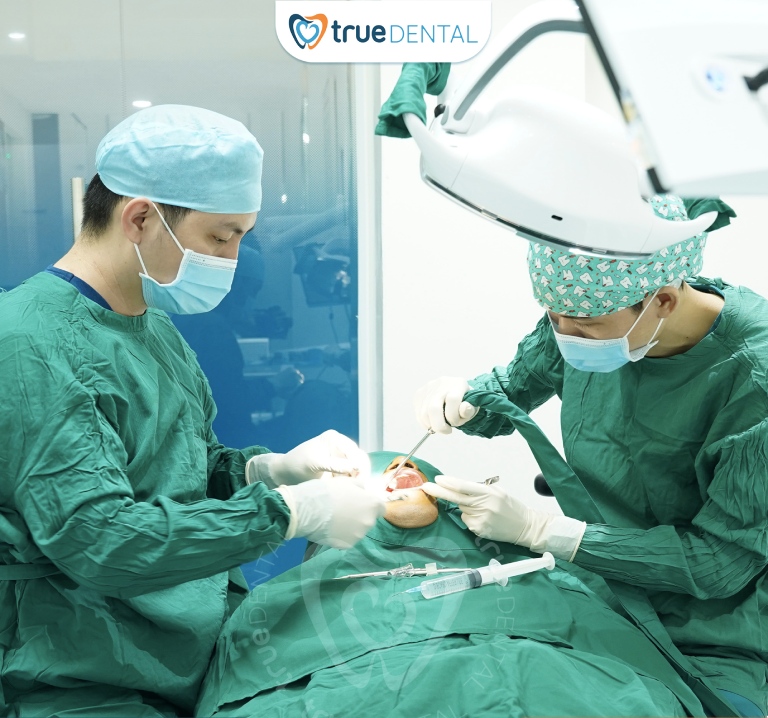
True Dental guarantees safe, gentle, and minimally invasive implant procedures performed directly by experienced specialists utilizing state-of-the-art digital technology.
READ MORE:
Dental implant placement after tooth extraction is an effective restorative solution that prevents alveolar bone loss and preserves long-term aesthetics. Selecting the optimal placement timing at an accredited dental clinic ensures safe, predictable results. Visit True Dental or contact us today to schedule your specialist consultation!

Sức Khỏe Răng Miệng
How long does it take to complete the process of getting dental implants?
Tooth replacement affects far more than just smile...
Sức Khỏe Răng Miệng
How much does it cost to replace a molar? Which method is most effective?
First and second molars—commonly referred to in Vietnamese...
Sức Khỏe Răng Miệng
How much does it cost to replace a single tooth? 2026 Price List
Tooth replacement is an effective restorative solution for...
Sức Khỏe Răng Miệng
Which country are Nobel dental implants from? How much do they cost?
Nobel Biocare dental implants stand out for rapid...
Sức Khỏe Răng Miệng
Straumann Dental Implants: Features, Origin, and Cost
Straumann dental implants are widely chosen by patients...
Sức Khỏe Răng Miệng
What are dental implants? When are dental implants needed?
Tooth loss affects far more than just smile...
Tôi đang tìm 1 Nha Khoa để điều trị cho tôi, nhưng rất lo lắng và sợ gặp phải NHA TẶC hoặc bị chèo kéo.
HÃY GIÚP TÔI TƯ VẤN THẬT
254 Điện Biên Phủ, Xuân Hòa, TP.HCM
HƯỚNG DẪN ĐƯỜNG ĐI