


 Tiếng Việt
 Русский
Are dental implants truly worth it? Dental implant placement is a safe, aesthetic, and permanent restorative modality that replicates natural tooth function by anchoring a biocompatible Titanium fixture directly into the jawbone. If you are considering this treatment, explore this comprehensive clinical guide from True Dental to make an informed decision.
Overview of Dental Implant Placement
Dental implant placement is an advanced prosthodontic procedure in which a medical-grade Titanium fixture is surgically placed into the alveolar bone to replace a missing tooth root, subsequently supporting a custom porcelain crown via a precision abutment. A complete implant restoration consists of three structural components—the Titanium fixture, the abutment, and the ceramic crown—recreating a natural tooth in both biomechanics and appearance.
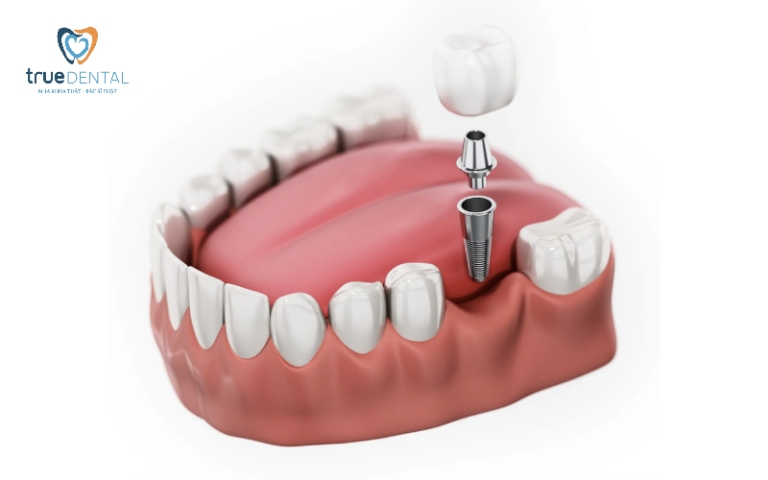
This protocol is indicated for single-tooth edentulism, multiple missing teeth, or full-arch rehabilitation, making it ideal for patients seeking a fixed prosthesis without compromising adjacent healthy teeth. The clinical workflow encompasses diagnostic imaging, fixture selection, surgical placement, biological osseointegration (typically 3 to 6 months), and definitive crown delivery.
Are Dental Implants Good?
Are dental implants good? Clinically, the answer is a resounding yes. Implantologists regard endosseous implants as the gold standard for tooth replacement, demonstrating documented osseointegration and long-term survival rates of 95% to 100%.
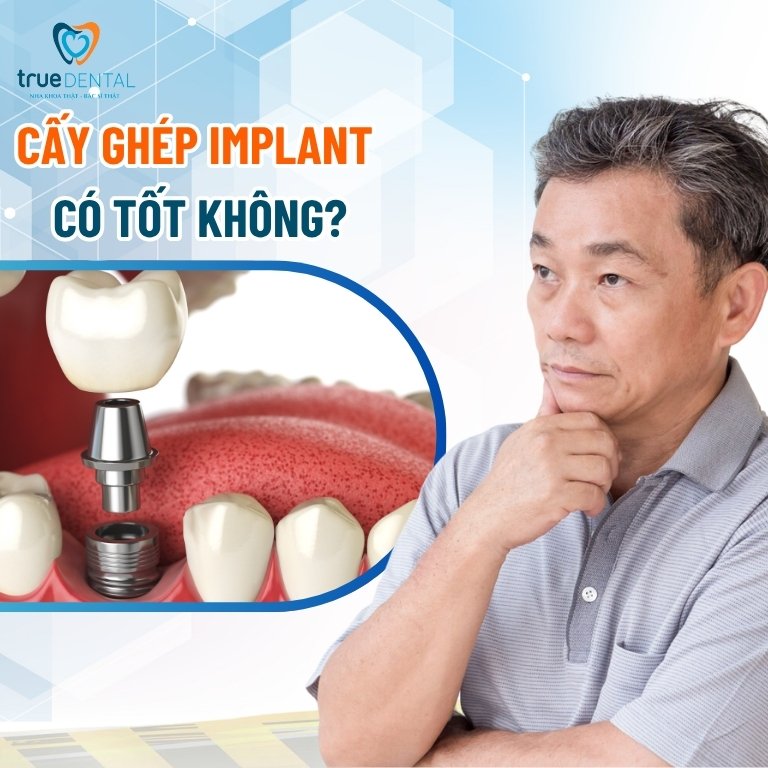
Because implants replace both the root and clinical crown, they restore near-natural masticatory force while stimulating the jawbone to prevent alveolar resorption and facial collapse. However, treatment involves a higher initial investment and a 3- to 6-month healing timeline, and must be performed at an accredited dental clinic equipped with modern diagnostic technology and experienced specialists to prevent infection, nerve injury, or non-integration.
What Are the Disadvantages of Dental Implants?
While widely recognized as the premier tooth replacement option, patients should carefully weigh several practical limitations prior to initiating treatment:
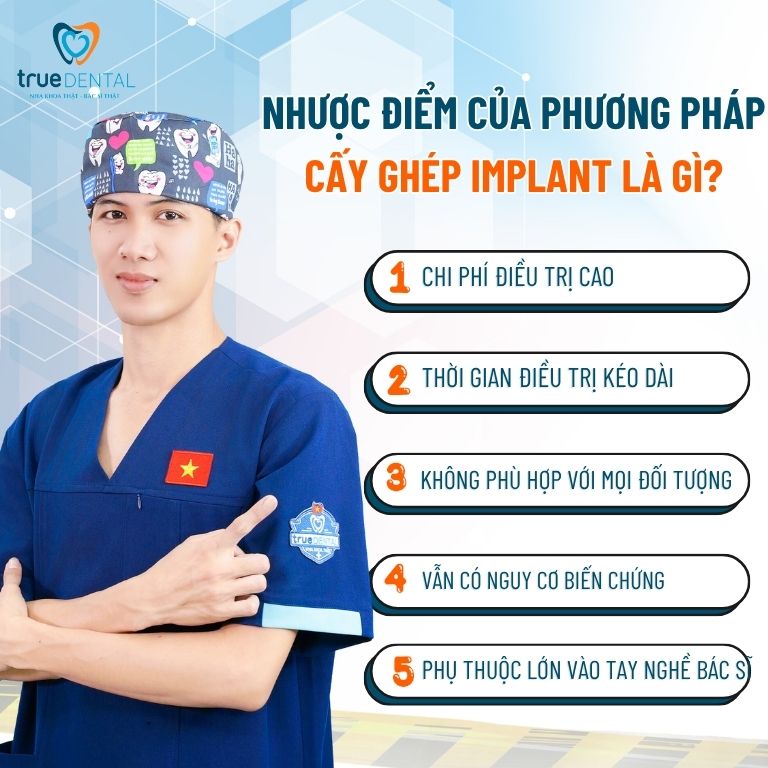
Higher Upfront Treatment Cost
Dental implant therapy requires a greater initial financial commitment than conventional removable dentures or fixed bridges. Total costs can range from tens of millions to over 100 million VND when preparatory bone grafting, sinus floor elevation, or multiple fixtures are required.
Extended Healing and Treatment Timeline
Standard implant rehabilitation spans 3 to 6 months to allow complete biological osseointegration between the Titanium fixture and host bone—making it unsuitable for patients seeking an instant, non-surgical solution.
Not Every Patient Is Immediately Eligible
Certain individuals—such as patients with uncontrolled systemic diseases (e.g., diabetes mellitus, severe cardiovascular disorders), adolescents with incomplete skeletal growth, or patients with severe ridge atrophy—may require medical stabilization, preliminary bone grafting, or alternative prostheses.
Risk of Complications Without Proper Aftercare
Inadequate post-operative plaque control or poor surgical execution can lead to peri-implant mucositis, peri-implantitis, crestal bone loss, or fixture mobility.
High Dependence on Clinician Skill and Technology
Predictable implant surgery demands advanced specialist training, 3D Cone Beam CT (CBCT) diagnostics, and strict aseptic protocols. Inaccurate 3D placement or lapses in sterilization can result in serious surgical complications.
Clinical Requirements for Successful Dental Implant Placement
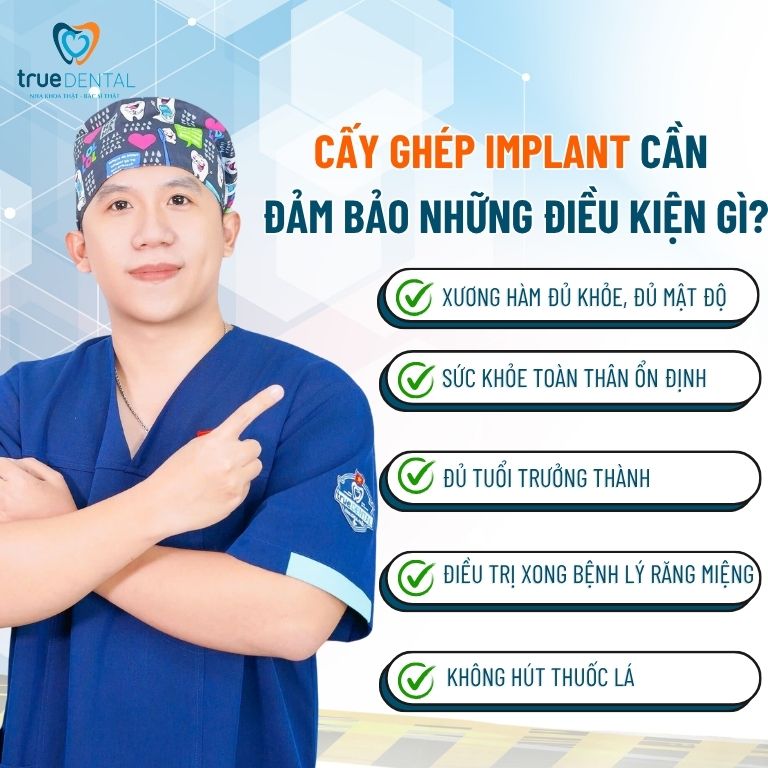
To achieve predictable osseointegration and long-term prosthetic stability, candidates should meet five core clinical criteria:
- Adequate Alveolar Bone Volume and Density: Sufficient ridge height, width, and trabecular density are necessary to anchor the fixture; severely resorbed ridges require preliminary bone augmentation.
- Stable Systemic Health: Chronic conditions such as diabetes mellitus, cardiovascular disease, coagulation disorders, or severe osteoporosis must be medically controlled prior to surgery.
- Skeletal Maturity (Age 18+): Candidates must be at least 18 years old with completed craniofacial and jawbone growth.
- Absence of Active Oral Infections: Gingivitis, periodontitis, and endodontic infections must be fully resolved before implant placement.
- Tobacco Cessation and Limited Alcohol Intake: Nicotine and alcohol impair microvascular perfusion and osteoblast activity, elevating complication rates.
Clinical Indications: When Should You Choose Dental Implants?
Dental implants are strongly recommended in the following clinical scenarios:
- Single Missing Tooth: Replaces an individual edentulous space without requiring irreversible enamel reduction of adjacent healthy teeth.
- Multiple Adjacent Missing Teeth: Multiple individual implants or an implant-supported bridge restores posterior or anterior spans with full chewing stability.
- Complete Edentulism (Upper, Lower, or Both Arches): Full-arch protocols such as All-on-4 and All-on-6 provide fixed, non-removable teeth with far greater stability and comfort than conventional dentures.
- Dissatisfaction with Removable Dentures: Ideal for patients seeking to eliminate denture slippage, palatal coverage, or adhesive reliance.
- Preserved Alveolar Bone Volume: Patients who seek prompt replacement shortly after tooth extraction often avoid costly bone grafting procedures.
- High Functional and Aesthetic Expectations: Delivers lifelike anterior aesthetics and natural bite force across the entire dental arch.
Contraindications: When Should Dental Implants Be Avoided or Deferred?
While dental implant therapy offers unmatched benefits, certain absolute or relative contraindications require deferring surgery or selecting an alternative treatment:
- Children and Adolescents Under 18 Years Old: Ongoing jawbone growth can cause an osseointegrated implant to become submerged or misaligned relative to erupting natural teeth.
- Pregnant or Lactating Women: Elective surgery, diagnostic radiation, local anesthetics, and post-operative antibiotics should be postponed until after pregnancy and lactation.
- Uncontrolled Chronic Systemic Diseases: Poorly controlled diabetes, severe cardiac pathology, uncontrolled hypertension, or bleeding disorders impair wound healing and elevate infection risks.
- Severe Psychiatric or Cognitive Disorders: Conditions that prevent patient cooperation during surgery or adherence to daily oral hygiene compromise safety and outcomes.
- Heavy Tobacco or Alcohol Dependence: Chronic nicotine exposure severely compromises bone healing and significantly increases early and late implant failure.
- Severe Bone Deficiency Without Grafting: Insufficient bone volume prevents primary fixture stability unless preliminary bone augmentation is performed.
- Active Cancer Therapy or Immunosuppression: Patients undergoing active chemotherapy, head-and-neck radiation therapy, or severe immunosuppressive regimens face high risks of osteoradionecrosis and infection.
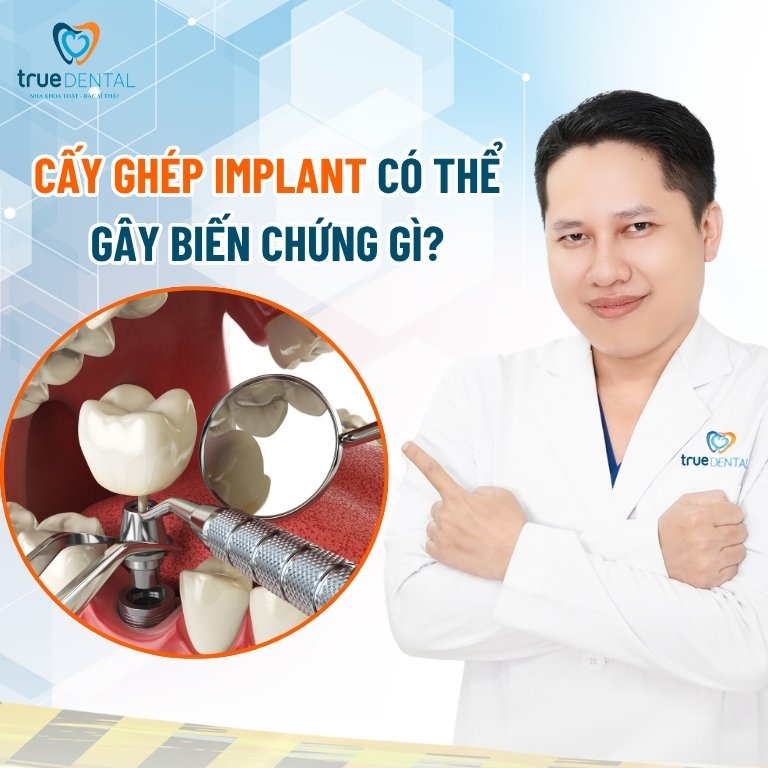
6 Potential Complications of Dental Implant Surgery
When surgical protocols or post-operative hygiene are compromised, six primary clinical complications may occur:
- Peri-Implantitis: Plaque-induced inflammation causing gingival erythema, bleeding on probing, and progressive crestal bone loss that can lead to fixture loss if untreated.
- Failure of Osseointegration: Occurs when fibrous tissue forms instead of direct bone-to-implant contact due to low bone density, smoking, systemic illness, or thermal bone trauma.
- Neurosensory Nerve Injury: Over-preparation in the posterior mandible can impinge on the inferior alveolar or mental nerve, causing paresthesia (numbness or tingling) of the lower lip or chin.
- Prolonged Post-Operative Swelling or Bleeding: Typically linked to vascular trauma, coagulation abnormalities, or poor post-surgical care.
- Fixture Malposition or Malocclusion: Improper 3D angulation can compromise prosthetic emergence profiles and generate destructive occlusal overload.
- Porcelain Crown Chipping or Fracture: Caused by excessive parafunctional forces (bruxism) or substandard restorative materials.
7 Essential Guidelines for Successful Dental Implant Treatment
Preparing thoroughly and adhering strictly to clinical guidance maximizes treatment success:
- Undergo Comprehensive Preoperative Diagnostics: Complete 3D Cone Beam CT imaging and oral evaluations to verify bone volume and anatomical safety.
- Select an Accredited Dental Implant Center: Choose a facility staffed by experienced implantologists utilizing sterile operating suites and certified implant systems.
- Abstain from Smoking and Alcohol: Stop smoking and limit alcohol for at least 1 month before and after surgery to support microvascular healing.
- Attend All Scheduled Follow-Up Appointments: Regular clinical and radiographic checks ensure early detection of peri-implant inflammation or occlusal imbalance.
- Maintain Meticulous Oral Hygiene: Brush gently with an extra-soft toothbrush, clean interproximally with implant floss or water flossers, and use prescribed antimicrobial rinses.
- Follow a Healing-Supportive Diet: Favor soft, lukewarm foods during initial healing and avoid hard, crunchy, or extreme-temperature foods over the surgical site.
- Disclose Your Complete Medical History: Inform your specialist of all systemic conditions, drug allergies, pregnancy status, and current medications (especially anticoagulants).
READ MORE:
Based on these clinical insights, dental implant placement stands out as a safe, effective, and lifelong tooth replacement modality when performed by skilled specialists at an accredited dental center. Understanding its benefits, limitations, and clinical requirements empowers you to pursue treatment with confidence.
If you are still wondering whether dental implants are right for you, schedule a comprehensive evaluation so our specialists can assess your oral and systemic health. Contact True Dental today for your complimentary consultation!

Sức Khỏe Răng Miệng
How long does it take to complete the process of getting dental implants?
Tooth replacement affects far more than just smile...
Sức Khỏe Răng Miệng
How much does it cost to replace a molar? Which method is most effective?
First and second molars—commonly referred to in Vietnamese...
Sức Khỏe Răng Miệng
How much does it cost to replace a single tooth? 2026 Price List
Tooth replacement is an effective restorative solution for...
Sức Khỏe Răng Miệng
Which country are Nobel dental implants from? How much do they cost?
Nobel Biocare dental implants stand out for rapid...
Sức Khỏe Răng Miệng
Straumann Dental Implants: Features, Origin, and Cost
Straumann dental implants are widely chosen by patients...
Sức Khỏe Răng Miệng
What are dental implants? When are dental implants needed?
Tooth loss affects far more than just smile...
Tôi đang tìm 1 Nha Khoa để điều trị cho tôi, nhưng rất lo lắng và sợ gặp phải NHA TẶC hoặc bị chèo kéo.
HÃY GIÚP TÔI TƯ VẤN THẬT
254 Điện Biên Phủ, Xuân Hòa, TP.HCM
HƯỚNG DẪN ĐƯỜNG ĐI