


 Tiếng Việt
 Русский
Dental implant placement is an effective restorative solution for missing teeth. However, if performed improperly, this procedure can lead to numerous severe clinical complications. This article provides a comprehensive overview of complications resulting from improper dental implant placement, as well as their underlying causes and effective preventive measures to give patients a clear understanding.
Overview of Dental Implant Technique
Dental implant placement is a method of replacing missing teeth by inserting a titanium fixture into the jawbone. The implant fixture serves as an artificial root. Once the fixture integrates with the bone, the clinician attaches an abutment and delivers a prosthetic ceramic crown. Consequently, the restored tooth achieves excellent masticatory function and aesthetics comparable to natural teeth.
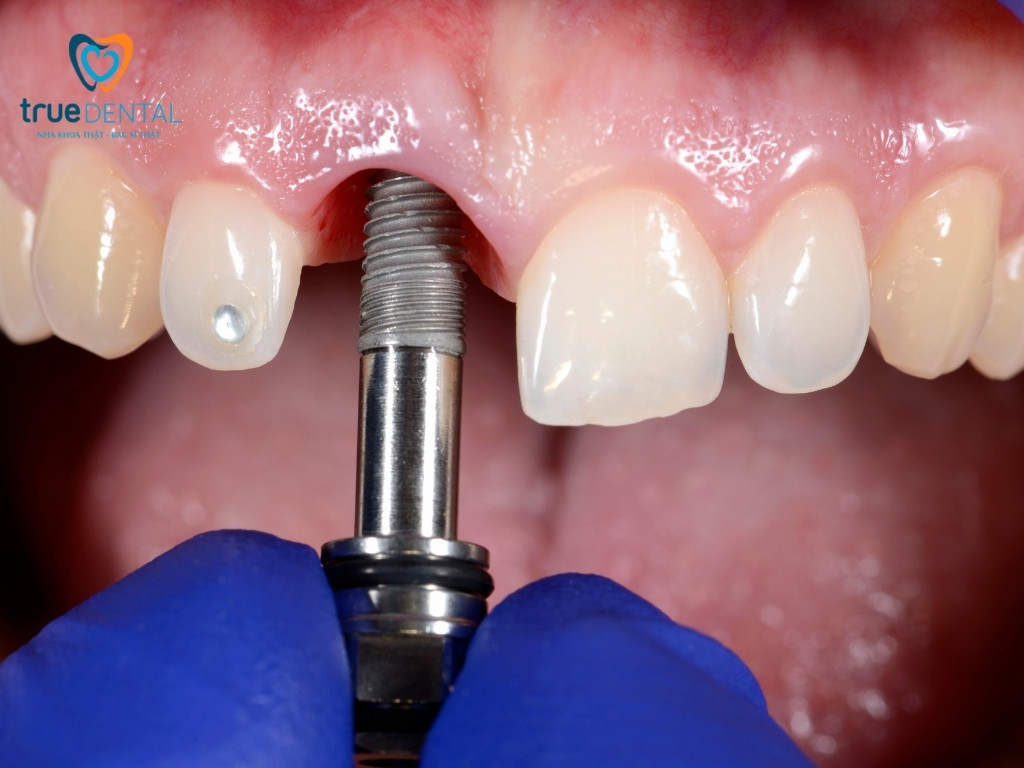
4 Reasons to Choose Dental Implant Placement:
- High Durability: With proper maintenance and oral hygiene, dental implants can last a lifetime.
- Optimal Masticatory Function: The implant fixture integrates rigidly into the jawbone, restoring chewing capability equivalent to natural teeth.
- Aesthetic Appearance: Prosthetic crowns are crafted to mirror natural tooth morphology, delivering a seamless smile.
- Prevention of Jawbone Resorption: Implant placement maintains bone density, preventing alveolar ridge resorption caused by tooth loss.
READ MORE: WHY SOME PATIENTS REGRET GETTING DENTAL IMPLANTS
Common Complications of Improper Dental Implant Surgery
Although regarded as a safe and highly predictable tooth replacement method, dental implant surgery still carries risks of clinical complications if performed incorrectly or if patients fail to follow post-operative care instructions. These complications can severely impact oral health, requiring substantial time and financial outlay to manage.
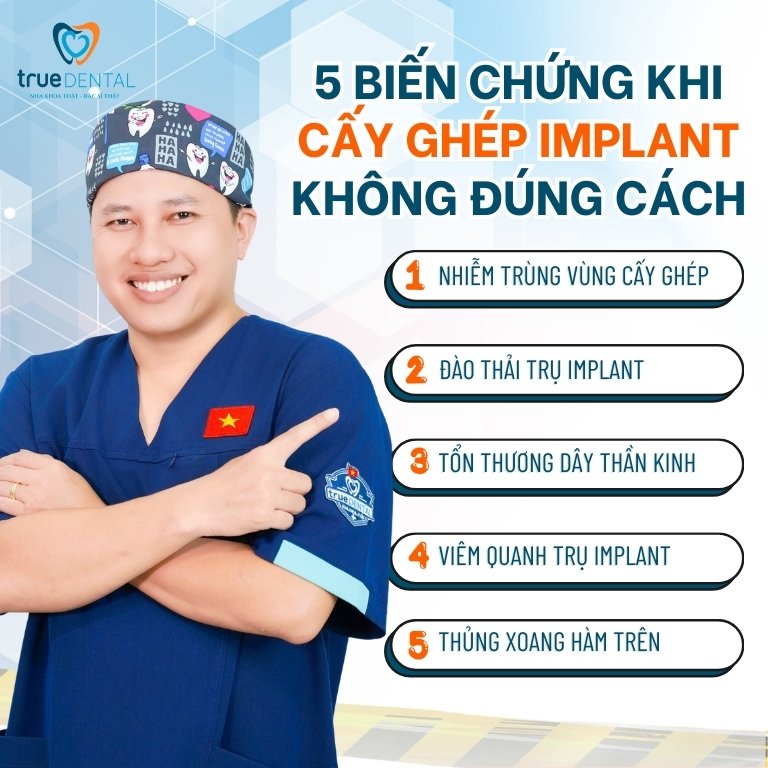
Below are common clinical complications that patients should be aware of for proactive prevention and timely management:
Surgical Site Infection
Infection at the implant osteotomy site is a frequent complication when surgery occurs in an environment lacking strict aseptic conditions or when non-sterile surgical instruments are utilized. In these scenarios, bacteria invade the peri-implant soft tissue or host bone, triggering acute inflammation.
Clinical signs of surgical site infection include localized erythema, edema, persistent pain, purulent discharge, and low-grade fever. Without early intervention, infection can spread, causing osteomyelitis and complete loss of fixture integration.
Implant Fixture Rejection (Failure of Osseointegration)
Fixture rejection is a severe complication occurring when host jawbone fails to integrate with the implant. Causes include sub-standard fixture quality, peri-implant infection, poor patient oral hygiene and diet, or surgical errors in trajectory and placement.
Neurovascular Damage
If an implant fixture is over-prepared or misplaced, it can impinge upon adjacent nerve trunks (such as the inferior alveolar nerve), resulting in paresthesia, dysesthesia, or persistent numbness of the lip and chin. This represents a severe surgical error that may cause permanent nerve impairment if not addressed promptly.
Peri-Implantitis
Peri-implantitis is an inflammatory condition affecting the soft tissue and supporting bone around an osseointegrated fixture. Primary causes include inadequate oral hygiene, poor diet, or tobacco smoking. Left untreated, progressive bone loss leads to implant mobility and ultimate fixture failure.
Maxillary Sinus Perforation
During upper posterior implant placement, improper evaluation of maxillary sinus anatomy can lead to sinus floor perforation by the drill or fixture, causing maxillary sinusitis, headaches, and infection. In severe instances, the implant fixture may displace into the sinus cavity, requiring open surgical retrieval.
Root Causes of Dental Implant Complications
To achieve predictable surgical outcomes, adhering to a medically standardized implant protocol is paramount. However, surgical procedures do not always progress without incident. Complications depend not only on surgical technique but also on patient systemic health, hardware quality, and clinician expertise.
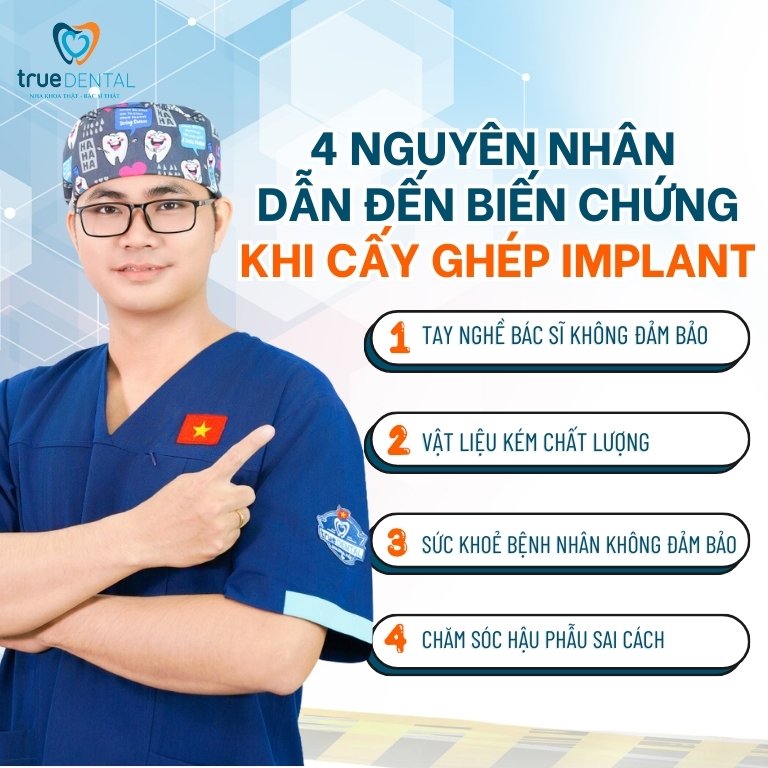
Below are the primary causes leading to dental implant complications that patients should evaluate carefully:
- Inadequate Clinician Surgical Expertise: Implantology requires advanced clinical training and extensive surgical experience. Inexperienced or improperly trained clinicians may commit technical errors during surgery, triggering severe complications.
- Sub-Standard or Non-Certified Materials: Using low-quality or non-certified implant fixtures significantly increases the risk of fixture failure and non-integration. Unverified fixtures also elevate infection rates, requiring extreme caution.
- Uncontrolled Systemic Patient Health: Patients with compromised systemic health (such as uncontrolled diabetes, severe osteoporosis, or heavy tobacco smoking) face higher complication rates due to impaired bone healing and compromised osseointegration.
- Improper Post-Operative Management: Failure to follow post-surgical care instructions—such as maintaining poor oral hygiene or chewing hard foods over the surgical site—increases risks of infection and fixture instability.
Prevention and Management of Implant Complications
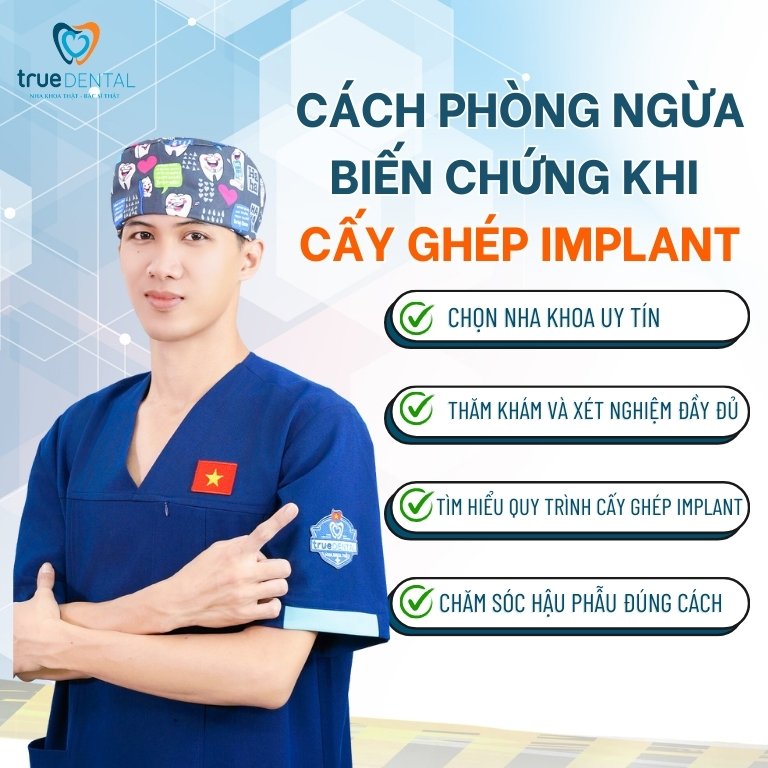
By understanding preventive protocols and recognizing warning signs following implant placement, patients can minimize risks and safeguard their health. Recommended preventive measures include:
- Selecting an Accredited Dental Center: Choose a facility staffed by certified implant specialists and equipped with modern surgical technology. True Dental is a leading center specializing in GST Biological Dental Implant placement utilizing AI surgical guides to accurately place fixtures via a flapless approach, minimizing surgical trauma and complications.
- Pre-Operative Systemic & Radiological Evaluation: At reputable dental centers, patients undergo mandatory pre-surgical diagnostic evaluations to confirm surgical candidacy. Patients receive panoramic X-rays and Cone Beam CT scans to assess jawbone density and architecture, alongside blood screenings to rule out systemic or infectious contraindications.
- Verifying Standardized Surgical Protocols: Ensure your chosen clinic strictly follows medically standardized implant workflows under sterile, aseptic operating conditions using state-of-the-art equipment.
- Rigorous Post-Operative Oral Hygiene: Post-surgery, perform gentle brushing, use prescribed antimicrobial rinses, avoid hard/chewy foods, abstain from smoking, and follow rest protocols advised by your clinician. Attend scheduled follow-up visits so your clinician can monitor healing and manage any early signs of complication.
Furthermore, if you experience persistent pain, severe swelling, redness, or fixture mobility, contact your clinician immediately for evaluation and treatment.
Understanding potential complications of improper dental implant placement enables better preparation and risk avoidance. For further inquiries regarding implant techniques, contact True Dental today via hotline 090 6636 456.

Sức Khỏe Răng Miệng
How long does it take to complete the process of getting dental implants?
Tooth replacement affects far more than just smile...
Sức Khỏe Răng Miệng
How much does it cost to replace a molar? Which method is most effective?
First and second molars—commonly referred to in Vietnamese...
Sức Khỏe Răng Miệng
How much does it cost to replace a single tooth? 2026 Price List
Tooth replacement is an effective restorative solution for...
Sức Khỏe Răng Miệng
Which country are Nobel dental implants from? How much do they cost?
Nobel Biocare dental implants stand out for rapid...
Sức Khỏe Răng Miệng
Straumann Dental Implants: Features, Origin, and Cost
Straumann dental implants are widely chosen by patients...
Sức Khỏe Răng Miệng
What are dental implants? When are dental implants needed?
Tooth loss affects far more than just smile...
Tôi đang tìm 1 Nha Khoa để điều trị cho tôi, nhưng rất lo lắng và sợ gặp phải NHA TẶC hoặc bị chèo kéo.
HÃY GIÚP TÔI TƯ VẤN THẬT
254 Điện Biên Phủ, Xuân Hòa, TP.HCM
HƯỚNG DẪN ĐƯỜNG ĐI