

 Tiếng Việt
 Русский
Proper post-operative oral hygiene and care following dental implant surgery are key factors determining the overall success of the restorative procedure and the long-term lifespan of the implant fixture. Improper management may lead to complications such as prolonged swelling and pain, persistent bleeding, surgical site infection, or soft tissue trauma. Below, True Dental provides a comprehensive guide on proper post-implant care to ensure optimal clinical outcomes.
Risks of Improper Oral Care Following Dental Implant Placement
Inadequate post-operative care following dental implant placement can result in severe clinical complications, directly impacting treatment predictability and overall oral health. Below are common risks associated with non-compliance to post-surgical instructions:

Prolonged Swelling and Pain
Mild swelling and discomfort following implant surgery are expected inflammatory responses. However, if these symptoms persist excessively or escalate in severity, they may indicate a surgical site infection or an severe inflammatory reaction.
Failure to implement proper post-operative care, such as neglecting cold therapy or applying incorrect oral hygiene techniques, prevents effective management of pain and edema, resulting in patient discomfort and delayed wound healing. To mitigate these issues, patients must strictly adhere to post-operative instructions, including cold compress application and prescribed analgesic administration.
Persistent Post-Operative Bleeding
Minor oozing within the first 24 hours post-surgery is clinically normal. However, continuous active bleeding or excessive blood loss usually indicates mechanical trauma to the surgical site or improper post-operative management.
Persistent bleeding often occurs when patients fail to follow dietary restrictions or apply excessive mechanical force to the surgical site. To arrest bleeding effectively, proper post-implant care is essential, including firm pressure on a sterile gauze pad and avoidance of mechanical disruption to the surgical area.
Surgical Site Infection
Infection represents a significant surgical risk when post-operative oral hygiene is compromised. Poor oral care permits bacterial colonization at the surgical site, leading to peri-implant mucositis or peri-implantitis. Consequently, the implant fixture may suffer failure of osseointegration or total rejection, leading to treatment failure.
To prevent post-surgical infection, patients must execute proper oral hygiene protocols, including gentle rinsing with diluted saline or prescribed antimicrobial chlorhexidine solutions as directed by the clinician.
Trauma to Adjacent Soft Tissues
Improper oral care post-surgery can also cause mechanical damage to surrounding peri-implant soft tissues. Palpating the surgical site with fingers or inadequate hygiene practices can introduce pathogens or cause tissue laceration. This delays primary wound closure and may trigger more complex clinical complications.
Comprehensive Guidelines for Post-Implant Oral Hygiene and Management
Executing proper oral hygiene post-implant surgery is a decisive factor in securing primary stability, uneventful healing, and long-term survival of the implant fixture. Non-compliance with clinical guidelines exposes patients to severe complications. Below are essential post-operative care steps:

Hemostasis Post-Implant Placement
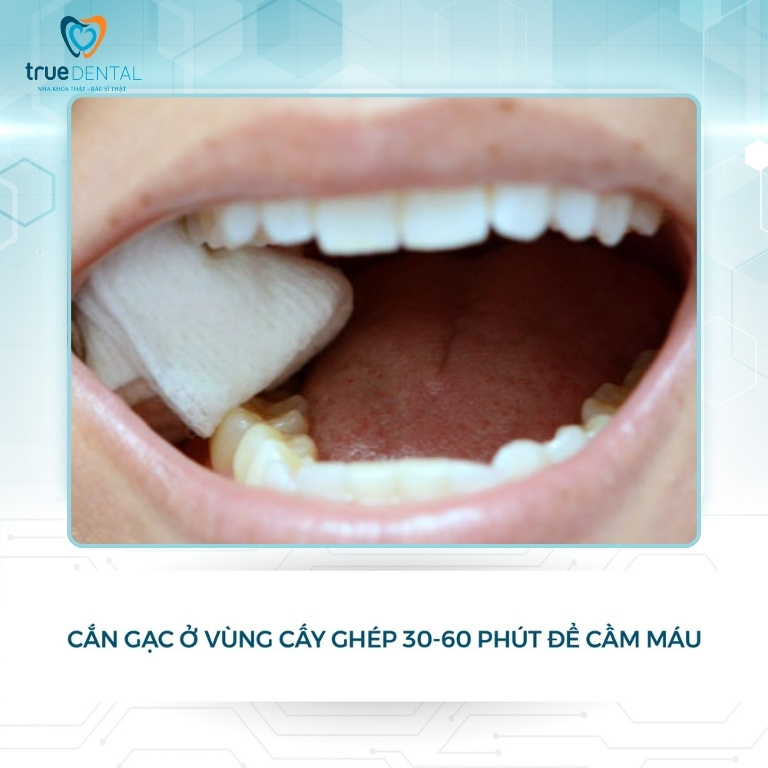
Immediately following surgery, the clinician will place a sterile gauze pack over the surgical site to facilitate clot formation. Maintain firm biting pressure on the gauze for 30 to 60 minutes. If minor oozing persists after this period, apply a fresh sterile gauze pad with firm pressure for an additional 30 minutes. If active bleeding continues unresolved, contact the dental clinic immediately for clinical evaluation.
Cold Therapy for Pain and Edema Reduction
During the initial 48 hours post-surgery, apply ice packs externally to the extraoral facial area adjacent to the surgical site to minimize edema and discomfort. Apply cold packs for 15–20 minutes per session, intermittent with 30–45 minute rest intervals. Cold therapy effectively induces localized vasoconstriction and suppresses tissue inflammation. Avoid direct contact between ice and bare skin; wrap the ice pack in a clean towel to prevent thermal tissue injury.
Dietary Management
Within the first 24 hours post-operatively, limit intake to soft, liquid-to-semi-liquid foods at cool temperatures, such as porridge, smooth soups, and milk, while avoiding hot, spicy, or highly seasoned foods. Soft diets promote easy digestion without mechanical or thermal irritation to the surgical wound. Avoid hard, crunchy, or chewy foods, and refrain from masticating directly over the implant site. Do not use drinking straws, as the suction pressure generated within the oral cavity can dislodge blood clots and reactivate bleeding.

Rest and Physical Activity Modification
Following surgery, prioritize rest and refrain from strenuous physical exertion or heavy lifting for at least the first 48 hours to prevent elevated blood pressure, which can induce bleeding and delay tissue repair. Keep your head elevated on extra pillows while resting to reduce microvascular pressure, edema, and localized swelling. Avoid activities that exert muscular tension on facial or perioral tissues.
Routine Oral Hygiene and Surgical Site Monitoring
After the initial 24 hours, gentle oral rinsing may commence using a diluted saline solution or a 0.12% chlorhexidine gluconate antimicrobial rinse as prescribed by your clinician. To safeguard the surgical wound, use a soft-bristled toothbrush for adjacent dentition, employing extremely gentle strokes.
Avoid direct mechanical contact between toothbrush bristles and the surgical site during the initial healing days. Following meal consumption, rinse gently with clean water to flush out food debris and maintain surgical site cleanliness.
Scheduled Clinical Follow-Up Visits
Attending scheduled follow-up appointments with your dental specialist is vital for monitoring soft tissue healing and assessing early osseointegration. A post-operative review is typically scheduled 7 to 10 days after surgery for suture removal (if non-resorbable) and tissue evaluation. Your clinician will provide refined, stage-specific oral hygiene instructions during each clinical review.
Abstinence from Smoking and Alcohol Consumption
Tobacco smoking and alcohol consumption significantly impair peripheral microcirculation, compromise immune responses, and dramatically increase the incidence of wound dehiscence, peri-implant infection, and implant failure/rejection. Patients are strongly advised to abstain from tobacco and alcohol for a minimum of 2 weeks post-surgery. Prolonged abstinence yields the highest surgical success rates and protects long-term oral health.

Post-Operative Care Protocol for Implants Combined with Sinus Augmentation or Bone Grafting
Dental implant placement performed in conjunction with sinus floor elevation or alveolar ridge bone grafting involves complex surgical protocols requiring rigorous post-operative management to ensure predictable clinical outcomes. Proper compliance following these advanced surgical procedures promotes uneventful tissue regeneration and safeguards long-term peri-implant stability.
Post-Operative Care Following Sinus Elevation (Sinus Lift)
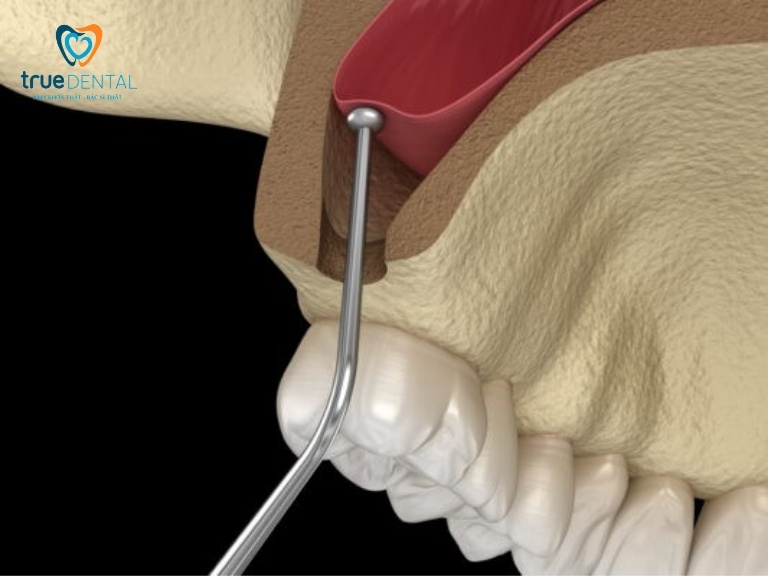
Sinus floor elevation creates adequate vertical bone height for fixture anchorage when maxillary bone volume is deficient. Post-surgical compliance is critical to protect the schneiderian membrane and prevent sinus complications.
- Avoid Forceful Nose Blowing for the Initial 2 Weeks
Following sinus elevation, sudden fluctuations in intra-sinus pressure can disrupt the augmented graft site or tear the membrane. Avoid blowing your nose forcefully for at least 2 weeks post-operatively to facilitate uninterrupted tissue graft healing.
- Strictly Avoid Drinking Straws
Do not use drinking straws for at least 2 weeks post-surgery. Negative intraoral suction pressure can exert stress on the surgical site, risking graft disturbance, implant micromotion, or recurrent hemorrhage. Consume fluids directly from an open cup or glass.
- Gentle Oral Rinsing Protocols
Perform gentle oral rinses using diluted saline or mild antimicrobial solutions after meals to maintain surgical site hygiene. Avoid vigorous swishing, as hydro-mechanical pressure can disturb the healing surgical site following sinus augmentation.
- Protection from Mechanical Trauma
Protect the surgical region from mechanical impact for the first 2 to 3 weeks. Refrain from masticating hard food items on the operated side to preserve graft integrity and initial fixture stability.
Post-Operative Care Following Alveolar Bone Grafting
Alveolar bone grafting augments deficient host bone to establish structural support for implant fixtures. Following bone graft procedures, specific precautions are necessary to support uneventful bone regeneration.

- Maintain Pressure Gauze for 60 to 90 Minutes Post-Op
Following bone augmentation, maintain firm pressure on the sterile gauze pack for 1 to 1.5 hours to achieve effective hemostasis and stabilize the surgical flap over the graft material.
- Fast for the Initial 1 to 2 Hours Post-Surgery
Refrain from all food and beverage intake for the first 1 to 2 hours post-operatively to allow primary blood clot stabilization and avoid surgical site disturbance.
- Avoid Forceful Sneezing or Nose Blowing
Avoid forceful nose blowing or sneezing with a closed mouth, as pressure changes can compromise graft stabilization. If sneezing is unavoidable, sneeze with an open mouth to dissipate intraoral and sinus pressure.
- Apply Intermittent Cold Therapy for the First 48 Hours
Apply cold packs extraorally over the grafted site for 15–20 minutes per session, followed by 30-minute rest intervals, throughout the initial 48 hours. Cold therapy effectively minimizes post-surgical swelling and localized tissue inflammation.
READ MORE:
Rigorous adherence to proper post-operative oral care protocols following dental implant surgery is the key determinant of overall clinical success. Always follow your clinician’s post-operative instructions carefully to maintain optimal oral health and maximize the functional lifespan of your implant restoration. Contact True Dental today if you require personalized advice regarding post-implant hygiene, dietary planning, or clinical management!

Sức Khỏe Răng Miệng
How long does it take to complete the process of getting dental implants?
Tooth replacement affects far more than just smile...
Sức Khỏe Răng Miệng
How much does it cost to replace a molar? Which method is most effective?
First and second molars—commonly referred to in Vietnamese...
Sức Khỏe Răng Miệng
How much does it cost to replace a single tooth? 2026 Price List
Tooth replacement is an effective restorative solution for...
Sức Khỏe Răng Miệng
Which country are Nobel dental implants from? How much do they cost?
Nobel Biocare dental implants stand out for rapid...
Sức Khỏe Răng Miệng
Straumann Dental Implants: Features, Origin, and Cost
Straumann dental implants are widely chosen by patients...
Sức Khỏe Răng Miệng
What are dental implants? When are dental implants needed?
Tooth loss affects far more than just smile...
Tôi đang tìm 1 Nha Khoa để điều trị cho tôi, nhưng rất lo lắng và sợ gặp phải NHA TẶC hoặc bị chèo kéo.
HÃY GIÚP TÔI TƯ VẤN THẬT
254 Điện Biên Phủ, Xuân Hòa, TP.HCM
HƯỚNG DẪN ĐƯỜNG ĐI