


 Tiếng Việt
 Русский
Dental implant placement is recognized as the optimal restorative solution for replacing missing teeth. However, how long after a tooth extraction can dental implant surgery be performed? This comprehensive article will help patients understand the clinical indications for dental implants and the ideal post-extraction healing timelines for surgical placement.
Clinical Indications for Dental Implant Placement
Dental implant placement is a restorative procedure offering superior biomechanical and aesthetic outcomes. Below are key clinical scenarios where dental implant therapy is indicated:
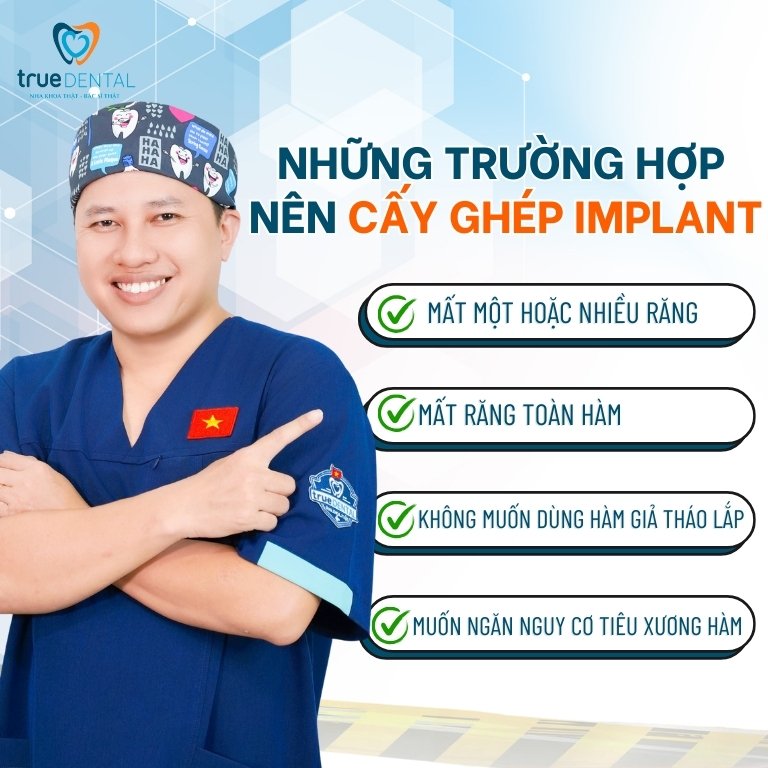
- Single or Multiple Missing Teeth: Tooth loss caused by aging, trauma, severe dental caries, or advanced periodontitis not only compromises masticatory function but also impairs facial aesthetics. Dental implants restore missing teeth with superior aesthetic harmony and chewing efficiency comparable to natural dentition.
- Complete Edentulism (Full-Arch Tooth Loss): For patients missing all teeth in one or both arches, implant therapy delivers transformative functional rehabilitation. Multiple implant fixtures are surgically anchored into the jawbone to establish a rigid foundation for a full-arch fixed prosthesis, restoring natural chewing force and facial profile.
- Alternative to Removable Dentures: Many edentulous patients experience discomfort, mucosal irritation, or instability with conventional removable dentures. Implant-supported restorations provide a permanent, fixed alternative that feels and functions like natural teeth without the risk of dislodgement or slippage.
- Prevention of Progressive Jawbone Resorption: Following tooth extraction, the alveolar ridge undergoes continuous bone resorption due to the lack of functional loading. Endosseous implant fixtures transmit physiological occlusal forces into the bone, stimulating bone remodeling and preserving alveolar bone volume.
READ MORE: ESSENTIAL HEALTH REQUIREMENTS FOR DENTAL IMPLANT SURGERY YOU SHOULD KNOW
How Long After Tooth Extraction Can Dental Implants Be Placed?
A common question among patients visiting True Dental is: “How long after a tooth extraction can I receive a dental implant?” In clinical practice, determining the optimal timing for post-extraction implant placement depends on individual oral and systemic health parameters.
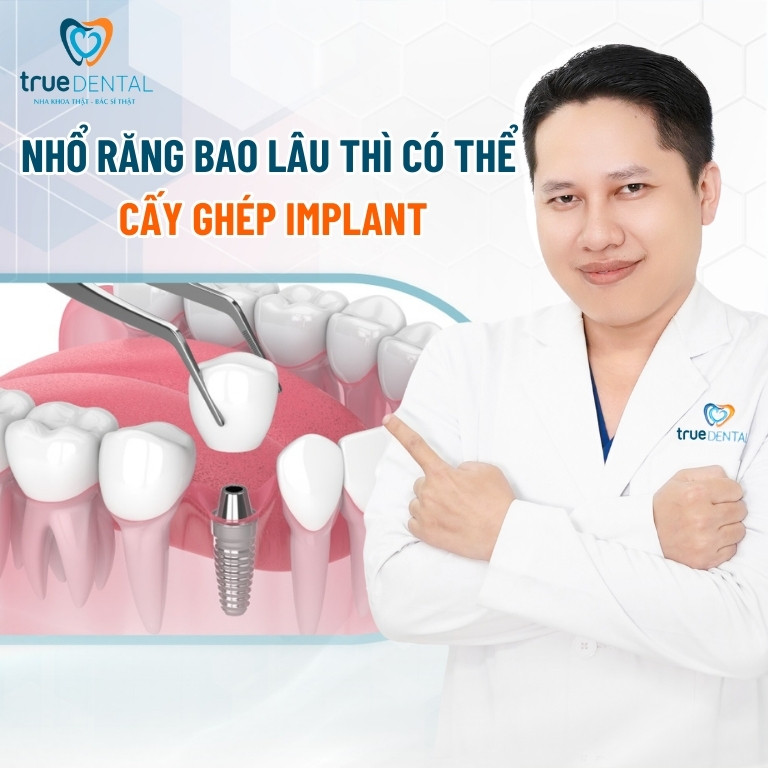
Critical factors such as residual alveolar bone volume, soft tissue healing capacity, and systemic health conditions directly influence the ideal placement timeline. Depending on the clinical presentation, implant placement generally falls into one of the following four timing protocols:
Immediate Implant Placement (Same-Day Post-Extraction)
In selected clinical cases, dental implant fixtures can be placed immediately into the fresh extraction socket during the same surgical appointment. Immediate placement offers significant advantages, including condensed overall treatment timelines, preservation of gingival architecture, and reduced alveolar ridge resorption.
However, immediate implant placement demands advanced surgical skill and extensive clinical experience. Achieving primary mechanical stability within an extraction socket requires precise 3D osteotomy trajectory to ensure predictable osseointegration and prevent complications. Therefore, immediate placement is strictly reserved for patients meeting specific anatomical and systemic criteria.
Clinical Criteria for Immediate Post-Extraction Implant Placement:
- Adequate Alveolar Bone Volume and Density: Sufficient apical and palatal/lingual bone thickness must be present to secure rigid primary fixture stability.
- Favorable Systemic Health: Patients must be free from unmanaged systemic pathologies such as uncontrolled diabetes, severe cardiovascular disease, or immunocompromised conditions.
- Absence of Acute Periapical Infection: The extraction socket must be free of acute purulent infection or active inflammatory lesions to prevent post-operative implant failure.
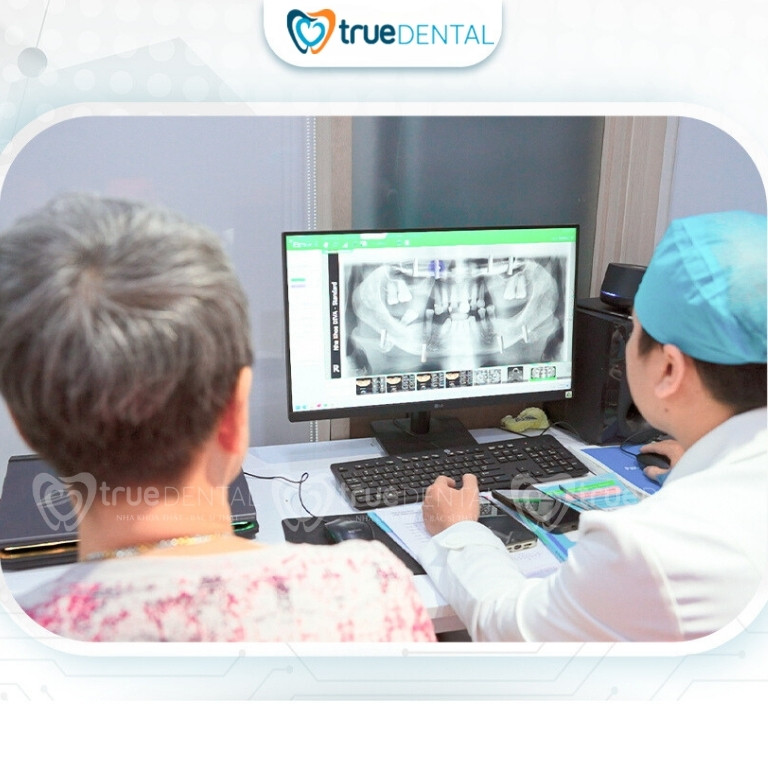
The immediate placement protocol begins with a comprehensive clinical and radiographic evaluation. Specialists utilize panoramic X-rays and Cone Beam CT (CBCT) imaging to assess cortical thickness and trabecular bone density, confirming candidacy for immediate surgery.
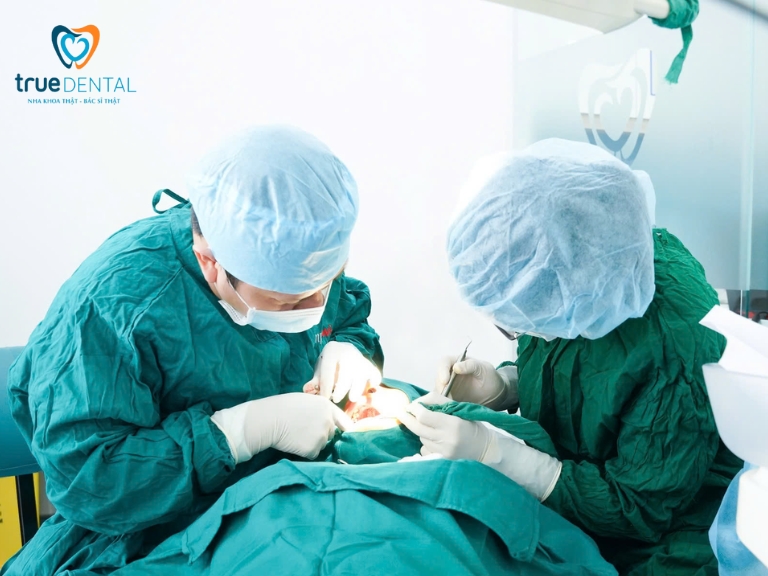
During surgery, the clinician performs an atraumatic extraction and thorough socket debridement to eliminate any residual granulation tissue. The implant fixture is then inserted into the prepared osteotomy, and when primary stability thresholds are met, an immediate provisional crown may be delivered to maintain aesthetics and soft tissue contours during osseointegration.
Early Implant Placement (1–2 Months Post-Extraction)
In many clinical scenarios, the optimal window for implant placement is 4 to 8 weeks (1–2 months) following tooth extraction. During this timeframe, complete soft tissue closure has occurred, providing thick keratinized mucosa for tension-free flap closure and primary wound healing.
Waiting 1–2 months allows acute inflammatory processes to resolve completely, significantly lowering the risk of surgical site infection. Furthermore, initial bundle bone remodeling stabilizes the ridge, providing a predictable biological foundation for successful osseointegration.
Compared to immediate placement, this early protocol extends the overall treatment timeline slightly and requires diligent oral hygiene during the healing phase to prevent plaque accumulation and localized bone remodeling.
Early implant placement yields high long-term survival rates, provided it is executed by a licensed implant specialist with comprehensive clinical training.
Delayed Implant Placement (3–4 Months Post-Extraction)
While immediate or early protocols suit many cases, certain clinical presentations require a healing interval of 3 to 4 months prior to implant surgery, specifically in the following situations:
When an extracted tooth presents with an acute periapical abscess or severe localized infection, clinicians mandate a 3–4 month healing period to ensure complete microbial clearance and bone fill. Placing an implant into an infected socket risks spreading osteomyelitis, compromising osseointegration, and causing early fixture rejection. Allowing sufficient time ensures complete soft and hard tissue stabilization.
Patients presenting with untreated oral diseases—such as generalized periodontitis or gingivitis—or systemic conditions (including poorly controlled diabetes mellitus, cardiovascular disorders, or autoimmune deficiencies) require pre-surgical stabilization.
These pathologies impair microvascular perfusion, delay wound healing, and compromise osseointegration. In such instances, implant surgery is deferred until periodontal health is restored and systemic parameters are medically cleared.
In certain anatomical sites, restricted mesiodistal space or deficient keratinized gingiva precludes immediate fixture insertion. Clinicians utilize this 3–4 month window to perform soft tissue conditioning or orthodontic space opening, ensuring safe, accurate 3D fixture placement.
A 3–4 month interval allows substantial woven bone formation within the extraction socket. Adequate bone maturation is vital; placing a fixture prematurely into immature bone compromises mechanical stability and increases the risk of implant failure.
Late Implant Placement (6 Months or More Post-Extraction)
In complex clinical cases involving severe alveolar ridge atrophy, extensive periodontal bone destruction, or staged regenerative surgeries, implant placement is scheduled 6 months or longer post-extraction. Common clinical indications include:
- Soft Tissue Augmentation: When keratinized gingiva is severely deficient, a free gingival or connective tissue graft is performed first to establish a thick mucosal seal around the future implant collar.
- Resolution of Severe Odontogenic Infections: Extensive cystic lesions or chronic osteomyelitis require thorough surgical debridement and a 6-month bone healing period prior to fixture insertion.
- Systemic Medical Stabilization: Patients managing complex systemic conditions (such as uncontrolled diabetes or osteoporosis therapy) require medical optimization before undergoing elective implant surgery.
- Staged Bone Grafting (Guided Bone Regeneration / Sinus Lift): When residual alveolar bone height or width is inadequate, bone augmentation must be performed first, requiring approximately 6 months for graft maturation and vascularization before implant placement.
- Advanced Periodontal Bone Loss: Teeth extracted due to terminal periodontitis often leave severe vertical osseous defects that require regenerative stabilization prior to implant therapy.
In summary, determining the ideal timing for post-extraction dental implant placement depends on multiple clinical variables, primarily residual bone volume, soft tissue biotype, and systemic health status. To receive an accurate diagnostic assessment and personalized treatment timeline, contact True Dental today via hotline 090 6636 456 for a complimentary specialist consultation.

Sức Khỏe Răng Miệng
How long does it take to complete the process of getting dental implants?
Tooth replacement affects far more than just smile...
Sức Khỏe Răng Miệng
How much does it cost to replace a molar? Which method is most effective?
First and second molars—commonly referred to in Vietnamese...
Sức Khỏe Răng Miệng
How much does it cost to replace a single tooth? 2026 Price List
Tooth replacement is an effective restorative solution for...
Sức Khỏe Răng Miệng
Which country are Nobel dental implants from? How much do they cost?
Nobel Biocare dental implants stand out for rapid...
Sức Khỏe Răng Miệng
Straumann Dental Implants: Features, Origin, and Cost
Straumann dental implants are widely chosen by patients...
Sức Khỏe Răng Miệng
What are dental implants? When are dental implants needed?
Tooth loss affects far more than just smile...
Tôi đang tìm 1 Nha Khoa để điều trị cho tôi, nhưng rất lo lắng và sợ gặp phải NHA TẶC hoặc bị chèo kéo.
HÃY GIÚP TÔI TƯ VẤN THẬT
254 Điện Biên Phủ, Xuân Hòa, TP.HCM
HƯỚNG DẪN ĐƯỜNG ĐI