


 Tiếng Việt
 Русский
Dental implant mobility is a serious clinical complication that compromises both masticatory function and dental aesthetics. Therefore, whether preparing for dental implant surgery or managing an existing restoration, patients should thoroughly understand the root causes and clinical management of implant mobility to ensure timely prevention and intervention.
What Is Dental Implant Mobility?
Dental implant placement is a highly effective restorative solution for replacing missing teeth, restoring both natural chewing efficiency and facial aesthetics. A complete dental implant assembly consists of an endosseous titanium fixture surgically anchored into the jawbone, coupled to an overlying prosthetic porcelain crown via a connecting abutment.
However, following surgical placement or prosthetic loading, some patients may experience mobility in their dental implant restoration. Any degree of mobility in a dental implant is abnormal and requires immediate clinical evaluation by an implant specialist.

Implant mobility typically stems from failed osseointegration between the implant fixture and the host jawbone, mechanical screw loosening, or localized peri-implant infection. Left unaddressed, mobility can progress to localized pain, gingival swelling, loss of chewing ability, and severe bone destruction. Consequently, patients must seek immediate specialist care upon noticing any movement.
READ MORE: 5 ESSENTIAL POST-OPERATIVE CARE TIPS FOR DENTAL IMPLANTS TO ACCELERATE HEALING
Root Causes of Dental Implant Mobility
Several distinct biological and biomechanical factors can lead to dental implant mobility. Understanding these underlying causes enables patients to adopt effective preventive measures, avoiding costly revisions while safeguarding oral and systemic health.
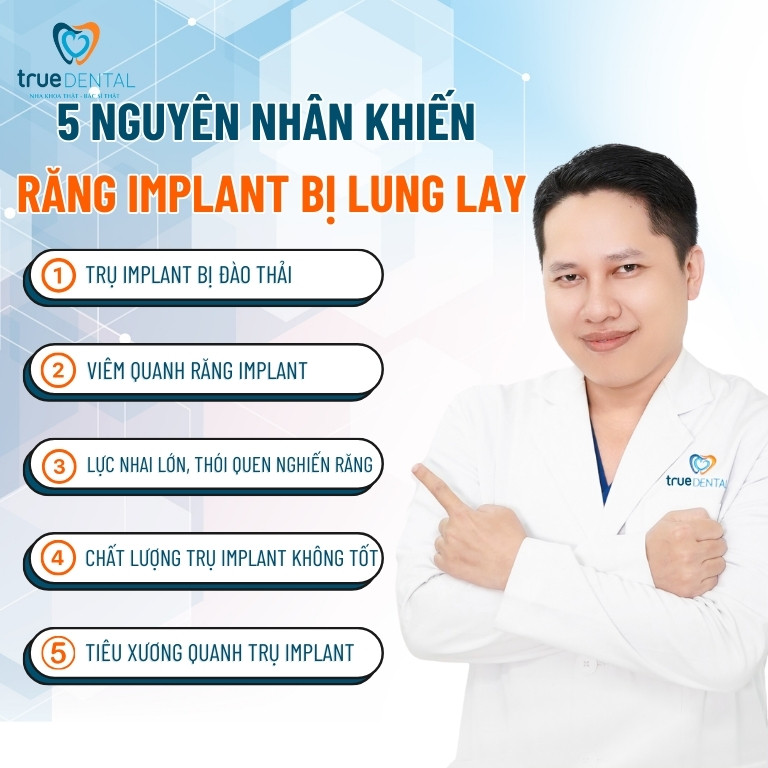
The 5 primary causes of dental implant mobility include:
- Failure of Osseointegration: Structural fusion between the implant fixture and surrounding bone is vital for long-term stability. Compromised host bone density, sub-standard or counterfeit fixtures, improper fixture dimensions, or surgical trajectory errors when placing the implant fixture can prevent osseointegration and result in early fixture mobility.
- Peri-Implantitis: Inflammatory infection surrounding the implant is one of the most common causes of late-stage mobility. Bacterial biofilm accumulation triggers peri-implant mucositis that progresses to destructive peri-implantitis, eroding supporting alveolar bone and destabilizing the fixture.
- Excessive Occlusal Overload or Bruxism: Nocturnal bruxism (teeth grinding) or biting on excessively hard foods generates heavy lateral and axial occlusal forces, particularly detrimental during the early healing phase. Chronic occlusal overload induces micro-motion, crestal bone loss, and prosthetic or fixture loosening.
- Sub-Standard Implant Fixture Quality: Fixtures not fabricated from certified, biocompatible medical-grade Titanium or lacking validated surface micro-texturing carry high risks of fibrous encapsulation and rejection. Non-certified or counterfeit implants pose severe risks to oral and systemic health.
- Progressive Peri-Implant Bone Resorption: Alveolar bone surrounding an implant can resorb following dental implant surgery due to chronic inflammation, poor oral hygiene, or systemic factors. Progressive bone loss diminishes bone-to-implant contact (BIC) area, leading directly to clinical mobility.
Clinical Management of Dental Implant Mobility
If you detect any movement in your dental implant restoration, schedule an immediate examination with an implant specialist. Typically, the clinician performs panoramic X-rays or Cone Beam CT (CBCT) imaging to assess fixture integrity, peri-implant bone levels, and soft tissue health, formulating a targeted treatment protocol based on the underlying etiology.
If mobility is driven by early peri-implant infection without complete loss of osseointegration, the specialist performs mechanical debridement and surface decontamination to eliminate bacterial biofilm and calculus. Targeted local or systemic antibiotics may be prescribed to resolve infection and promote soft tissue reattachment.
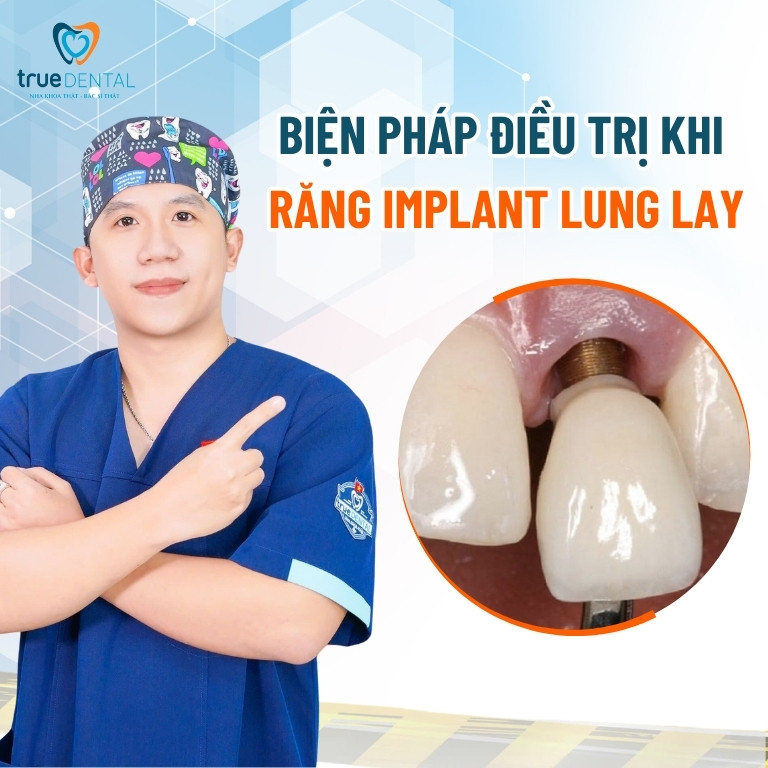
When mobility is associated with localized vertical or horizontal bone defects, guided bone regeneration (bone grafting) may be indicated to rebuild bone volume around the fixture and restore structural support.
In cases where mobility is confined to the prosthetic crown—such as abutment screw loosening or occlusal disharmony—the clinician will re-torque or replace the internal retaining screw and perform occlusal equilibration (or fabricate a new porcelain crown) to ensure balanced force distribution.
Conversely, if clinical examination confirms complete loss of osseointegration (true fixture mobility) or fixture fracture, surgical explantation of the failed fixture is mandatory. Following thorough site debridement and a healing period of 3 to 6 months (often combined with bone augmentation), a new implant fixture can be safely placed.
Preventive Measures to Avoid Dental Implant Mobility
Dental implant mobility is largely preventable through proactive oral care and adherence to clinical protocols. Once osseointegration is achieved, maintaining long-term stability requires diligent home hygiene, routine professional maintenance, and eliminating parafunctional habits.
Below are simple yet highly effective preventive strategies to protect your dental implant from mobility
Choosing a reputable dental clinic with proven surgical expertise is the foundational step in ensuring long-term implant survival.
True Dental delivers high-tech implantology led by certified specialists, guaranteeing the exclusive use of genuine, certified implant systems with verifiable serial tags. This protocol minimizes surgical errors, prevents fixture rejection, and eliminates the risk of post-operative mobility.
Brush at least twice daily using a soft-bristled toothbrush and clean interdental spaces thoroughly with dental floss, interdental brushes, or a water flosser—paying close attention to the peri-implant gingival margin. Incorporate an antimicrobial mouth rinse as recommended to prevent plaque buildup and peri-implantitis.
Schedule professional dental examinations and cleanings every 3 to 6 months so your clinician can evaluate occlusion, check screw torque stability, monitor bone levels, and perform specialized peri-implant maintenance. Early detection prevents minor issues from escalating into severe complications.
Maintain a nutritious diet rich in Calcium and Vitamin D to support systemic bone density and jawbone remodeling around the implant fixture. Limit sugary foods and carbonated beverages to reduce bacterial biofilm proliferation.
Avoid chewing excessively hard or sticky foods (such as ice, hard nuts, or bone) that generate damaging occlusal overload. Additionally, abstain completely from tobacco smoking during the healing phase and beyond, as nicotine impairs microvascular blood flow and significantly increases the risk of implant failure.
Understanding the root causes and clinical management of dental implant mobility empowers patients to protect their restorations and maintain optimal oral health. Always select an accredited dental center to ensure medically standardized surgical execution. For any inquiries regarding dental implant therapy, contact True Dental today via hotline 090 6636 456.

Sức Khỏe Răng Miệng
How long does it take to complete the process of getting dental implants?
Tooth replacement affects far more than just smile...
Sức Khỏe Răng Miệng
How much does it cost to replace a molar? Which method is most effective?
First and second molars—commonly referred to in Vietnamese...
Sức Khỏe Răng Miệng
How much does it cost to replace a single tooth? 2026 Price List
Tooth replacement is an effective restorative solution for...
Sức Khỏe Răng Miệng
Which country are Nobel dental implants from? How much do they cost?
Nobel Biocare dental implants stand out for rapid...
Sức Khỏe Răng Miệng
Straumann Dental Implants: Features, Origin, and Cost
Straumann dental implants are widely chosen by patients...
Sức Khỏe Răng Miệng
What are dental implants? When are dental implants needed?
Tooth loss affects far more than just smile...
Tôi đang tìm 1 Nha Khoa để điều trị cho tôi, nhưng rất lo lắng và sợ gặp phải NHA TẶC hoặc bị chèo kéo.
HÃY GIÚP TÔI TƯ VẤN THẬT
254 Điện Biên Phủ, Xuân Hòa, TP.HCM
HƯỚNG DẪN ĐƯỜNG ĐI