


 Tiếng Việt
 Русский
Why dental implants can be rejected is a major concern for many people considering implant placement. This phenomenon occurs when the implant fixture fails to integrate firmly with the jawbone, causing inflammation, pain, and instability. To protect your oral health, you should thoroughly understand the causes and preventive measures for implant failure right in this article by True Dental.
What Is the Dental Implant Technique?
Dental implant placement is a modern dental technique that replaces missing teeth by inserting Titanium posts directly into the jawbone, serving as artificial tooth roots. After the implant fixture integrates stably with the jawbone, the dentist secures a porcelain crown on top to fully restore chewing function and aesthetics.

The dental implant process is typically performed through several steps: clinical examination, X-rays to assess jawbone condition, treatment planning, implant fixture placement, and crown attachment. This technique not only restores missing teeth but also prevents jawbone resorption, ensuring long-term durability when properly cared for.
Currently, dental implant procedures can be performed using various methods, ranging from traditional flap surgery to GST technology using an AI surgical guide stent. This technology enables precise placement without gum incisions, minimizing pain and swelling while shortening healing time for patients.
What Is Dental Implant Rejection?
Dental implant rejection is a condition where the body fails to accept the implant fixture after it is inserted into the jawbone, resulting in non-integration or the post being pushed out of its original position. Although a rare complication in dental treatment, if it occurs, it can severely impact oral health and treatment outcomes.

Implant rejection typically happens during the healing phase or after a period of use, significantly compromising masticatory function and aesthetics. Understanding this phenomenon allows dentists and patients to initiate timely interventions to safeguard oral health.
Why Can Dental Implants Be Rejected After Surgery?
Why dental implants can be rejected is a primary topic of interest when choosing tooth restoration. The main causes stem from technical factors, material quality, and patient lifestyle habits, specifically:

Technical Errors During Surgery
The dental implant placement procedure requires highly skilled dental specialists supported by advanced equipment. Inaccurate technical execution—such as placing the implant in the wrong position, drilling too deep, or damaging soft tissues—can cause inflammation, prolonged bleeding, and failure of the post to integrate with the jawbone.
Furthermore, lax sterilization protocols increase the risk of peri-implant infection, leading to rejection. Technical missteps may also cause nerve damage and persistent pain, directly compromising overall health and clinical outcomes.
Low-Quality or Unverified Materials
Substandard or unverified implant materials exhibit reduced biocompatibility with bone tissue. Low-quality implant posts are prone to inflammatory reactions, delaying osseointegration and heightening the risk of implant rejection. Choosing genuine, quality-certified implant fixtures is essential to ensuring the long-term success of the restoration.
Pre-existing Dental Conditions
Untreated oral diseases such as gingivitis and periodontitis are common issues that negatively affect implant stability. Pre-existing inflammation around the surgical site hinders osseointegration, easily leading to implant failure. Additionally, systemic conditions like diabetes and immune disorders impair healing, making implants more susceptible to rejection if not well-controlled before and after surgery.
Smoking and Alcohol Consumption
Nicotine in tobacco and alcohol impair blood circulation, impeding the self-healing capacity of tissues around the implant site. Tobacco smoke also elevates the risk of infection and delays wound healing, thereby reducing osseointegration success. Patients who smoke or drink alcohol after surgery face a significantly higher risk of implant rejection compared to non-users.
Allergic Reaction to Implant Materials
Although rare, some patients may experience an allergic reaction or hypersensitivity to Titanium or alloy components in the implant fixture. This reaction induces persistent tissue inflammation, destabilizing the post and leading to rejection if not managed promptly. Such cases should be identified prior to surgery via allergy screening or specialized testing.
Signs of Dental Implant Rejection
Early identification of implant rejection signs is crucial for timely intervention and avoiding severe damage to oral health. The reasons behind implant rejection are closely tied to abnormal post-operative symptoms.

Below are typical warning signs to monitor:
Loose Implant Post
A healthy dental implant must remain firmly anchored in the jawbone. If you feel the implant post wobbling upon contact or while chewing, it indicates poor integration and a high risk of rejection.
When the post becomes loose, patients often notice slight movement during biting or touching, accompanied by dull aching or sharp pain. This is one of the earliest signs of implant failure that requires prompt attention to prevent post loss and preserve oral health.
Exposed Implant Threads at the Gumline
Severe gum recession or inflammation around the implant site can leave the implant threads exposed. This is a critical indicator that the implant has failed to integrate properly and is being rejected.
Exposed post threads allow bacteria to invade easily, causing widespread infection, tissue damage, and bone loss. This condition compromises aesthetics, causes discomfort during meals, and may necessitate implant removal. Early detection of exposed threads enables dentists to intervene before more severe complications arise.
Swelling and Inflammation
Swelling and tissue inflammation around the dental implant site are common reactions when the body rejects the post or when bacterial invasion occurs. Patients may experience pain, redness, warmth, and possibly pus discharge or exudate.
Left untreated, inflammation will spread and trigger bone resorption, loosening the implant and drastically increasing the probability of rejection. Persistent pain combined with swelling demands immediate evaluation to protect oral health and preserve treatment efficacy.
How Is a Rejected Dental Implant Treated?
After understanding why implants can be rejected, timely management becomes essential for protecting oral health and minimizing complications. If you detect signs of implant rejection—such as pain, mobility, or infection—you should consult a dental specialist immediately for examination and a tailored treatment plan.
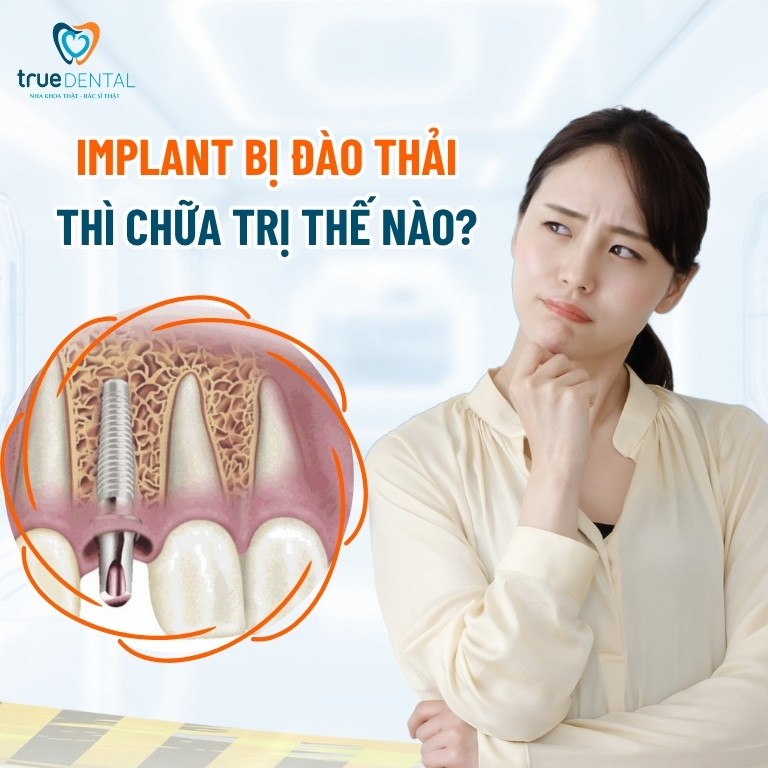
Below is the step-by-step treatment protocol for a rejected dental implant:
- Removal of the rejected implant post: The clinician will carefully remove the failed implant to prevent the spread of infection to surrounding tissues.
- Infection control and bone tissue restoration: If rejection is driven by infection, the dentist cleanses the surgical area, debrides inflamed tissue, and prescribes antibiotics to manage bacterial growth. If jawbone loss or damage has occurred, bone grafting may be required to reconstruct bone architecture prior to re-implantation.
- Re-evaluating jawbone status: Before attempting another placement, the specialist thoroughly evaluates bone density and quality to ensure adequate support for a new fixture. This process typically involves dental X-rays or CT scans for detailed analysis.
- Re-implantation of a new implant (if feasible): Once the former surgical site has fully healed and bone volume is restored, the dentist will consider placing a new implant fixture. To ensure success, high-standard materials must be used, and the procedure must strictly follow clinical guidelines.
- Post-treatment care and follow-up: Proper post-procedure care is crucial to reducing the risk of recurrent rejection. Patients must adhere to oral hygiene instructions, refrain from harmful habits like smoking, and chew cautiously to safeguard the new implant.
How to Prevent Implant Rejection After Surgery
Understanding why implants fail empowers patients to take proactive measures and maximize long-term treatment success. To minimize the risk of implant failure, observe the following preventive guidelines:
- Thoroughly treat pre-existing dental conditions prior to surgery: Resolving issues such as tooth decay, gingivitis, periodontitis, or related diseases ensures a healthy bone environment conducive to osseointegration.
- Choose a reputable dental clinic and experienced specialists: Implant placement demands high clinical skill and modern equipment. Selecting a trusted dental clinic ensures standardized procedures, reducing the risk of infection and operational complications.
- Adhere strictly to post-operative care instructions: Patients must maintain proper oral hygiene, avoid hard impacts on the surgical zone, and attend scheduled follow-ups for early detection of potential anomalies.
- Limit smoking and alcohol intake: Nicotine and alcohol impair blood perfusion, delay healing, and elevate rejection risk. Ceasing or strictly avoiding smoking and drinking during recovery is highly recommended.
- Effectively manage systemic health conditions: Patients with diabetes or chronic illnesses should maintain stable health parameters post-op to reduce infection risks and support proper osseointegration.
- Opt for modern techniques and technologies: Priority should be given to advanced procedures such as flapless GST implant placement under strict sterile conditions, which minimizes tissue trauma, accelerates healing, and prevents fixture failure.
READ MORE:
Understanding why dental implants can be rejected enables patients to prevent complications and spot warning signs early following surgery. Causes of rejection generally stem from surgical technique, material quality, systemic health, and personal habits. If any abnormalities arise, promptly schedule a clinical evaluation so your dentist can assess and manage the situation to safeguard your long-term restoration results.

Sức Khỏe Răng Miệng
How long does it take to complete the process of getting dental implants?
Tooth replacement affects far more than just smile...
Sức Khỏe Răng Miệng
How much does it cost to replace a molar? Which method is most effective?
First and second molars—commonly referred to in Vietnamese...
Sức Khỏe Răng Miệng
How much does it cost to replace a single tooth? 2026 Price List
Tooth replacement is an effective restorative solution for...
Sức Khỏe Răng Miệng
Which country are Nobel dental implants from? How much do they cost?
Nobel Biocare dental implants stand out for rapid...
Sức Khỏe Răng Miệng
Straumann Dental Implants: Features, Origin, and Cost
Straumann dental implants are widely chosen by patients...
Sức Khỏe Răng Miệng
What are dental implants? When are dental implants needed?
Tooth loss affects far more than just smile...
Tôi đang tìm 1 Nha Khoa để điều trị cho tôi, nhưng rất lo lắng và sợ gặp phải NHA TẶC hoặc bị chèo kéo.
HÃY GIÚP TÔI TƯ VẤN THẬT
254 Điện Biên Phủ, Xuân Hòa, TP.HCM
HƯỚNG DẪN ĐƯỜNG ĐI