

 Tiếng Việt
 Русский
Understanding the potential risks associated with dental implant surgery helps you prepare thoroughly and prevent avoidable complications. Explore this comprehensive clinical guide from True Dental to learn about possible implant complications and evidence-based preventive protocols to safeguard your treatment outcome.
Potential Risks and Complications of Dental Implant Surgery
Dental implant placement is a widely trusted restorative modality renowned for restoring natural masticatory function and smile aesthetics. However, certain risks of dental implant surgery may arise if surgical protocols or post-operative care are compromised. Recognizing these clinical risks enables informed decision-making for safe, predictable outcomes:
Implant Fixture Failure (Non-Osseointegration)
In rare instances, biological osseointegration fails to establish between the host bone and the implant fixture, resulting in early or late implant failure. Common etiologies include compromised systemic healing, surgical overheating or micromotion, and inadequate post-operative hygiene—preventing rigid bone-to-implant anchorage.
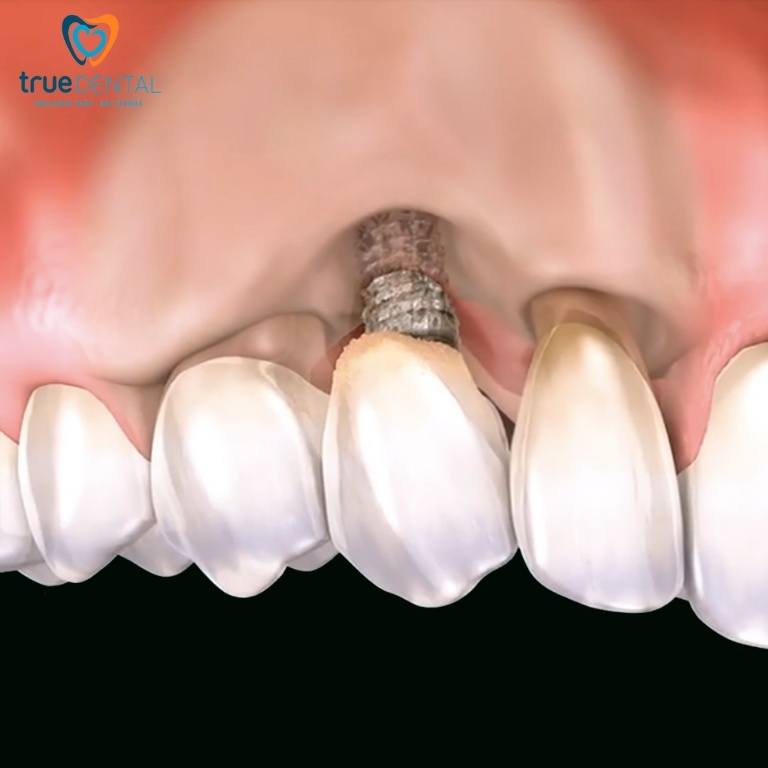
Surgical Site Infection
Localized bacterial infection is one of the primary post-surgical complications. It typically stems from lapses in intraoperative asepsis or poor post-operative oral hygiene. Clinical signs include erythema, localized edema, throbbing pain, purulent discharge, and fever in advanced cases.
Peri-Implant Soft Tissue Trauma
Surrounding gingival and mucosal tissues may experience trauma during or after surgery due to improper 3D fixture positioning, excessive flap tension, or premature masticatory loading—leading to persistent soreness, swelling, and delayed soft tissue healing.
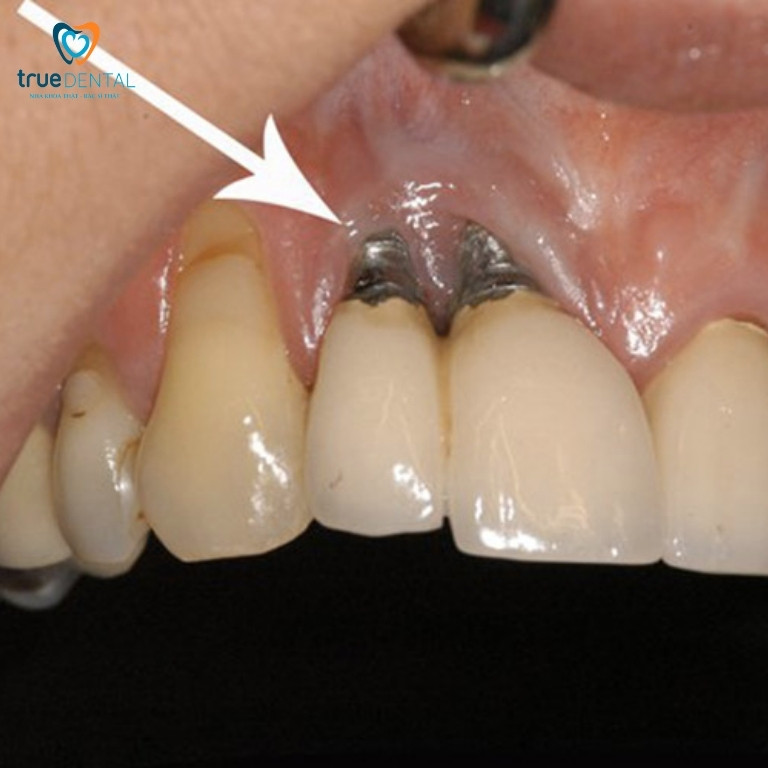
Continuous Post-Operative Bleeding
Mild oozing during the first 24 to 48 hours is a normal physiological response. However, persistent or brisk hemorrhage that fails to subside with firm gauze pressure may indicate vascular trauma or underlying coagulation disorders, requiring prompt clinical hemostatic management.
Maxillary Sinusitis (Upper Jaw)
When a posterior maxillary implant is placed at an excessive vertical depth without adequate subantral bone height, it can perforate the Schneiderian membrane and protrude into the maxillary sinus—triggering acute or chronic maxillary sinusitis, nasal congestion, and midfacial pressure. Preoperative 3D CBCT mapping is essential to prevent sinus perforation.
Peri-Implant Crestal Bone Loss
Alveolar bone resorption around an integrated fixture compromises mechanical stability and can lead to implant mobility. Primary causes include untreated peri-implantitis, occlusal overload, and inadequate plaque control.
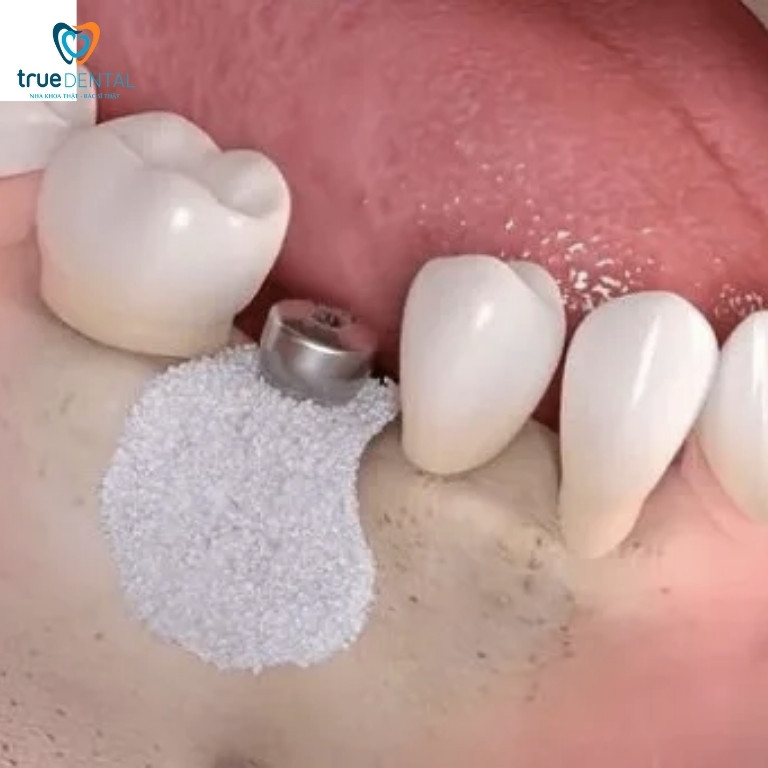
Implant Fixture or Prosthetic Component Fracture
Although endosseous implants are engineered from high-strength medical-grade titanium, substandard manufacturing or extreme parafunctional forces (such as severe bruxism or trauma) can cause fixture or abutment screw fracture. Selecting an accredited dental implant center using certified implant systems minimizes mechanical failure risks.
Soft Tissue Necrosis
Soft tissue necrosis is a rare but serious complication requiring immediate clinical intervention. When microvascular perfusion to the mucoperiosteal flap is compromised—often due to excessive suture tension or heavy smoking—ischemic tissue breakdown and secondary infection can occur.
Other Potential Risks (Halitosis, Material Hypersensitivity, Nerve Injury)
Additional clinical complications that may arise include:
- Halitosis (Chronic Bad Breath): Typically caused by bacterial biofilm accumulation around prosthetic margins or localized peri-implant inflammation.
- Metal Hypersensitivity: Rare allergic sensitivity to trace elements in titanium alloys.
- Neurosensory Nerve Injury: Impingement or proximity to the inferior alveolar or mental nerve can cause paresthesia (numbness, tingling, or altered sensation) in the lower lip, chin, or gingiva.
Who Is at Higher Risk for Post-Implant Complications?
While dental implant therapy has a high overall success rate, certain patient profiles carry elevated surgical and biological risk factors due to systemic health conditions or lifestyle habits.
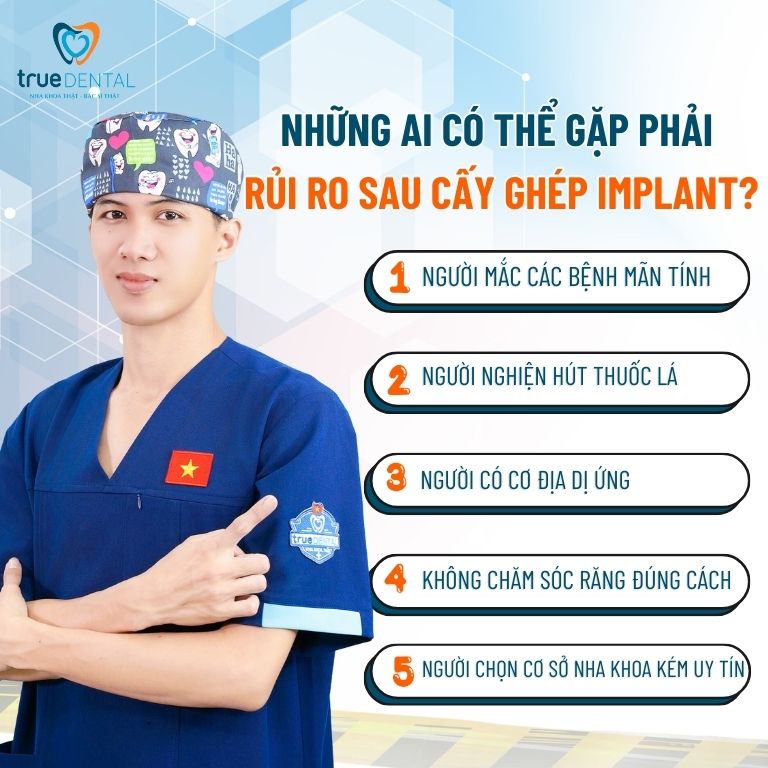
Patient groups requiring heightened clinical precautions include:
- Patients with Uncontrolled Chronic Systemic Diseases
Individuals with poorly controlled diabetes mellitus, cardiovascular disease, severe osteoporosis, or autoimmune disorders face impaired angiogenesis and bone remodeling, delaying wound healing and increasing osseointegration failure risks.
- Heavy Tobacco Smokers
Smoking is a leading modifiable risk factor for implant failure. Nicotine induces vasoconstriction, reducing gingival blood flow, impairing osteoblast activity, and significantly elevating peri-implantitis rates.
- Individuals with Known Metal Allergies
Hypersensitivity to titanium alloys—though uncommon—can trigger chronic inflammatory tissue responses and fixture rejection if not screened beforehand.
- Patients Non-Compliant with Post-Operative Care
Neglecting daily oral hygiene or skipping scheduled maintenance visits increases susceptibility to peri-implant mucositis, crestal bone loss, and prosthetic complications.
- Patients Treated at Unaccredited Dental Facilities
Undergoing implant surgery at clinics lacking specialized surgical expertise, 3D CBCT diagnostics, or strict sterilization protocols dramatically elevates the risk of surgical trauma and infection.
Overall, post-implant complications predominantly affect individuals with unmanaged systemic conditions, smoking habits, or substandard surgical care. If you fall into any of these categories, consult an implant specialist for a comprehensive preoperative risk assessment.
How to Prevent Complications After Dental Implant Surgery
Proactive preventive care is essential to ensure predictable osseointegration and lifelong implant stability.
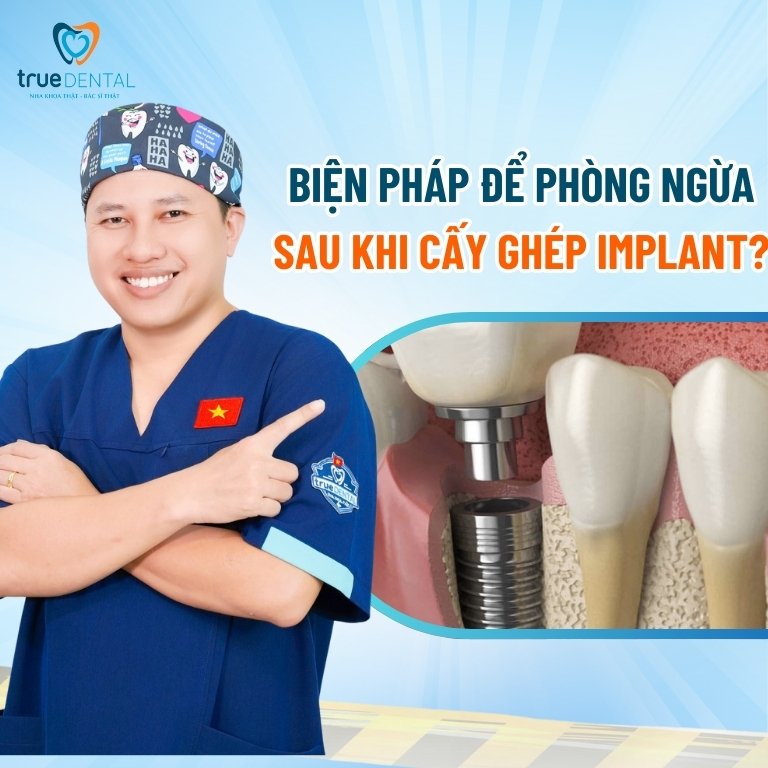
Follow these evidence-based guidelines to minimize post-operative risks:
- Choose an Accredited Dental Implant Center: Ensure your procedure is performed by experienced implantologists in a facility equipped with 3D CBCT imaging and international sterilization protocols.
- Follow All Post-Operative Prescriptions and Instructions: Take prescribed antibiotics and analgesics strictly as directed and avoid mechanical disturbance to the surgical site.
- Practice Gentle, Proper Oral Hygiene: Brush gently with an extra-soft-bristled toothbrush, use prescribed antimicrobial rinses, and avoid sharp toothpicks near the surgical wound.
- Maintain a Soft, Healing-Supportive Diet: Consume soft, lukewarm foods such as soups and porridge during the first week, avoiding direct chewing or hot, hard foods over the implant site.
- Eliminate Harmful Habits: Abstain from smoking and alcohol during healing, and wear a custom occlusal nightguard if you suffer from bruxism (teeth grinding).
- Attend Regular Follow-Up Appointments: Routine clinical and radiographic evaluations allow early detection and management of any peri-implant changes.
READ MORE:
While dental implant therapy delivers unmatched restorative benefits, adhering to evidence-based surgical and aftercare protocols is essential to prevent complications. Choosing experienced clinicians and an accredited, modern dental clinic ensures safe, predictable outcomes.
If you have questions about potential risks or wish to receive a personalized clinical evaluation, contact True Dental today for a complimentary consultation with our implant specialists!

Sức Khỏe Răng Miệng
How long does it take to complete the process of getting dental implants?
Tooth replacement affects far more than just smile...
Sức Khỏe Răng Miệng
How much does it cost to replace a molar? Which method is most effective?
First and second molars—commonly referred to in Vietnamese...
Sức Khỏe Răng Miệng
How much does it cost to replace a single tooth? 2026 Price List
Tooth replacement is an effective restorative solution for...
Sức Khỏe Răng Miệng
Which country are Nobel dental implants from? How much do they cost?
Nobel Biocare dental implants stand out for rapid...
Sức Khỏe Răng Miệng
Straumann Dental Implants: Features, Origin, and Cost
Straumann dental implants are widely chosen by patients...
Sức Khỏe Răng Miệng
What are dental implants? When are dental implants needed?
Tooth loss affects far more than just smile...
Tôi đang tìm 1 Nha Khoa để điều trị cho tôi, nhưng rất lo lắng và sợ gặp phải NHA TẶC hoặc bị chèo kéo.
HÃY GIÚP TÔI TƯ VẤN THẬT
254 Điện Biên Phủ, Xuân Hòa, TP.HCM
HƯỚNG DẪN ĐƯỜNG ĐI