

 Tiếng Việt
 Русский
Today’s dental implant options span a wide range of systems—from American and Swiss to South Korean fixtures—offering tailored solutions for effective tooth replacement. How many types of dental implants exist, and which system best suits your clinical needs? Explore this complete guide from True Dental.
What Is Dental Implant Placement?
Dental implant placement is a restorative procedure that replaces missing tooth roots with biocompatible titanium fixtures surgically anchored into the jawbone. Once biological osseointegration is complete (typically within 3 to 6 months), a custom porcelain crown is secured onto the fixture via a prosthetic abutment—restoring natural masticatory efficiency, aesthetics, and alveolar bone preservation.

Dental implants offer exceptional durability, biocompatibility, and lifelike function. With proper oral hygiene, they prevent alveolar bone resorption, keep adjacent teeth from drifting, eliminate the need to grind down healthy neighboring teeth, and protect gingival and pulpal tissues from excessive occlusal stress.
How Many Categories of Dental Implant Fixtures Exist?
In contemporary implantology, dental implant fixtures are commonly categorized by country of manufacture. Each origin offers distinct thread macro-designs, surface micro-topographies, and price points tailored to different bone densities and patient budgets.
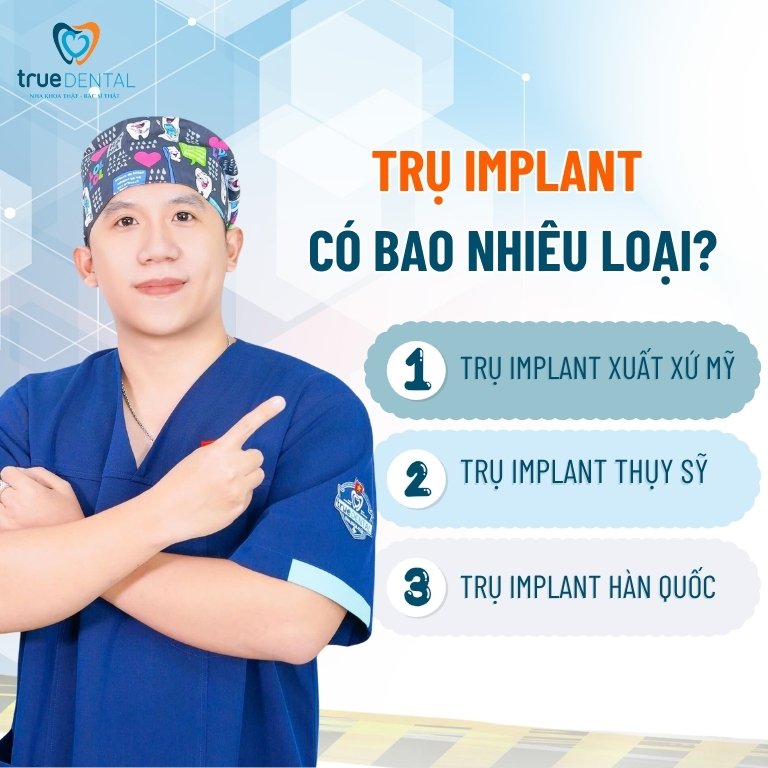
Below are the three primary implant origin categories widely used today:
American Dental Implants
American implant systems are recognized for precision CNC machining, medical-grade commercially pure titanium, and aggressive thread geometry. Leading brands such as Hiossen and Nobel Biocare deliver high primary stability and rapid osseointegration, shortening overall recovery timelines.
American fixtures perform reliably across most bone profiles, including challenging cases with ridge resorption or immediate post-extraction placement. While positioned in a higher price tier, they represent a dependable long-term investment in oral health.
Swiss Dental Implants
Swiss systems such as Straumann and Swiss are renowned for advanced surface engineering—particularly Straumann’s hydrophilic SLActive surface, which accelerates osseointegration to just 6 to 8 weeks (and as fast as 3 to 4 weeks in optimal bone). Precision Swiss manufacturing yields near-100% survival rates, especially in full-arch rehabilitations and long-standing edentulism.
Positioned in the premium tier, Swiss implants are ideal for patients prioritizing rapid healing, immediate loading protocols, and lifelong clinical predictability.
South Korean Dental Implants
South Korean fixtures have gained global popularity for combining accessible pricing with dependable clinical performance. Established systems such as Osstem, MegaGen, and Biotem are manufactured to strict international standards utilizing SA (Sandblasted with Alumina and Acid-etched) or SLA surface treatments to enhance bone-to-implant contact.
Although osseointegration timelines may be slightly longer than ultra-premium Swiss fixtures, South Korean implants offer outstanding value for single-tooth or multi-unit restorations on a moderate budget.
7 Most Popular Dental Implant Systems Today
Depending on alveolar bone density, edentulous site location, and financial goals, your implantologist will recommend the optimal fixture system from globally trusted brands used at accredited dental clinics:
Straumann (Switzerland)
Straumann is a global leader in implant dentistry, celebrated for its chemically modified hydrophilic SLActive surface technology that reduces osseointegration time to just 3 to 6 weeks.
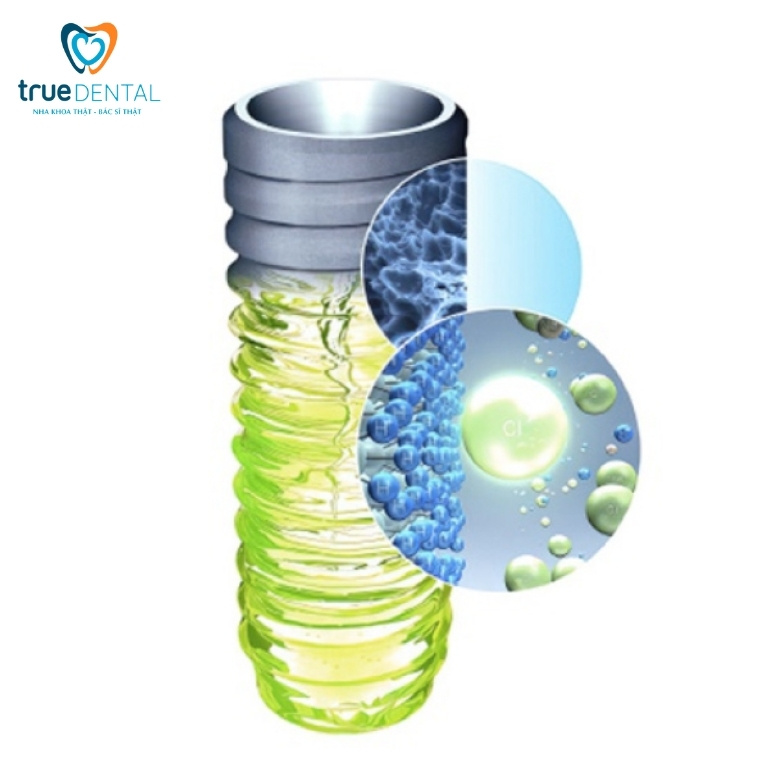
Straumann implants are crafted from Roxolid—a high-strength titanium-zirconium alloy offering superior mechanical strength and biocompatibility—making them ideal for narrow ridges, full-arch restorations, and patients with systemic conditions such as controlled diabetes.
Nobel Active (USA / Sweden)
Nobel Active is engineered with an expanding tapered body and unique reverse-cutting flutes that condense bone during insertion, achieving exceptional primary mechanical stability immediately upon placement.
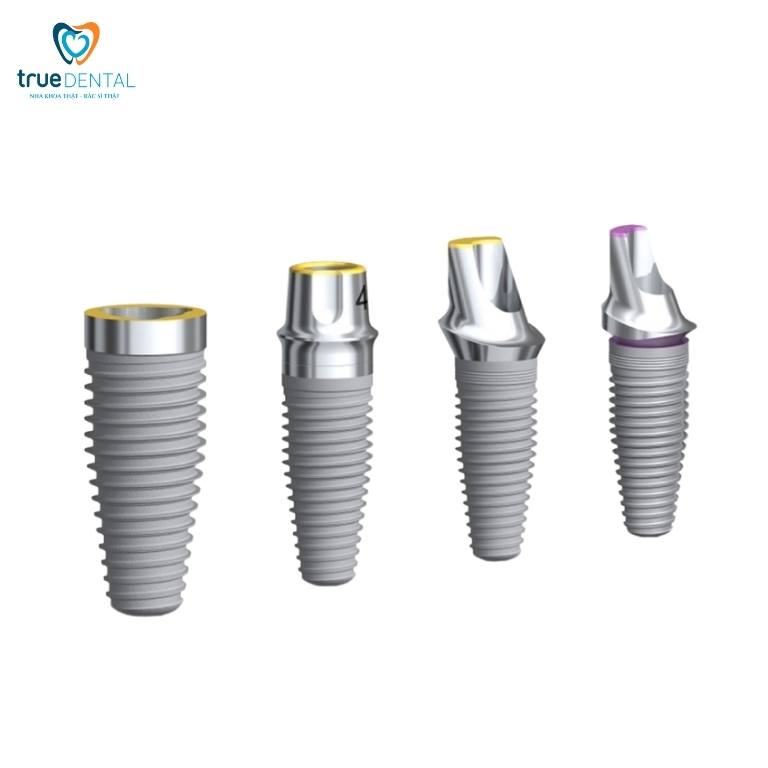
Its anodized TiUnite surface accelerates osteoconduction and bone apposition, making Nobel Active a top choice for low-density trabecular bone, immediate extraction sockets, aesthetic anterior zones, and All-on-4 protocols.
Swiss Implant (Switzerland)
Developed under the Straumann Group portfolio, Swiss Implants deliver Swiss precision engineering and reliable osseointegration at a more accessible price point.
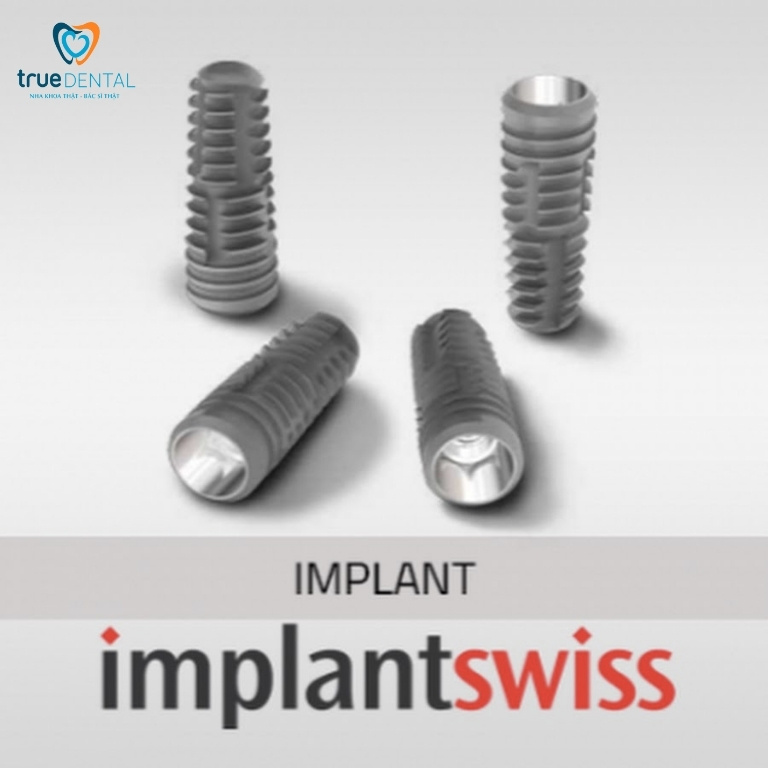
Featuring a proven SLA micro-roughened surface, Swiss Implants achieve stable osseointegration within 6 to 8 weeks, making them well-suited for single-tooth restorations and multi-unit implant bridges.
MegaGen AR / AnyRidge (South Korea)
MegaGen is a premier South Korean implant brand featuring calcium-ion incorporated XPEED surface technology to accelerate early bone healing. Its progressive knife-thread design and tapered core allow high primary stability even in narrow ridges, offering reliable durability and strong value for patients in Vietnam.
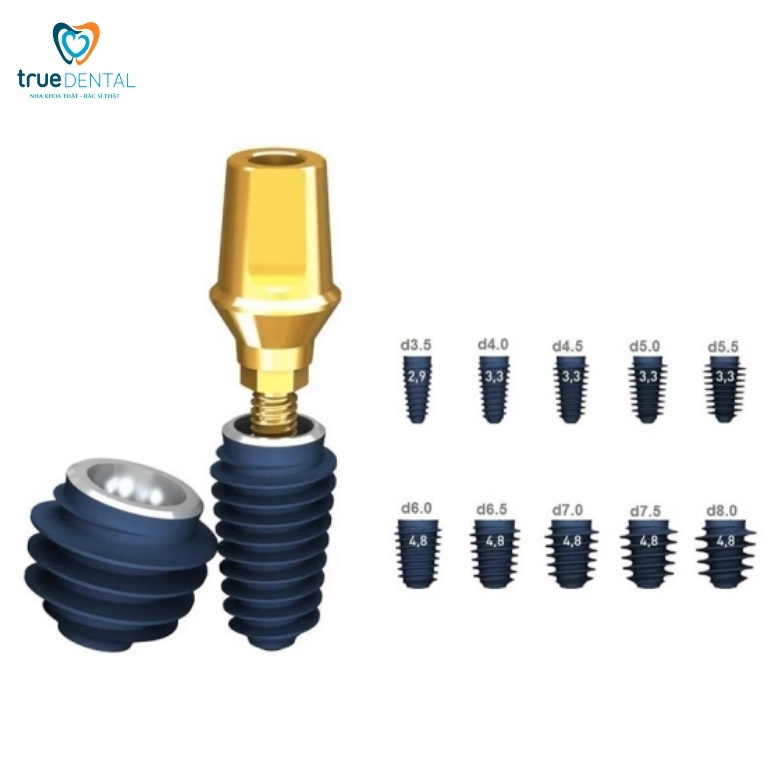
Hiossen (USA)
Hiossen implants, manufactured in the United States, feature a tapered body design and SA surface treatment that promote rapid osseointegration and balanced occlusal load distribution. They perform reliably across single, multiple, and aesthetic restorations for patients seeking proven stability at a mid-range investment.

Osstem (South Korea)
Osstem implants are among the most widely placed fixtures across Asia due to their consistent clinical stability, accessible cost, and SLA surface treatment that enhances cellular attachment. They are particularly popular for single-tooth replacements in middle-aged and older adults.

Biotem (South Korea)
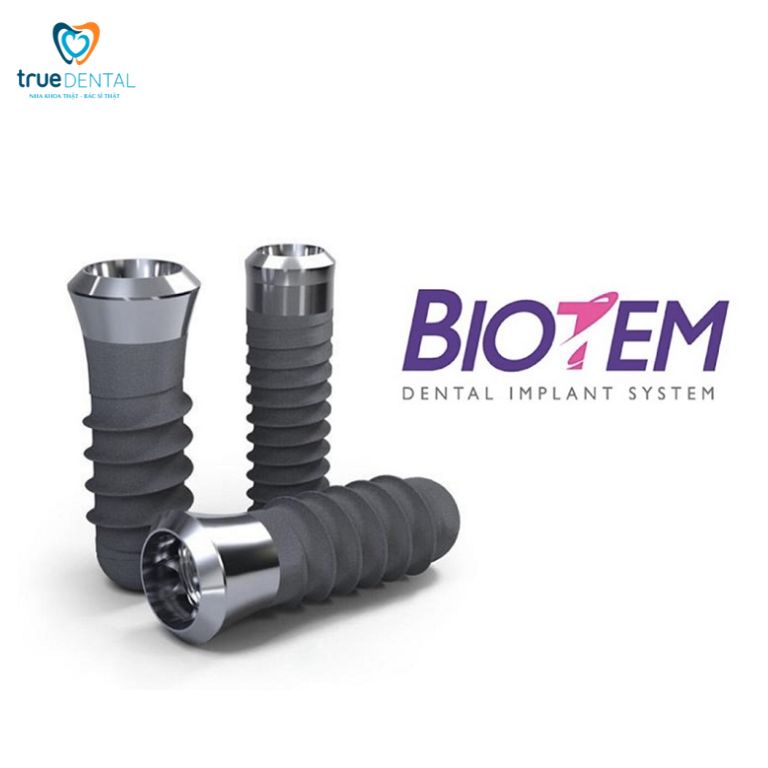
Biotem implants feature deep macro-threads for secure mechanical engagement in alveolar bone and an internationally certified surface treatment that supports predictable osseointegration—providing a safe, budget-conscious restorative option.
Full-Arch Dental Implant Protocols
For patients missing all teeth in the maxillary, mandibular, or both arches, full-arch implant protocols eliminate the need to place an individual fixture for every missing tooth. Modern concepts such as All-on-4 and All-on-6 restore a complete, fixed dental arch efficiently and economically.
All-on-4 Dental Implant Restoration
The All-on-4 protocol anchors a full-arch fixed bridge on four implants: two vertical anterior fixtures and two posterior fixtures tilted at 30 to 45 degrees to engage dense anterior bone while avoiding the maxillary sinuses or inferior alveolar nerve—often eliminating bone grafting. A fixed provisional prosthesis can typically be delivered within 24 to 48 hours.

All-on-4 dental implant placement is ideal for completely edentulous patients with preserved anterior bone volume, offering faster recovery, reduced surgical discomfort, and lower overall cost than All-on-6.
All-on-6 Dental Implant Restoration
All-on-6 places six implants evenly along the edentulous arch to maximize biomechanical load distribution and prosthetic rigidity. It is especially advantageous for patients with lower maxillary bone density or stronger masticatory forces.
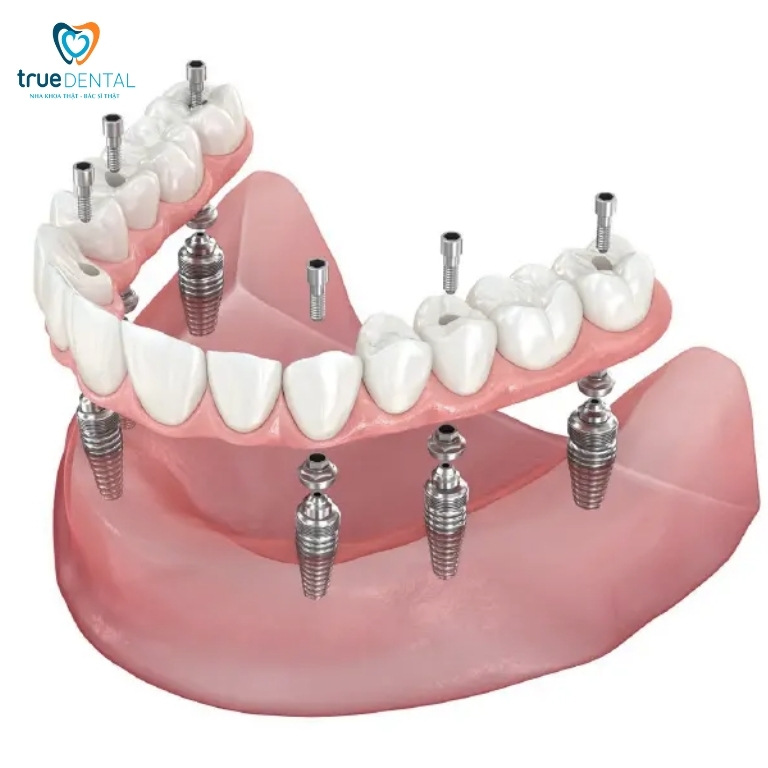
All-on-6 dental implant placement suits candidates with moderate-to-good bone volume who desire maximum prosthetic stability and long-term durability, though it entails a higher initial investment.
Both All-on-4 and All-on-6 represent gold-standard full-arch rehabilitations. A comprehensive 3D CBCT examination with an implant specialist will determine which protocol best matches your anatomy.
Essential Pre-, Intra-, and Post-Operative Care Guidelines
Alongside choosing the right implant system, following evidence-based clinical instructions before, during, and after surgery ensures complication-free healing and long-term implant survival:
Follow these key guidelines throughout your implant journey:
Before Dental Implant Surgery
- Undergo Comprehensive 3D Diagnostics: Complete 3D Cone Beam CT imaging, periodontal evaluation, and systemic health screening (especially for diabetes or cardiovascular conditions).
- Select the Appropriate Implant System: Choose a certified fixture matched to your bone density, site location, and budget.
- Abstain from Tobacco and Alcohol: Stop smoking and avoid alcohol for at least 1 to 2 weeks before surgery to preserve microvascular healing and osseointegration.
- Treat Active Oral Disease First: Resolve gingivitis, periodontitis, dental caries, and calculus buildup prior to implant placement.
During Dental Implant Surgery
- Follow Your Clinician’s Guidance: Remain calm and relaxed during local anesthesia and fixture placement.
- Fast for 2 Hours If Indicated: Avoid eating for 2 hours beforehand if conscious sedation is planned to prevent nausea.
After Dental Implant Surgery
- Bite firmly on sterile gauze for 1 to 2 hours post-operatively to establish stable hemostasis.
- Apply external cold compresses intermittently during the first 24 hours and rest quietly without strenuous exertion.
- Follow a cool, soft diet for the first 3 to 5 days, avoiding hot, hard, crunchy, or spicy foods.
- Avoid vigorous rinsing, spitting, or drinking through a straw to protect the surgical blood clot.
- Clean gently with an extra-soft toothbrush and rinse softly with sterile saline or prescribed chlorhexidine mouthwash.
- Complete all prescribed medications and attend scheduled follow-up visits to monitor healing and osseointegration.
Where to Find a Safe, Accredited Dental Implant Clinic in HCMC
Ranked among the most trusted dental implant clinics in Ho Chi Minh City, True Dental has successfully completed over 3,000 implant restorations, earning consistently high patient satisfaction across restorative, aesthetic, and implant dentistry.
At True Dental, implant surgery utilizes GST (Guided Surgery Technology)—integrating AI-assisted surgical templates with 3D Cone Beam CT diagnostics to control exact 3D fixture position and angulation. This minimally invasive approach preserves vital anatomical structures, minimizes pain and bleeding, and accelerates post-operative recovery.
True Dental’s clinical team consists exclusively of licensed doctors graduated from the University of Medicine and Pharmacy at Ho Chi Minh City with extensive postgraduate implantology experience and full credential transparency. Furthermore, True Dental guarantees 100% authentic, sealed implant systems from leading global brands including Osstem, Straumann, and Nobel Biocare.
Our facilities feature dedicated hospital-grade sterile operating suites, 3D CBCT scanners, intraoral 3D scanners, continuous vital-sign patient monitors, and Platelet-Rich Plasma (PRP) growth-factor therapy to accelerate osseointegration.
READ MORE:
We hope this overview from True Dental has clarified the main types of dental implants available today and how to choose the ideal system for your clinical needs. If you are still unsure which implant option is right for you, contact True Dental today to schedule a complimentary 3D examination and specialist consultation!

Sức Khỏe Răng Miệng
How long does it take to complete the process of getting dental implants?
Tooth replacement affects far more than just smile...
Sức Khỏe Răng Miệng
How much does it cost to replace a molar? Which method is most effective?
First and second molars—commonly referred to in Vietnamese...
Sức Khỏe Răng Miệng
How much does it cost to replace a single tooth? 2026 Price List
Tooth replacement is an effective restorative solution for...
Sức Khỏe Răng Miệng
Which country are Nobel dental implants from? How much do they cost?
Nobel Biocare dental implants stand out for rapid...
Sức Khỏe Răng Miệng
Straumann Dental Implants: Features, Origin, and Cost
Straumann dental implants are widely chosen by patients...
Sức Khỏe Răng Miệng
What are dental implants? When are dental implants needed?
Tooth loss affects far more than just smile...
Tôi đang tìm 1 Nha Khoa để điều trị cho tôi, nhưng rất lo lắng và sợ gặp phải NHA TẶC hoặc bị chèo kéo.
HÃY GIÚP TÔI TƯ VẤN THẬT
254 Điện Biên Phủ, Xuân Hòa, TP.HCM
HƯỚNG DẪN ĐƯỜNG ĐI