


 Tiếng Việt
 Русский
Why choose dental implant placement? This is a primary question for patients facing tooth loss. Dental implants not only restore natural masticatory efficiency, but also preserve facial aesthetics and prevent alveolar bone resorption. If you are seeking an effective, long-lasting tooth replacement solution, endosseous implant therapy is the ideal clinical choice.
What Is a Dental Implant Fixture?
Understanding the anatomy of an implant fixture is the essential first step in answering the question, “Why choose dental implant placement?” An implant fixture is a biocompatible artificial tooth root surgically anchored into the jawbone to replace a missing natural root. Fabricated primarily from commercially pure, medical-grade Titanium, the tapered screw-shaped fixture features a precision micro-textured surface engineered to accelerate biological osseointegration.
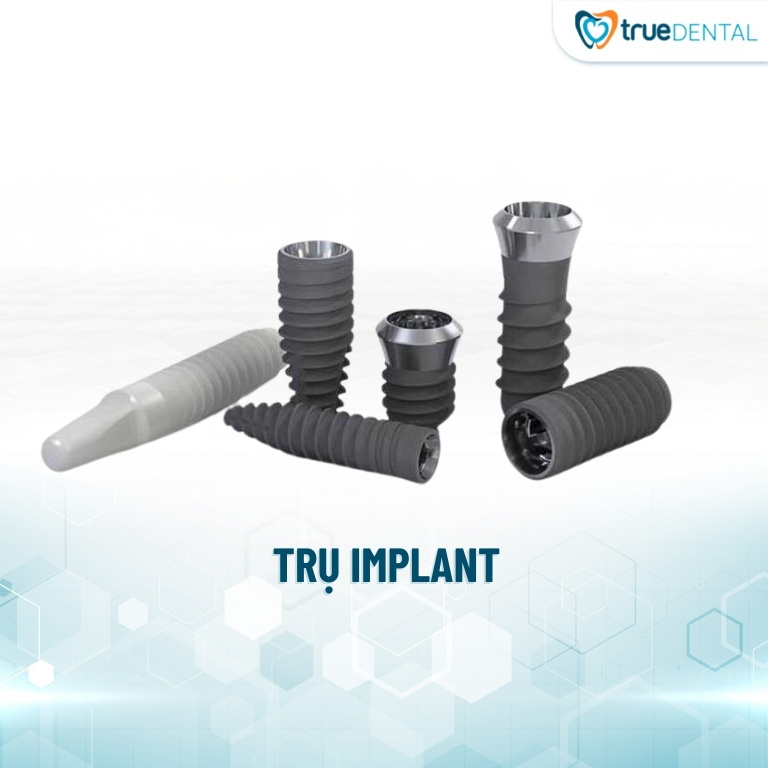
Following surgical placement, the implant fixture fuses directly with living bone, forming a rigid foundation to support a custom porcelain crown. Beyond restoring chewing function, this direct bone anchorage prevents progressive alveolar bone atrophy—a common consequence of untreated edentulism.
Why Choose Dental Implant Placement?
Dental implant therapy represents the gold standard in contemporary prosthodontics, offering substantial biological and biomechanical advantages over conventional restorations. Below are the 5 key clinical reasons to choose dental implants:

Prevents Alveolar Bone Resorption
Following tooth extraction or loss, the supporting alveolar ridge no longer receives physiological mechanical stimulation, triggering gradual bone resorption. Left untreated, bone loss compromises ridge volume and weakens adjacent teeth.
Dental implant placement transmits functional occlusal forces directly into the jawbone, preserving bone mineral density and maintaining lower facial architecture. This long-term bone preservation is one of the foremost dental reasons for choosing implant therapy.
Restores Natural Masticatory Efficiency
A defining benefit of dental implants is the restoration of natural bite force. Osseointegrated implants bear occlusal loads equivalent to natural dentition, enabling you to enjoy diverse foods comfortably without the slippage, mucosal irritation, or reduced taste perception associated with removable dentures.
Delivers Lifelike, Natural Aesthetics
Implant-supported ceramic crowns are custom-crafted to replicate the shade, translucency, and anatomical emergence profile of natural teeth. This seamless integration restores a harmonious, confident smile without visible clasps or artificial gum flanges.
Prevents Shifting and Damage to Adjacent Teeth
Unlike conventional fixed dental bridges—which require irreversible enamel reduction of neighboring abutment teeth—an implant fixture stands independently. Preserving intact adjacent teeth maintains overall arch stability and prevents drifting, supra-eruption, or malocclusion.
Preserves Clear Phonetics and Speech
Missing teeth—particularly in the anterior arch—can disrupt airflow and tongue placement, causing slurred speech or lisping. Fixed implant restorations maintain natural palatal and arch contours, ensuring clear, confident pronunciation without denture movement.
Dental Implants vs. Conventional Tooth Replacement Options
The three primary modalities for replacing missing teeth are dental implants, fixed dental bridges, and removable dentures. Each differs significantly in biomechanics, longevity, tissue preservation, and cost. Below, True Dental compares these options across key clinical parameters:
Dental Implants vs. Fixed Dental Bridges
While both provide fixed tooth replacement, they differ fundamentally in structural support, durability, and tooth conservation:
| Dental Implant Placement | Fixed Dental Bridge | |
| Clinical Technique | Anchors a Titanium fixture directly into the jawbone as an artificial root | Prepares adjacent teeth to support a connected pontic span |
| Tooth Conservation | Zero preparation of adjacent teeth; prevents tooth drifting | Requires irreversible enamel reduction of 2 neighboring teeth |
| Longevity | 10–20+ years; potentially lifelong with proper oral care | 5–7 years on average, depending on ceramic material and hygiene |
| Masticatory Function | Near-natural bite force and load distribution | Good, though hard or sticky foods require caution |
| Cost-Effectiveness | Higher initial investment, superior long-term value | Lower upfront cost, but requires periodic replacement |
| Treatment Timeline | 1–3 months depending on bone quality and surface technology | Completed within 5–7 days |
| Prevents Bone Resorption | Yes | No (bone beneath the pontic continues to resorb) |
Dental Implants vs. Removable Dentures
Both modalities restore missing teeth, yet they differ substantially in stability, comfort, aesthetics, and long-term oral health impact:
| Dental Implant Placement | Removable Denture | |
| Prosthetic Design | Endosseous implant fixture anchored in bone with a fixed crown | Acrylic or metal-framework prosthesis resting on oral mucosa |
| Stability | Permanently fixed with zero micromovement | Prone to shifting or loosening during chewing and speech |
| Masticatory Efficiency | Comparable to natural dentition | Reduced bite force; requires dietary restrictions |
| Aesthetics | Highly natural; indistinguishable from adjacent teeth | Visible clasps or acrylic base may appear artificial |
| Lifespan | 20+ years to lifelong with proper maintenance | 3–5 years (requires relining or remaking as bone resorbs) |
| Prevents Bone Resorption | Yes | No (mucosal pressure can accelerate ridge atrophy) |
| Cost | Higher initial investment | Lowest upfront cost among restorative options |
Are Dental Implants Truly Worth It?
Dental implant therapy is widely recognized as the premier solution for restoring missing teeth—yet many patients still ask whether implants are genuinely worthwhile and why they remain the preferred clinical recommendation.

Simply put, implants preserve alveolar bone stability, preventing long-term complications of edentulism such as sunken cheeks and premature facial aging. Combined with lifelike aesthetics and clear speech restoration, dental implants provide an unmatched, durable foundation for oral health.
6 Exclusive Advantages of Dental Implant Placement
Dental implant restoration delivers six distinct clinical and lifestyle benefits unmatched by traditional prostheses:
- Restores Natural Bite Force: Enjoy your favorite meals comfortably with chewing stability nearly identical to natural teeth.
- Delivers Seamless Natural Aesthetics: Custom porcelain crowns match surrounding teeth in shade and contour for a radiant, confident smile.
- Protects Adjacent Teeth from Shifting: Filling the edentulous space prevents neighboring teeth from tilting or drifting into the gap.
- Prevents Sunken Cheeks and Premature Facial Aging: Maintaining jawbone volume supports facial soft tissues and preserves youthful contours.
- Exceptional Longevity — Built to Last a Lifetime: With proper oral hygiene and routine dental checkups, titanium fixtures can last decades or a lifetime.
- Restores Daily Confidence: Natural function, comfort, and aesthetics empower you to speak, laugh, and socialize effortlessly.
READ MORE:
In summary, the answer to “Why choose dental implant placement?” lies in its ability to provide a permanent, biocompatible, and natural-feeling replacement for missing teeth—elevating both oral health and quality of life. Contact True Dental today to schedule a personalized consultation with Dr. That and our specialist implantology team.

Sức Khỏe Răng Miệng
How long does it take to complete the process of getting dental implants?
Tooth replacement affects far more than just smile...
Sức Khỏe Răng Miệng
How much does it cost to replace a molar? Which method is most effective?
First and second molars—commonly referred to in Vietnamese...
Sức Khỏe Răng Miệng
How much does it cost to replace a single tooth? 2026 Price List
Tooth replacement is an effective restorative solution for...
Sức Khỏe Răng Miệng
Which country are Nobel dental implants from? How much do they cost?
Nobel Biocare dental implants stand out for rapid...
Sức Khỏe Răng Miệng
Straumann Dental Implants: Features, Origin, and Cost
Straumann dental implants are widely chosen by patients...
Sức Khỏe Răng Miệng
What are dental implants? When are dental implants needed?
Tooth loss affects far more than just smile...
Tôi đang tìm 1 Nha Khoa để điều trị cho tôi, nhưng rất lo lắng và sợ gặp phải NHA TẶC hoặc bị chèo kéo.
HÃY GIÚP TÔI TƯ VẤN THẬT
254 Điện Biên Phủ, Xuân Hòa, TP.HCM
HƯỚNG DẪN ĐƯỜNG ĐI